Choosing a Technical Partner for a Saudi Startup
Choosing a Technical Partner for a Saudi Startup
A startup's technical partner is judged by their ability to say no: deferring features that do not test the core assumption.
In short: A startup's technical partner is judged by their ability to say no: deferring features that do not test the core assumption. A partner who builds whatever is asked burns your runway on a product nobody has asked for yet.
What is Choosing a Technical Partner for a Saudi Startup?
They build the technical product and participate in scope and priority decisions. What separates them from a delivery shop is that they question requirements and propose the simplest way to test the idea before building the full version.
Why Choosing a Technical Partner for a Saudi Startup is worth the investment in Saudi Arabia
- Time matters more than polish: A startup races its runway; a perfect product delivered late loses to a good-enough product delivered early.
- Learning from real users: Founder assumptions are only tested when someone pays, or refuses to.
- Investment readiness: Investors weigh actual usage numbers more heavily than a pitch deck.
- Freedom to change direction: A simple architecture allows a pivot in weeks, while a complex system locks you into what you built.
Who needs Choosing a Technical Partner for a Saudi Startup?
- Founders with a clear idea and no technical co-founder
- Startups needing a first version before a funding round
- Startups with a product that needs rebuilding to scale
Core capabilities
- Defining the minimum viable product: Agreeing the single path that tests the assumption and deferring everything else — the most valuable thing a technical partner contributes.
- Fast build on ready tools: Using off-the-shelf authentication and payments rather than building them, saving weeks a startup does not have.
- Architecture that allows a pivot: A simple structure that can be changed quickly, because most startups change direction at least once.
Technologies and tools
These are the tools we actually use on Choosing a Technical Partner for a Saudi Startup projects. Which ones apply depends on the size and budget of the project, not on what is newest:
- Next.js
- Supabase
- Firebase
- Stripe
- Vercel
- Flutter
- PostHog
- Figma
Cost and timeline in Saudi Arabia
| Tier | Scope | Indicative cost (SAR) | Duration |
|---|---|---|---|
| Starter | Limited scope, core functionality | 20,000 - 50,000 | from 6 weeks |
| Standard | Full scope with integrations | 50,000 - 150,000 | 6-20 weeks |
| Advanced | Enterprise scope, complex integrations | 150,000+ | 20+ weeks |
These are indicative 2026 ranges for the Saudi Arabia market, not a quotation. Actual cost is set after a scoping session, and the largest driver is usually the number of external integrations rather than the number of screens.
How a Choosing a Technical Partner for a Saudi Startup project runs
1. Identifying the riskiest assumption
Which assumption, if wrong, collapses the whole venture? That gets tested first.
2. Minimum viable product
Building the single path that tests the assumption, and deferring everything else without exception.
3. Launch to a limited group
A small cohort lets you watch individual behaviour and talk to them directly.
4. Measure and decide
Tracking activation and retention rather than sign-ups, then deciding: continue, adjust or pivot.
5. Preparing to scale
Only after demand is proven is the quickly built version rebuilt to carry growth.
Best practices
- Use off-the-shelf tools at the start: Building authentication and payments from scratch wastes weeks you do not have.
- Measure retention, not registration: A thousand sign-ups with zero returning after a week means a product with no value.
- Talk to users weekly: No analytics dashboard gives you what ten calls give you.
- Keep fixed costs low: Long commitments constrain your ability to change direction.
- Write down what you learn: Undocumented lessons are forgotten and the same mistake is repeated months later.
Common mistakes to avoid
- Building for a year before the first user: The leading cause of startup product failure: building something nobody wants, very well.
- Adding features to satisfy every request: A product without focus serves nobody excellently.
- Deferring pricing: Willingness to pay is the real test; postponing it postpones the truth.
- Hiring too early: A large team before demand is proven burns the runway fast.
- Ignoring technical debt entirely: Speed is justified, but code with no tests at all stalls development at the first growth spurt.
What is specific to Saudi Arabia
The Saudi market operates under Vision 2030, which has pushed government and semi-government bodies to require specific levels of digitisation from their suppliers. In practice that means a company dealing with a government entity needs compliant e-invoicing and integration with national platforms, not merely an internal system that works.
- E-invoicing (Fatoora) is mandatory for VAT-registered businesses, and any sales system must issue compliant invoices.
- VAT is 15% and must appear clearly on invoices and in system reports.
- Right-to-left Arabic support is a baseline requirement for local user acceptance, not an optional extra.
- Local payment rails such as Mada and Apple Pay carry a large share of transactions and must be supported alongside international cards.
Frequently asked questions
Q: Should I give equity or pay cash?
A: Cash is clearer and preserves your ownership. Equity suits a long-term partnership where the partner acts as a genuine technical co-founder with full commitment, not a supplier delivering a project on deferred payment.
Q: What should the first version cost?
A: Less than you think. The version that proves somebody wants the product is usually far smaller than the founder imagines, and spending months on features before the first user is the leading cause of running out of money.
Q: What marks a good partner?
A: They ask about your assumption and audience before asking about features, they propose removing scope rather than adding it, and they give you an estimate across scope options rather than a single number.
Q: How do you ensure system security?
A: Encryption of sensitive data, role-based permissions, regular security updates, and tested backups. Security is part of the design rather than a phase added before launch.
Q: Can I start with a small scope and expand?
A: Yes, and we usually recommend it. Release the module that solves the biggest operational pain, use it in earnest, then build the rest informed by what real usage taught you.
Q: How long is the planning phase before build starts?
A: One to three weeks depending on project size, ending in an approved scope document and timeline before any code is written.
Conclusion
Choosing a Technical Partner for a Saudi Startup is less a purely technical decision than an operational one: the difference between a project that lands and one that stalls usually shows up in how clearly the scope was defined before starting, not in the choice of technology. Begin by stating precisely which problem you are solving, then ask any prospective partner how they intend to measure success.
Codlex Tech is a software development company working since 2020 with clients across Saudi Arabia, Egypt and the Middle East on websites, mobile apps, e-commerce, ERP and CRM systems.
Contact: [info.codlextech@gmail.com](mailto:info.codlextech@gmail.com) — [+201223280094](tel:+201223280094) — [codlextech.com](https://www.codlextech.com)
Latest Articles

The Saudi Entrepreneurship Ecosystem
Saudi Arabia's entrepreneurship ecosystem has grown quickly in funding, incubators and regulation, but what still separates a venture that works from one that stops…

Best Software Companies in Saudi Arabia: A Complete Guide 2026
Choosing a software company is settled by two questions rather than a portfolio: what do I receive at handover, and who could continue the work after you? A company…
Web Development Company in Saudi Arabia: How to Choose the Best
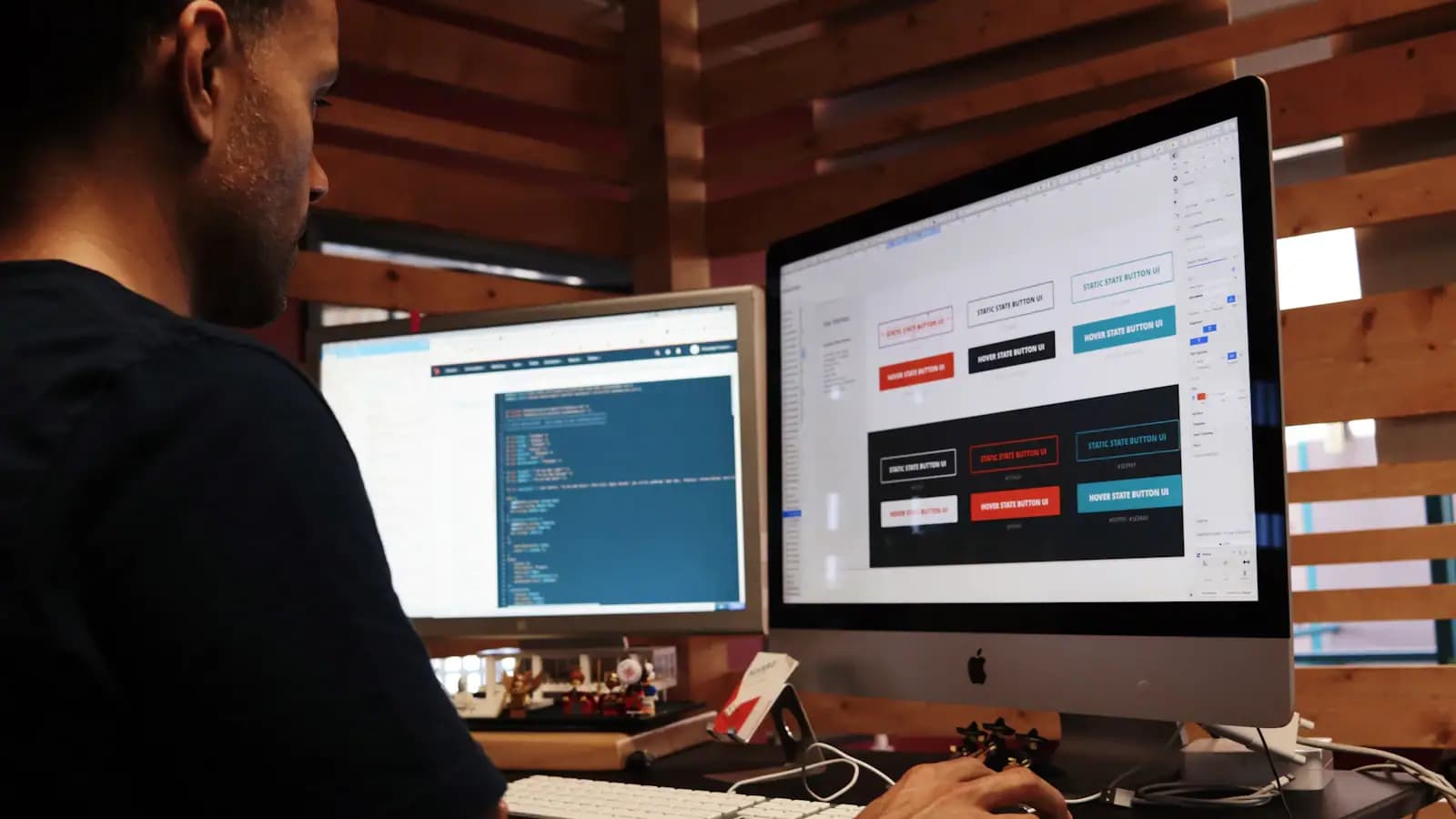
A web development company is judged by what it hands over after launch: source code, deployment documentation, and whether another developer could continue the work.

Mobile App Development Company in Saudi Arabia
An app development company is judged by what happens after launch, not by the launch: who publishes updates, who owns the store accounts, who handles crashes.
SEO Company in Saudi Arabia: Boost Your Online Presence
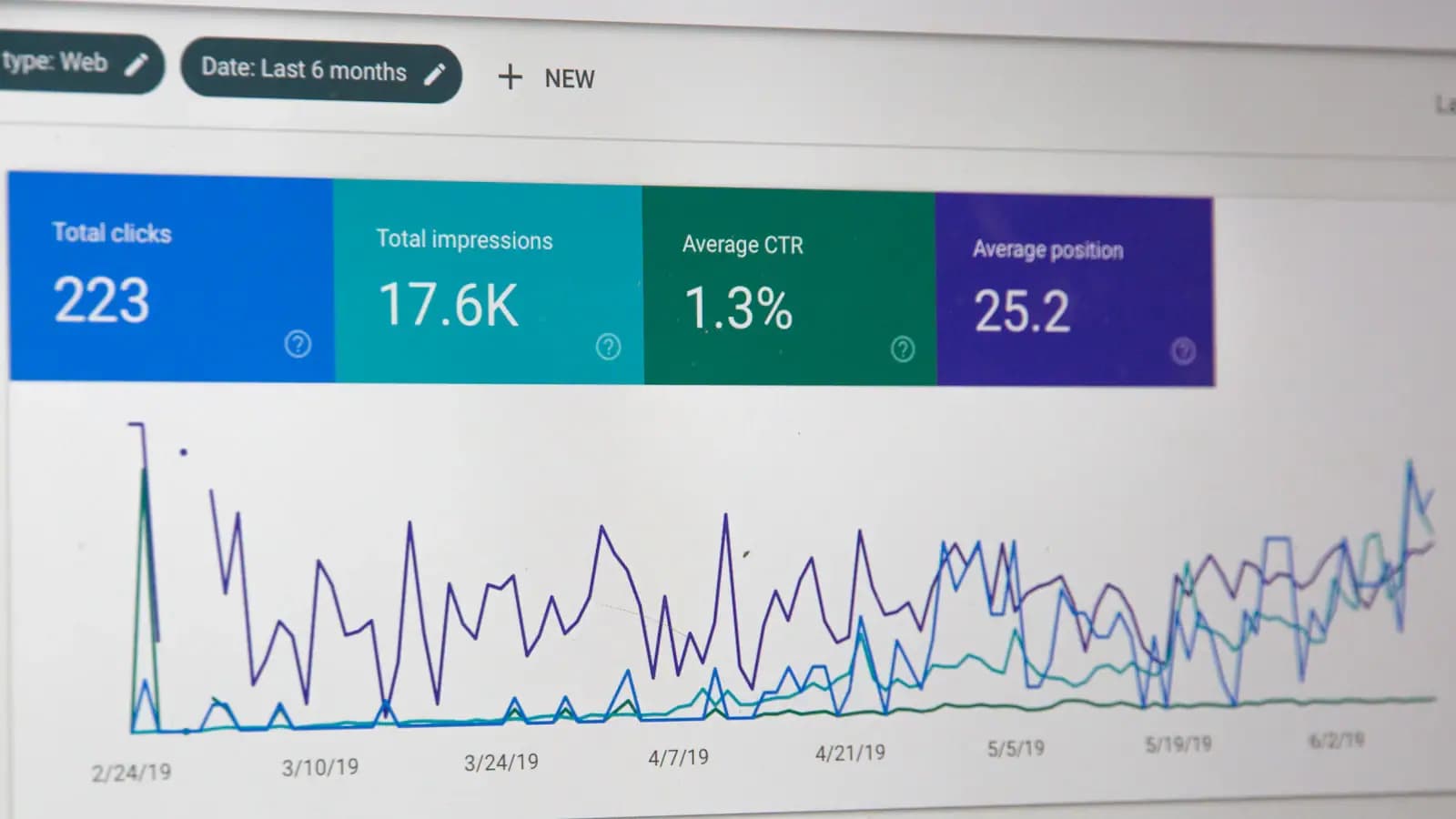
A serious SEO company starts with a technical audit and a current-state report before promising any ranking.

Digital Marketing Company in Saudi Arabia
A serious digital marketing agency installs measurement before spending anything. An agency that starts campaigns and reports clicks and impressions without tying…

E-Commerce Development Saudi
An online store in Saudi Arabia has three non-negotiable requirements: Mada support, e-invoicing compliant with the Fatoora system, and full Arabic RTL.
UI/UX Design Company in Saudi Arabia
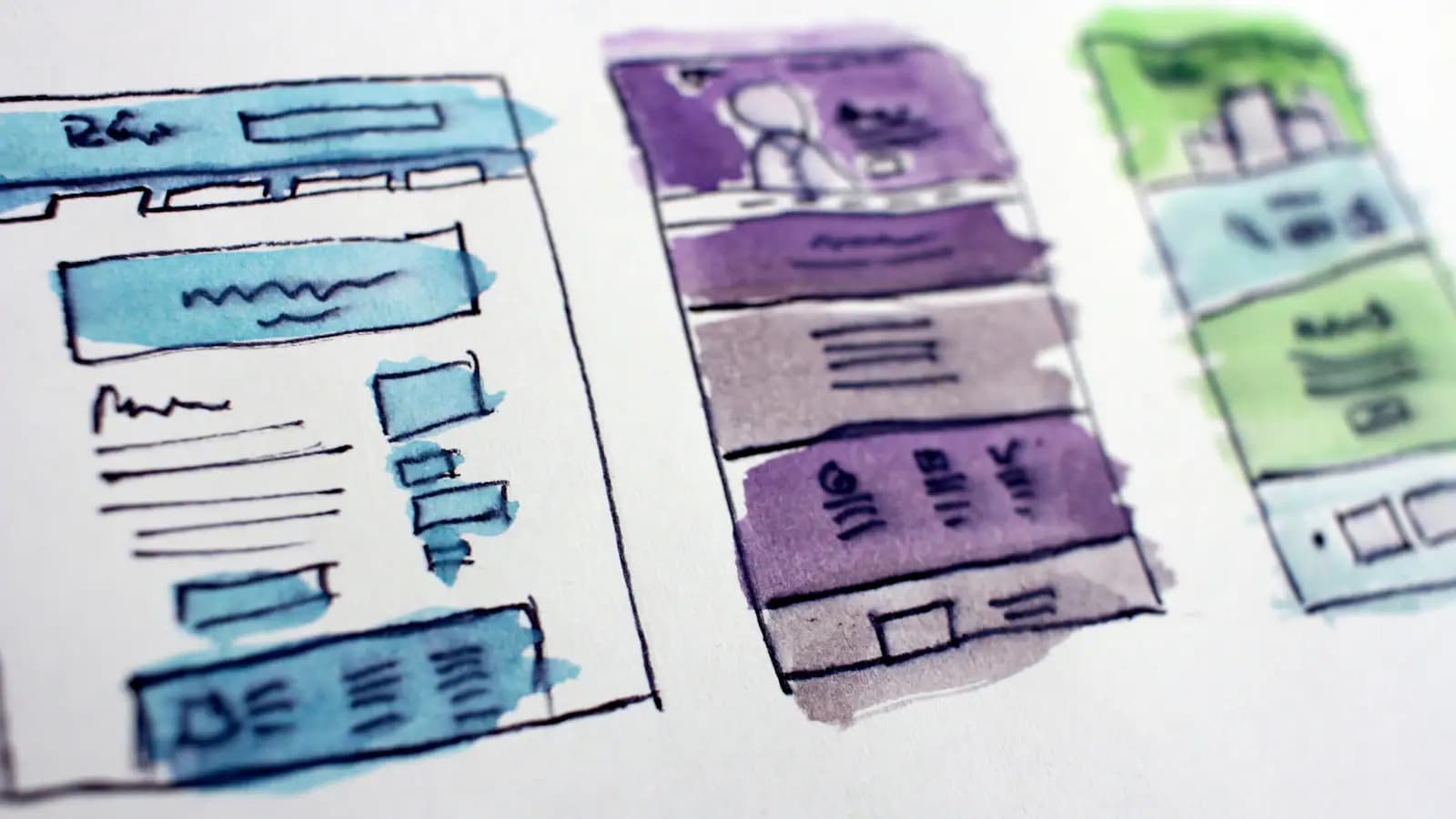
A serious UI/UX company delivers a design system and buildable files, not attractive screenshots.

Software Development Cost in Saudi Arabia
Software cost follows integration count and business logic complexity, not screen count. A ten-screen system connecting to e-invoicing, inventory and payment costs…

POS System Development
A POS is judged by entry speed at peak and by whether it works offline. A purely cloud system that stops when the network drops stops sales, which no real point of…

Cloud Solutions in Saudi Arabia
Cloud in Saudi Arabia carries an extra consideration: some sectors require data to remain inside the Kingdom.

HR System Development
An HR system starts with attendance and leave because they are the most repetitive and most disputed.