Smart City Solutions in Saudi Arabia

Smart City Solutions in Saudi Arabia
Smart city solutions start from data that already exists and is being wasted — meters, cameras, traffic systems already running — before installing any new sensor.
In short: Smart city solutions start from data that already exists and is being wasted — meters, cameras, traffic systems already running — before installing any new sensor. Cities that start by buying hardware end up with data nobody reads and no decisions changed.
What is Smart City Solutions?
They form a system collecting data from urban infrastructure and turning it into operational decisions: traffic management, energy efficiency, waste collection and public safety. Their value lies in the integration platform, not the individual devices.
Why Smart City Solutions is worth the investment in Saudi Arabia
- Decisions grounded in data: Once operations are recorded digitally, patterns become visible instead of relying on management impression.
- Faster customer service: Immediate access to a customer's record cuts response time from hours to minutes.
- Lower operating cost: Removing paper and inter-department walking saves time that shows up in cost per transaction.
- The ability to scale: Digital processes absorb a doubling of volume with fewer resources than manual ones.
Who needs Smart City Solutions?
- Municipalities managing urban services
- Developers of large cities and compounds
- Utility companies operating water or electricity networks
Core capabilities
- A unified integration platform: Bringing data from different systems into one place, because data isolated inside each system produces no insight.
- Data-driven operation: Adjusting traffic signals or collection schedules from actual measurement rather than a fixed timetable.
- Incremental expansion: Starting with one district or service to prove the case before rolling out city-wide.
Technologies and tools
These are the tools we actually use on Smart City Solutions projects. Which ones apply depends on the size and budget of the project, not on what is newest:
- Odoo
- Power BI
- SharePoint
- n8n
- REST APIs
- Cloud platforms
- Digital signatures
Cost and timeline in Saudi Arabia
| Tier | Scope | Indicative cost (SAR) | Duration |
|---|---|---|---|
| Starter | Limited scope, core functionality | 40,000 - 100,000 | from 12 weeks |
| Standard | Full scope with integrations | 100,000 - 300,000 | 12-40 weeks |
| Advanced | Enterprise scope, complex integrations | 300,000+ | 40+ weeks |
These are indicative 2026 ranges for the Saudi Arabia market, not a quotation. Actual cost is set after a scoping session, and the largest driver is usually the number of external integrations rather than the number of screens.
How a Smart City Solutions project runs
1. Digital maturity assessment
Measuring where the company actually stands in systems, skills and culture — not where it assumes it stands.
2. Prioritising by impact
Choosing the highest-impact, lowest-effort processes to start with and deferring the rest.
3. Limited pilot projects
Running in one department or branch to learn the lessons before rolling out.
4. Building internal capability
Training an internal team that can operate what was built, otherwise the company stays dependent on an external vendor.
5. Rollout and impact measurement
Expanding gradually with defined indicators proving the change delivered what was promised.
Best practices
- Start with a visible operational pain: Transformation that solves a problem staff feel daily wins immediate acceptance.
- Appoint an executive sponsor: Transformation nobody owns at decision level stops at the first resistance.
- Change the process, not just the tool: Digitising a paper form as-is moves the bureaucracy onto a screen.
- Invest in training as much as systems: An excellent system the team cannot use returns nothing.
- Measure before and after: Without a baseline you cannot prove success or justify the next investment.
Common mistakes to avoid
- Buying systems before defining the problem: Many disconnected systems increase complexity rather than reducing it.
- Ignoring resistance to change: An employee who fears for their role will work around the system however good it is.
- Transforming everything at once: Changing everything simultaneously disrupts operations and obscures the cause of any failure.
- Neglecting legacy data quality: Moving messy data into a new system moves the mess with it.
- No success indicators: Without numbers, evaluation becomes a clash of opinions.
What is specific to Saudi Arabia
The Saudi market operates under Vision 2030, which has pushed government and semi-government bodies to require specific levels of digitisation from their suppliers. In practice that means a company dealing with a government entity needs compliant e-invoicing and integration with national platforms, not merely an internal system that works.
- Local payment rails such as Mada and Apple Pay carry a large share of transactions and must be supported alongside international cards.
- The Wage Protection System requires salaries to be paid through approved channels, so any HR system must export files in the required format.
- Dealings with government entities run through national platforms, and a company unable to integrate with them is excluded before its proposal is assessed.
- Smartphone penetration is high and most browsing and buying happens on mobile, so the mobile experience is the primary one rather than a scaled-down version.
Frequently asked questions
Q: Where do we start?
A: With one service that has a measurable problem: congestion at a specific junction, or high lighting cost. A measured win in a limited scope justifies expansion, unlike a comprehensive programme whose return is hard to demonstrate.
Q: What is the biggest mistake in smart city projects?
A: Buying devices before defining the decision they will support. Many sensors produce data nobody reads and that connects to no operational action, turning into a maintenance cost with no return.
Q: Can existing infrastructure be used?
A: Usually yes, and it is the cheaper path. Existing cameras, meters and traffic systems already produce wasted data that can be collected and analysed without any new installation.
Q: Do you host the project or do I?
A: Either. We usually recommend cloud hosting in the client company's name, managed under the maintenance contract, so ownership stays with you and operation with us.
Q: How do you ensure system security?
A: Encryption of sensitive data, role-based permissions, regular security updates, and tested backups. Security is part of the design rather than a phase added before launch.
Q: Can I start with a small scope and expand?
A: Yes, and we usually recommend it. Release the module that solves the biggest operational pain, use it in earnest, then build the rest informed by what real usage taught you.
Conclusion
Smart City Solutions is less a purely technical decision than an operational one: the difference between a project that lands and one that stalls usually shows up in how clearly the scope was defined before starting, not in the choice of technology. Begin by stating precisely which problem you are solving, then ask any prospective partner how they intend to measure success.
Codlex Tech is a software development company working since 2020 with clients across Saudi Arabia, Egypt and the Middle East on websites, mobile apps, e-commerce, ERP and CRM systems.
Contact: [info.codlextech@gmail.com](mailto:info.codlextech@gmail.com) — [+201223280094](tel:+201223280094) — [codlextech.com](https://www.codlextech.com)
Latest Articles

Digital Transformation and Saudi Vision 2030
Vision 2030 turned digitisation from a competitive advantage into a condition of doing business: government and semi-government bodies require defined levels of…

Technology Opportunities in NEOM and Saudi Giga-Projects
Giga-projects such as NEOM open opportunities for technology suppliers, but entering them requires above-average readiness: documentation, compliance, and evidence…

Digital Transformation for Saudi SMEs
Small and mid-sized companies fail at digital transformation when they imitate large ones: a comprehensive programme with a big budget and a dedicated team.

E-Government Solutions in Saudi Arabia
E-government solutions are measured by the share of transactions completed digitally without a visit, not by the number of services published.
Digital Strategy in Saudi Arabia
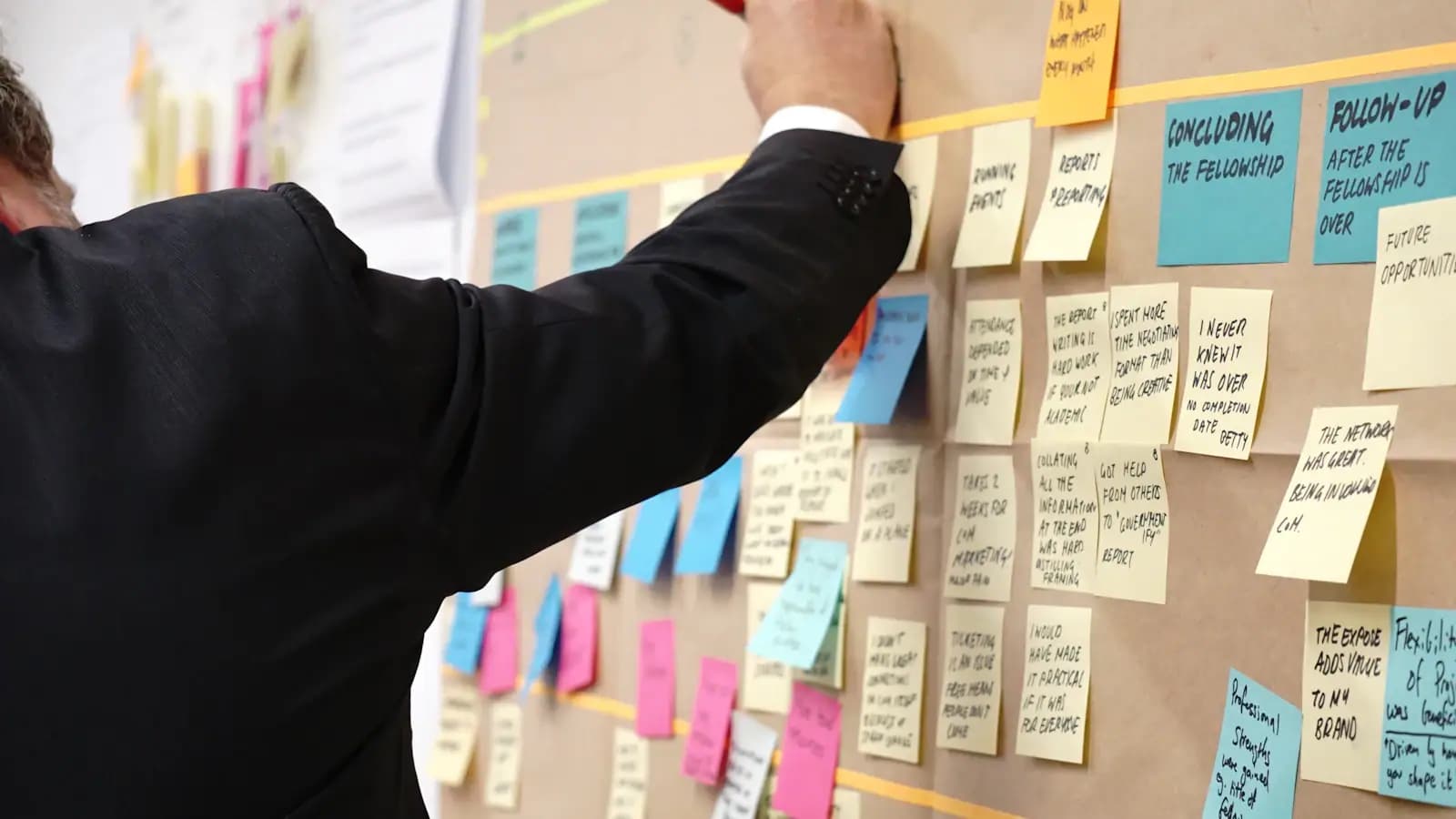
Digital strategy differs from a digital marketing plan: the first defines how you create value digitally, the second how you promote.

Best Software Companies in Saudi Arabia: A Complete Guide 2026
Choosing a software company is settled by two questions rather than a portfolio: what do I receive at handover, and who could continue the work after you? A company…
Web Development Company in Saudi Arabia: How to Choose the Best
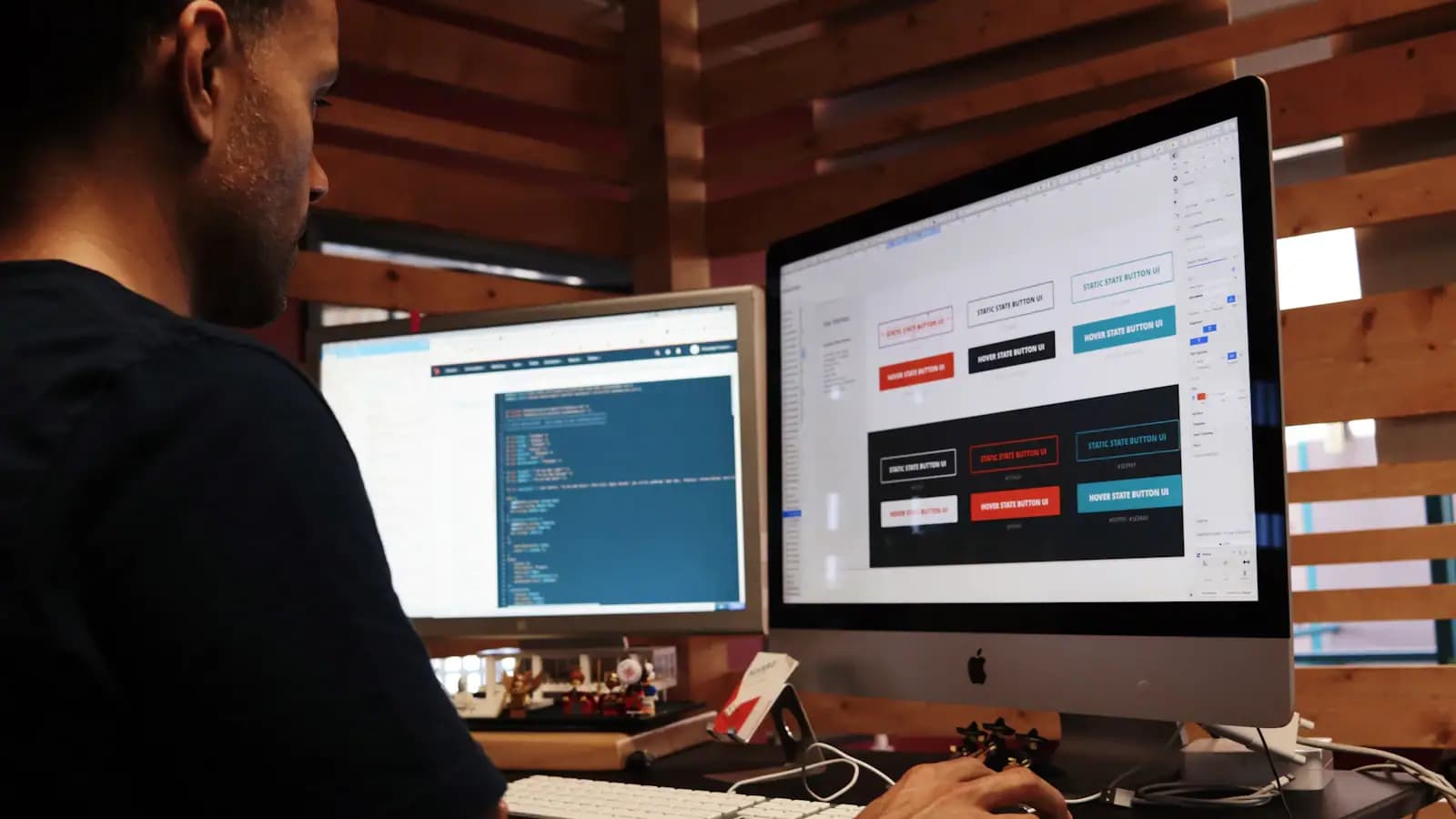
A web development company is judged by what it hands over after launch: source code, deployment documentation, and whether another developer could continue the work.

Mobile App Development Company in Saudi Arabia
An app development company is judged by what happens after launch, not by the launch: who publishes updates, who owns the store accounts, who handles crashes.
SEO Company in Saudi Arabia: Boost Your Online Presence
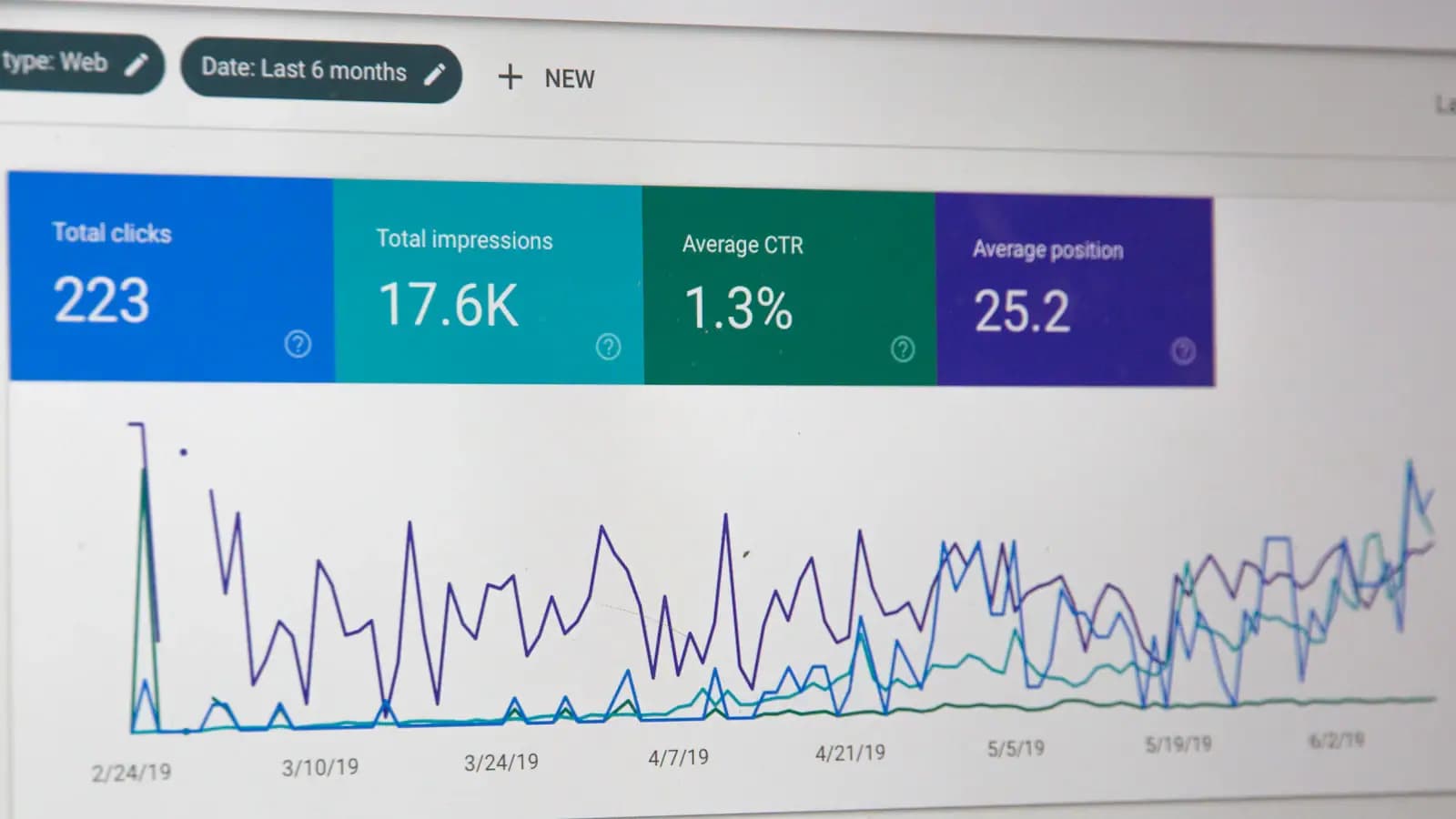
A serious SEO company starts with a technical audit and a current-state report before promising any ranking.

Digital Marketing Company in Saudi Arabia
A serious digital marketing agency installs measurement before spending anything. An agency that starts campaigns and reports clicks and impressions without tying…

E-Commerce Development Saudi
An online store in Saudi Arabia has three non-negotiable requirements: Mada support, e-invoicing compliant with the Fatoora system, and full Arabic RTL.
UI/UX Design Company in Saudi Arabia
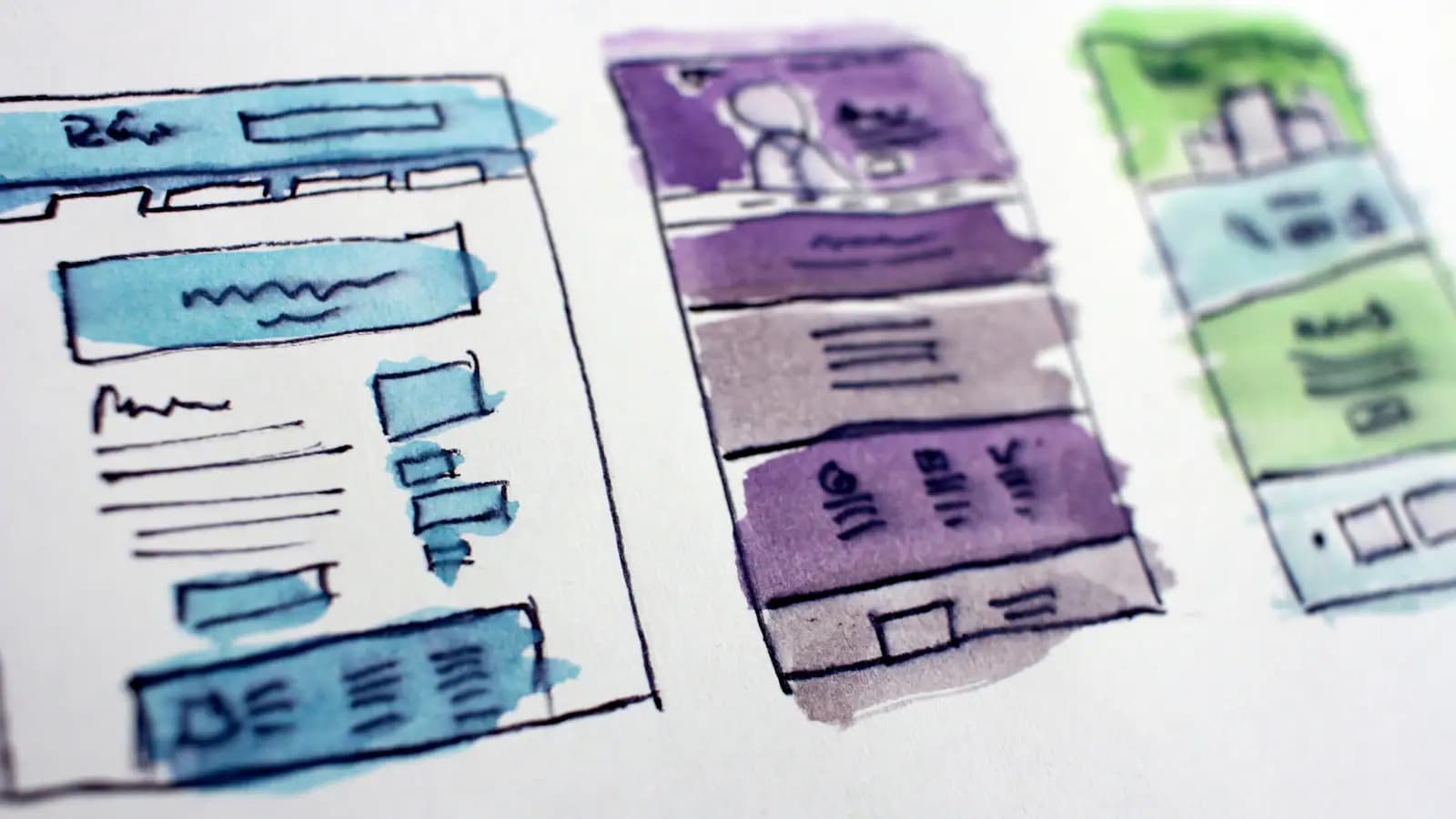
A serious UI/UX company delivers a design system and buildable files, not attractive screenshots.