Saudi E-Commerce Trends 2026

Saudi E-Commerce Trends 2026
The most significant shift in Saudi e-commerce is purchasing moving almost entirely to mobile, alongside a rising share of electronic payment at the expense of cash…
In short: The most significant shift in Saudi e-commerce is purchasing moving almost entirely to mobile, alongside a rising share of electronic payment at the expense of cash on delivery. A desktop-first store serves a minority of its buyers.
What is Saudi E-Commerce Trends 2026?
Saudi market trends include mobile dominance, growth in social commerce, expectations of faster delivery, and increasing preference for electronic payment. These are shifts in buyer behaviour that impose changes on the store, not the reverse.
Why Saudi E-Commerce Trends 2026 is worth the investment in Saudi Arabia
- Selling outside business hours: The store takes orders at night and on holidays, a window that accounts for a meaningful share of regional digital retail.
- Lower service cost per order: An order the customer completes themselves consumes no sales staff time, so cost per order falls as volume rises.
- Data a physical shop cannot give you: You see what a customer viewed before buying and where they stopped, which informs stock and pricing decisions.
- Geographic reach without branches: Reaching another city needs a shipping agreement, not a lease and a hired team.
Who needs Saudi E-Commerce Trends 2026?
- Online merchants planning store improvements
- Brands entering the Saudi market
- Companies assessing e-commerce investment priorities
Core capabilities
- Absolute mobile priority: Mobile design, performance and speed are the primary experience, not a shrunken desktop version.
- Electronic payment first: Mada, Apple Pay and digital wallets, with relative decline in reliance on cash on delivery.
- Faster delivery expectations: One or two day delivery has become expected in major cities rather than a competitive advantage.
Technologies and tools
These are the tools we actually use on Saudi E-Commerce Trends 2026 projects. Which ones apply depends on the size and budget of the project, not on what is newest:
- Shopify
- WooCommerce
- Next.js Commerce
- Laravel
- Stripe
- Tap
- Paymob
- Algolia
- Meta Pixel
Cost and timeline in Saudi Arabia
| Tier | Scope | Indicative cost (SAR) | Duration |
|---|---|---|---|
| Starter | Limited scope, core functionality | 15,000 - 35,000 | from 5 weeks |
| Standard | Full scope with integrations | 35,000 - 120,000 | 5-16 weeks |
| Advanced | Enterprise scope, complex integrations | 120,000+ | 16+ weeks |
These are indicative 2026 ranges for the Saudi Arabia market, not a quotation. Actual cost is set after a scoping session, and the largest driver is usually the number of external integrations rather than the number of screens.
How a Saudi E-Commerce Trends 2026 project runs
1. Building the product catalogue
Organising categories, attributes, variants and imagery — the stage most often rushed, and the one that determines browse and search quality later.
2. Payment and shipping setup
Connecting the local payment gateway and couriers, and calculating delivery cost by region and weight.
3. Designing the purchase path
Cutting checkout steps and allowing guest purchase, since every extra form field raises cart abandonment.
4. Inventory and order integration
Syncing quantities with the physical warehouse or ERP so out-of-stock items cannot be sold.
5. Launch and continuous optimisation
Launch, then measure conversion rate and cart abandonment and adjust pages against the numbers.
Best practices
- Shoot products to one standard: Consistent background, lighting and aspect ratio make the category page look professional and raise trust.
- Show shipping cost early: A shipping surprise at the last step is the most commonly cited reason for cart abandonment.
- Enable abandoned-cart recovery: A single reminder a few hours later recovers a measurable share of stalled orders.
- Write unique product descriptions: Copying the supplier's text verbatim makes your pages duplicates of dozens of stores and weakens their ranking.
- Watch product page speed: The product page is the most visited and the most image-heavy; improving it moves sales directly.
Common mistakes to avoid
- Launching with an incomplete catalogue: Products without images or prices cost you trust in the whole store.
- Only one payment gateway: Every gateway has a decline rate; offering an alternative reduces lost orders.
- Ignoring internal search: Visitors who search have high purchase intent, and weak search wastes your best customers.
- Not integrating inventory: Selling an item that is actually out of stock creates cancellations and complaints costing more than the order.
- Neglecting the returns policy page: Without a clear policy, hesitant buyers stop at the final step.
What is specific to Saudi Arabia
The Saudi market operates under Vision 2030, which has pushed government and semi-government bodies to require specific levels of digitisation from their suppliers. In practice that means a company dealing with a government entity needs compliant e-invoicing and integration with national platforms, not merely an internal system that works.
- Local payment rails such as Mada and Apple Pay carry a large share of transactions and must be supported alongside international cards.
- The Wage Protection System requires salaries to be paid through approved channels, so any HR system must export files in the required format.
- Dealings with government entities run through national platforms, and a company unable to integrate with them is excluded before its proposal is assessed.
- Smartphone penetration is high and most browsing and buying happens on mobile, so the mobile experience is the primary one rather than a scaled-down version.
Frequently asked questions
Q: Does cash on delivery still matter?
A: Less than before, but it has not disappeared. Its share is declining in favour of electronic payment, but offering it still opens a segment of hesitant buyers, particularly on a first order from an unfamiliar store.
Q: What is the effect of social commerce?
A: It is a strong discovery channel more than a completion channel. Many discover products on Instagram or Snapchat then buy on the site, which is why the transition between them must be frictionless.
Q: What should I invest in first?
A: Mobile experience and product page speed. Everything else rests on them: a successful ad campaign is wasted if it lands on a slow page or a purchase path that is hard on a phone.
Q: How do you estimate project duration?
A: After a scoping session establishing requirements and integrations. Estimating before scope is a guess, and any number given on a first call is either padded heavily or will be revised.
Q: What if I am not satisfied with the design?
A: Design goes through agreed revision rounds before development. Changing a design in its own phase takes hours; changing it after development takes days, which is why we settle it early.
Q: Do you host the project or do I?
A: Either. We usually recommend cloud hosting in the client company's name, managed under the maintenance contract, so ownership stays with you and operation with us.
Conclusion
Saudi E-Commerce Trends 2026 is less a purely technical decision than an operational one: the difference between a project that lands and one that stalls usually shows up in how clearly the scope was defined before starting, not in the choice of technology. Begin by stating precisely which problem you are solving, then ask any prospective partner how they intend to measure success.
Codlex Tech is a software development company working since 2020 with clients across Saudi Arabia, Egypt and the Middle East on websites, mobile apps, e-commerce, ERP and CRM systems.
Contact: [info.codlextech@gmail.com](mailto:info.codlextech@gmail.com) — [+201223280094](tel:+201223280094) — [codlextech.com](https://www.codlextech.com)
Latest Articles

E-Commerce Development Saudi
An online store in Saudi Arabia has three non-negotiable requirements: Mada support, e-invoicing compliant with the Fatoora system, and full Arabic RTL.
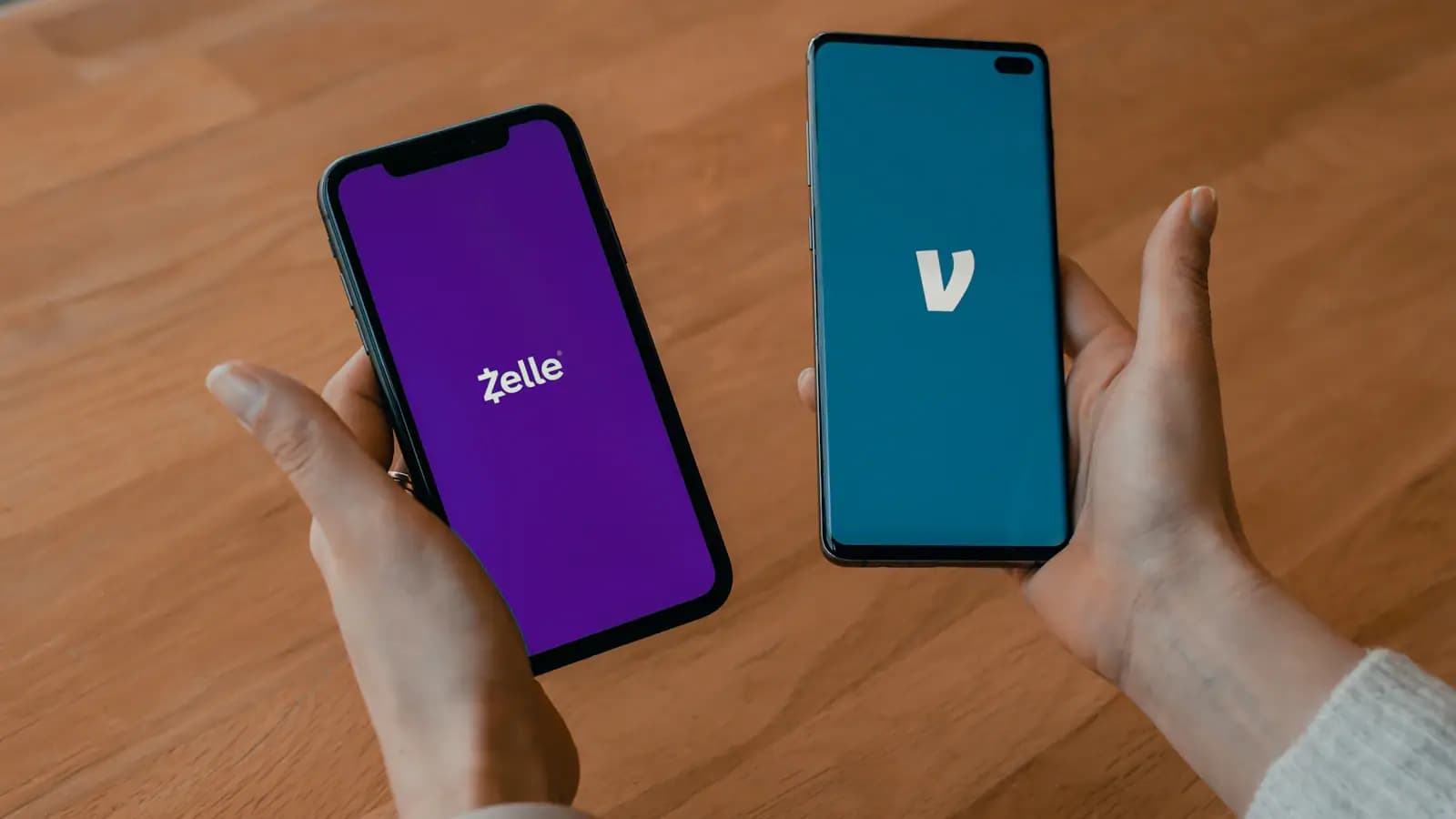
Payment Gateway Integration in Saudi Arabia
Relying on a single payment gateway means every declined transaction is a lost sale. Offering an alternative reduces lost orders measurably, because decline rates…
Mada Payment Integration
Mada is Saudi Arabia's domestic payment network and carries a large share of card transactions.

E-Commerce Legal Compliance Saudi
Online stores in Saudi Arabia fall under the e-commerce law, which requires clear disclosure of store details and return policies.

E-commerce Development in Egypt: Complete Guide 2026
An online store in Egypt must support cash on delivery alongside Fawry and Paymob, because cash remains the most used option.

Create a Shopify Store in Egypt: Seller Guide
Shopify offers fast launch with managed hosting and security, but dollar-denominated fees and limited integration with Egyptian payment gateways make it a decision…

Payment Gateways in Egypt: Complete Comparison
An Egyptian store needs at least three payment channels: cards, Fawry or a wallet, and cash on delivery.

E-commerce Marketing in Egypt: Strategies 2026
Store marketing in Egypt starts with retargeting people who visited and did not buy, because they are the cheapest customers to recover.

Multi-Vendor Marketplace in Egypt
The hardest part of building a marketplace is not technology but the cold-start problem: no sellers without buyers, no buyers without sellers.

Start a Dropshipping Business in Egypt: Guide 2026
Dropshipping removes inventory cost but shifts the risk to quality and delivery: you sell a product you have not seen, relying on a supplier you do not control.

Convert Website to E-commerce Store in Egypt
Converting a brochure site into a store must preserve existing page URLs, because deleting or changing them loses rankings built over years.

Online Store Management in Egypt: Success Guide
Managing a store after launch determines its success more than building it. A store launched and left declines within months: sold-out products still listed, stale…