Rebranding Your Company in Egypt

Rebranding Your Company in Egypt
Rebranding is an expensive decision that needs a clear commercial reason: a change in audience, product or a merger — not boredom with the current look.
In short: Rebranding is an expensive decision that needs a clear commercial reason: a change in audience, product or a merger — not boredom with the current look. Rebranding without a reason erases recognition built over years and starts again from zero.
What is Rebranding Your Company?
It redefines the brand wholly or partly: it may be a visual refresh preserving known assets, or extend to changing name, positioning and messaging. Choosing between those two levels is the most important decision in the project.
Why Rebranding Your Company is worth the investment in Egypt
- Standing out in a similar market: When services and prices converge, impression and name become the reason for the choice.
- Consistency lowers marketing cost: A clear identity means every ad builds on the last instead of starting from zero.
- Premium pricing needs premium perception: You cannot ask a distinctive price with an identity that looks temporary or imitative.
- Faster team decisions: A brand guide settles colour, type and tone debates once.
Who needs Rebranding Your Company?
- Companies changing their business or expanding into new markets
- Companies that merged or acquired and need one identity
- Companies whose current identity no longer reflects what they have become
Core capabilities
- Assessing what deserves to stay: Identifying the assets the market recognises — a colour, a symbol, the name — that should not be discarded without cause.
- Defining the level of change: Separating a visual refresh from a full rebuild, because they are different projects with different costs and risks.
- A transition plan: A schedule for updating every touchpoint: website, social, print, signage and signatures.
- Internal and external communication: Explaining why the change is happening to staff and customers, because unexplained change reads as instability rather than progress.
Technologies and tools
These are the tools we actually use on Rebranding Your Company projects. Which ones apply depends on the size and budget of the project, not on what is newest:
- Adobe Illustrator
- Figma
- Adobe InDesign
- Photoshop
- Brand guidelines
- Arabic type systems
Cost and timeline in Egypt
| Tier | Scope | Indicative cost (EGP) | Duration |
|---|---|---|---|
| Starter | Limited scope, core functionality | 25,000 - 60,000 | from 3 weeks |
| Standard | Full scope with integrations | 60,000 - 160,000 | 3-10 weeks |
| Advanced | Enterprise scope, complex integrations | 160,000+ | 10+ weeks |
These are indicative 2026 ranges for the Egypt market, not a quotation. Actual cost is set after a scoping session, and the largest driver is usually the number of external integrations rather than the number of screens.
How a Rebranding Your Company project runs
1. Research and positioning
Studying competitors and audience, and defining in one sentence the position you want to hold in the customer's mind.
2. Building the verbal platform
Name, promise, values and tone of voice — what makes your copy consistent across every channel.
3. Logo and visual system
The logo and its variants, colours, type and patterns, tested at small sizes and in print.
4. Applications
Applying the identity to print, web, social and packaging to test whether it holds up in practice.
5. Brand guide and launch
Documenting the rules and prohibited uses, then launching internally before externally.
Best practices
- Test the logo in black and white first: A logo that depends on a gradient collapses in print, stamps and small icons.
- Pair Arabic and Latin type carefully: Combining two typefaces of mismatched weight breaks the identity in any bilingual material.
- Define the prohibited uses: A guide showing what must not be done to the logo prevents more distortion than one showing permitted uses.
- Start from the audience, not your taste: An identity is a communication tool aimed at a specific market, not a founder's personal preference.
- Prepare ready assets per channel: Social sizes, icons and watermarks save time and prevent improvisation.
Common mistakes to avoid
- Rebranding every year: Consistency over time is what builds recall; frequent change erases what accumulated.
- An over-detailed logo: It loses clarity when reduced to an app icon or a stamp.
- Ignoring trademark availability: Building a brand on a name you cannot legally hold means losing everything built on it.
- Stopping at the logo: An identity is not just a mark; without colours, type and tone the materials stay inconsistent.
- Not involving the internal team: An identity employees do not understand is not applied in their daily dealings.
What is specific to Egypt
The Egyptian market combines a large population with a deep developer base, which keeps delivery cost relatively lower than the Gulf at comparable technical quality. Against that, exchange rate volatility makes pricing in local currency and contracting in shorter phases safer for both sides.
- Addressing is irregular in many areas, so relying on coordinates and nearby landmarks matters more than the text address field in any delivery system.
- Exchange rate volatility makes pricing in pounds and contracting in short phases safer for both sides than long fixed-price contracts.
- The local developer base is broad, which keeps delivery cost relatively lower but demands finer discrimination between providers given the quality spread.
- Connection quality varies by area, so systems that stop when the network drops need a local operating mode that syncs later.
Frequently asked questions
Q: When is rebranding justified?
A: On a substantive change: a new audience, a different business, a merger, or an identity that has become misleading about what you offer. Boredom with the look is not sufficient reason to accept the cost and risk.
Q: Should I change the name or only the look?
A: Changing the name is far more costly and risky because it erases recognition entirely and requires new registration and updating every document. Only do it if the current name is a genuine obstacle.
Q: How do I transition without confusing customers?
A: A clear announcement explaining why, a transition period where both marks appear, and updating the most visible touchpoints first. An abrupt disappearance of the old look confuses customers and raises questions about the company's stability.
Q: Could another developer continue the work?
A: Yes, and it is a standard we hold ourselves to: documented code in a conventional structure with build and deployment documentation, so you are not tied to us for future changes.
Q: How do you handle our existing data?
A: We start by assessing its quality and cleaning it before migration. Messy data migrated as-is produces reports nobody trusts in the new system.
Q: Do you provide team training?
A: Yes — role-based training close to launch rather than months before, with a short usage guide for each screen the team actually uses.
Conclusion
Rebranding Your Company is less a purely technical decision than an operational one: the difference between a project that lands and one that stalls usually shows up in how clearly the scope was defined before starting, not in the choice of technology. Begin by stating precisely which problem you are solving, then ask any prospective partner how they intend to measure success.
Codlex Tech is a software development company working since 2020 with clients across Saudi Arabia, Egypt and the Middle East on websites, mobile apps, e-commerce, ERP and CRM systems.
Contact: [info.codlextech@gmail.com](mailto:info.codlextech@gmail.com) — [+201223280094](tel:+201223280094) — [codlextech.com](https://www.codlextech.com)
Latest Articles

Branding Agency in Egypt: Build Your Brand Identity
Choosing a branding agency is judged by what they hand over, not by how their portfolio looks: do you receive a complete brand guide, source files and clear usage…

Professional Logo Design in Egypt
A good logo is tested first in black and white at app-icon size. A logo relying on a gradient or fine detail collapses in stamps, single-colour print and mobile…
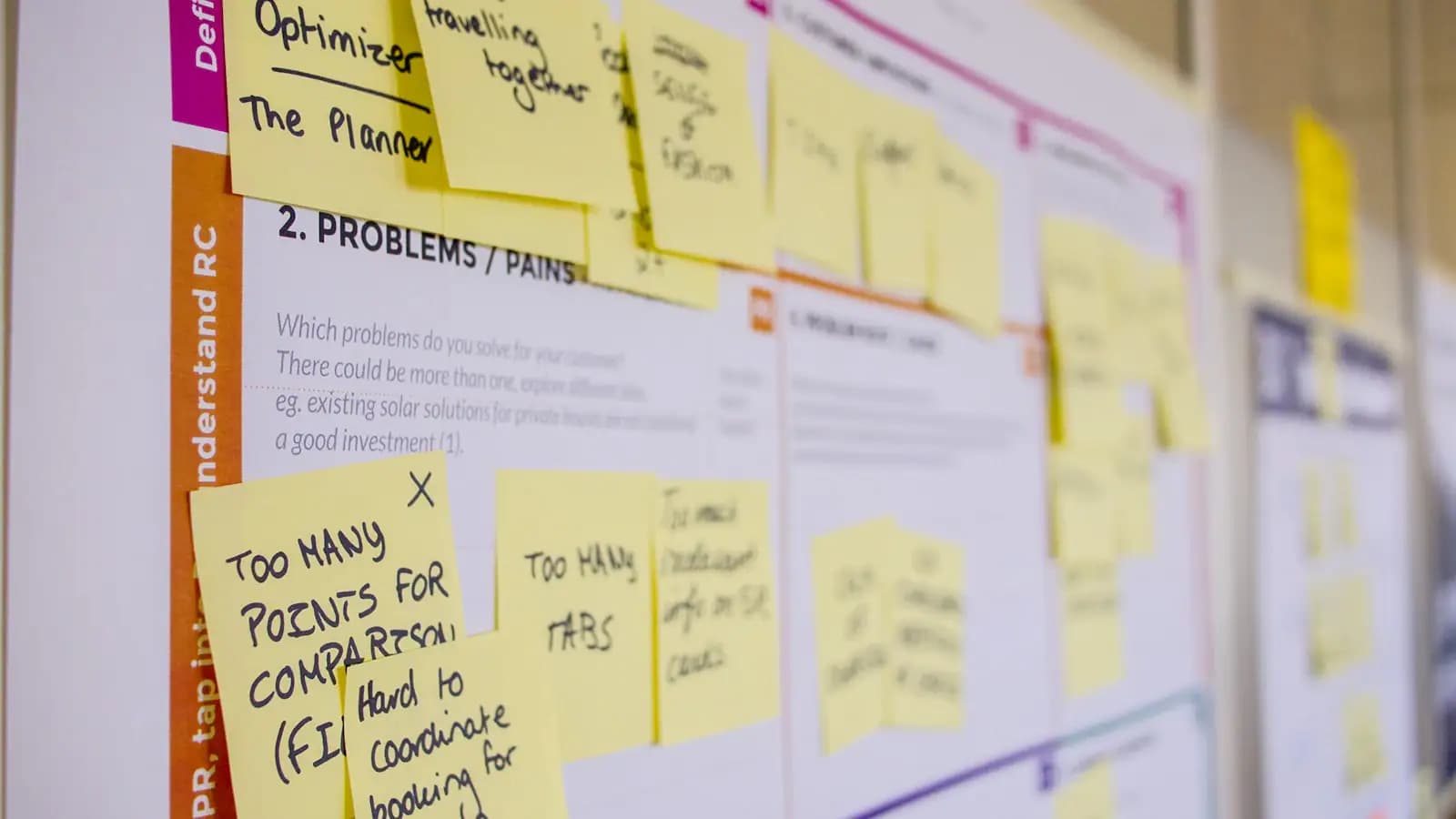
Brand Strategy in Egypt: Guide 2026
Brand strategy comes before design, not after: before choosing any colour you need to know who you address and how you differ.

Best Software Companies in Saudi Arabia: A Complete Guide 2026
Choosing a software company is settled by two questions rather than a portfolio: what do I receive at handover, and who could continue the work after you? A company…
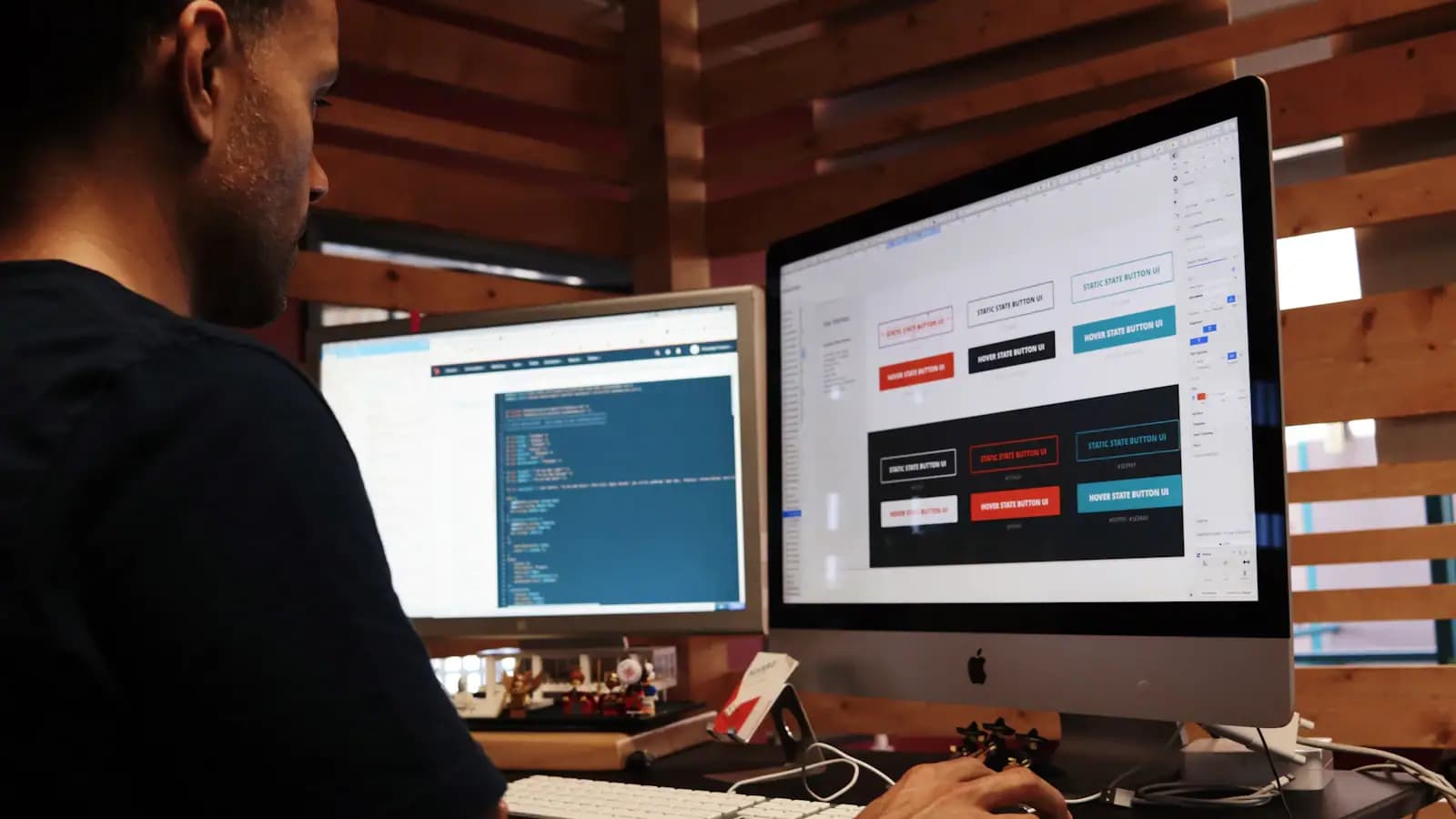
Web Development Company in Saudi Arabia: How to Choose the Best
A web development company is judged by what it hands over after launch: source code, deployment documentation, and whether another developer could continue the work.
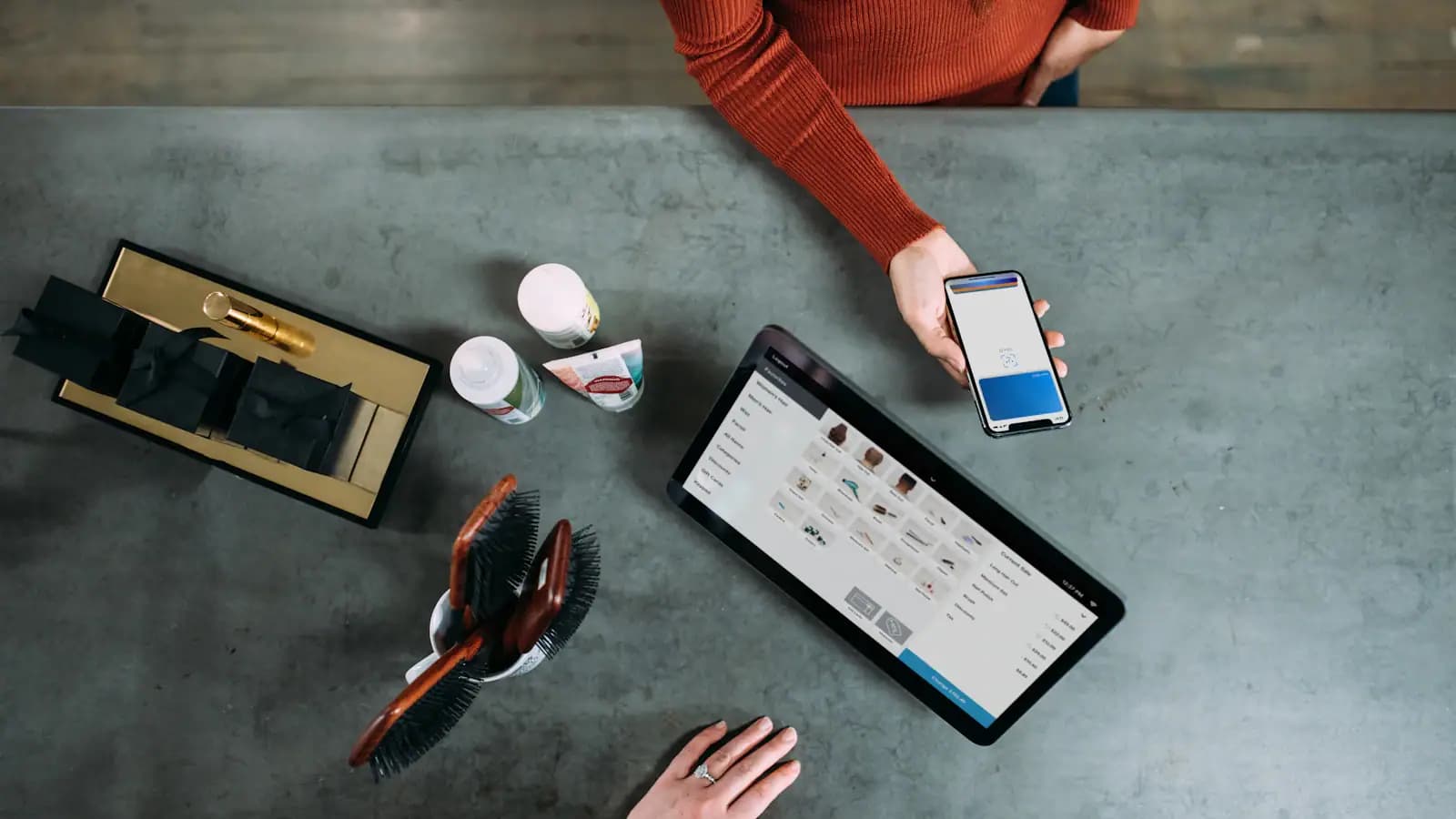
Mobile App Development Company in Saudi Arabia
An app development company is judged by what happens after launch, not by the launch: who publishes updates, who owns the store accounts, who handles crashes.
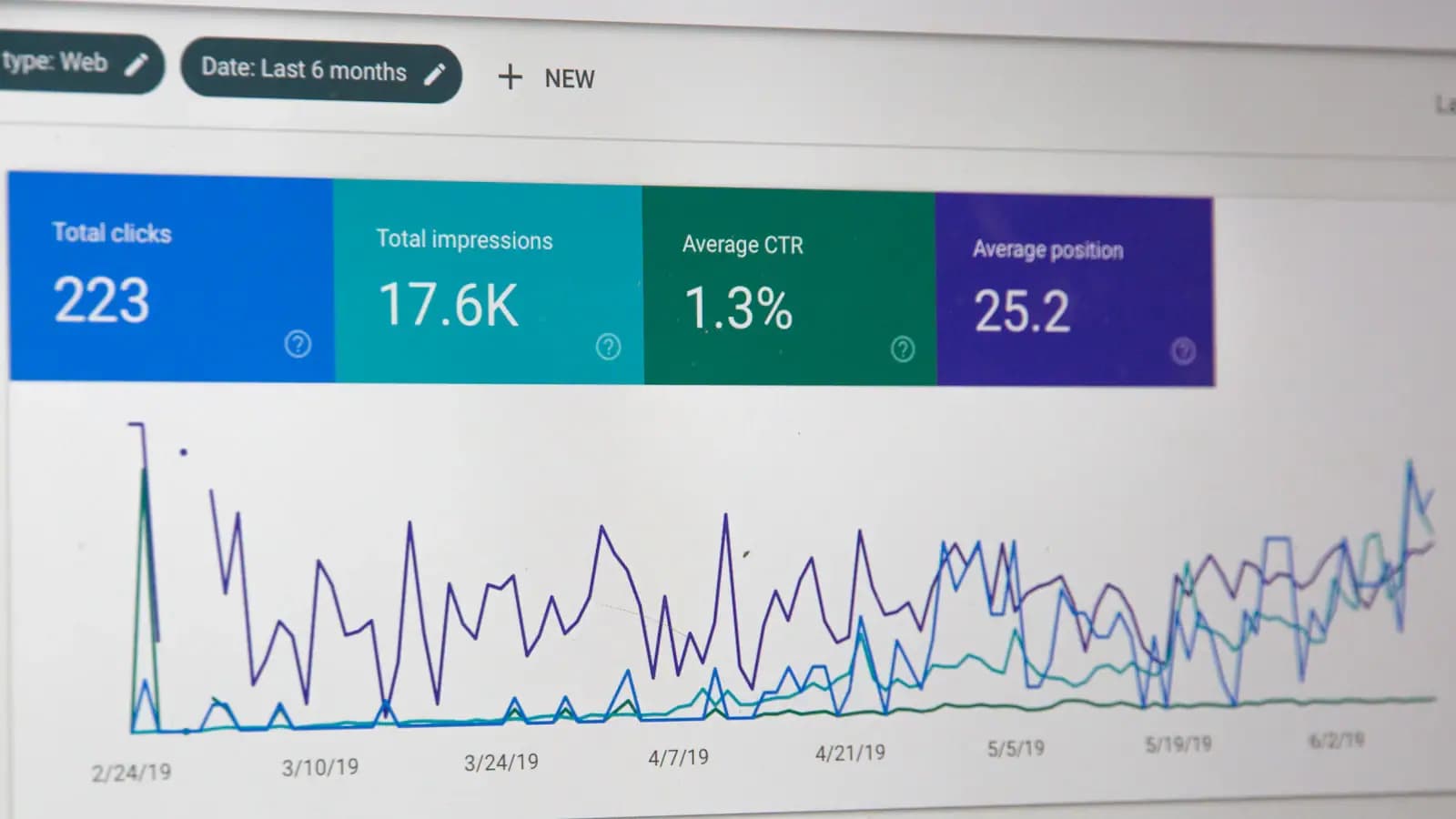
SEO Company in Saudi Arabia: Boost Your Online Presence
A serious SEO company starts with a technical audit and a current-state report before promising any ranking.

Digital Marketing Company in Saudi Arabia
A serious digital marketing agency installs measurement before spending anything. An agency that starts campaigns and reports clicks and impressions without tying…

E-Commerce Development Saudi
An online store in Saudi Arabia has three non-negotiable requirements: Mada support, e-invoicing compliant with the Fatoora system, and full Arabic RTL.
UI/UX Design Company in Saudi Arabia
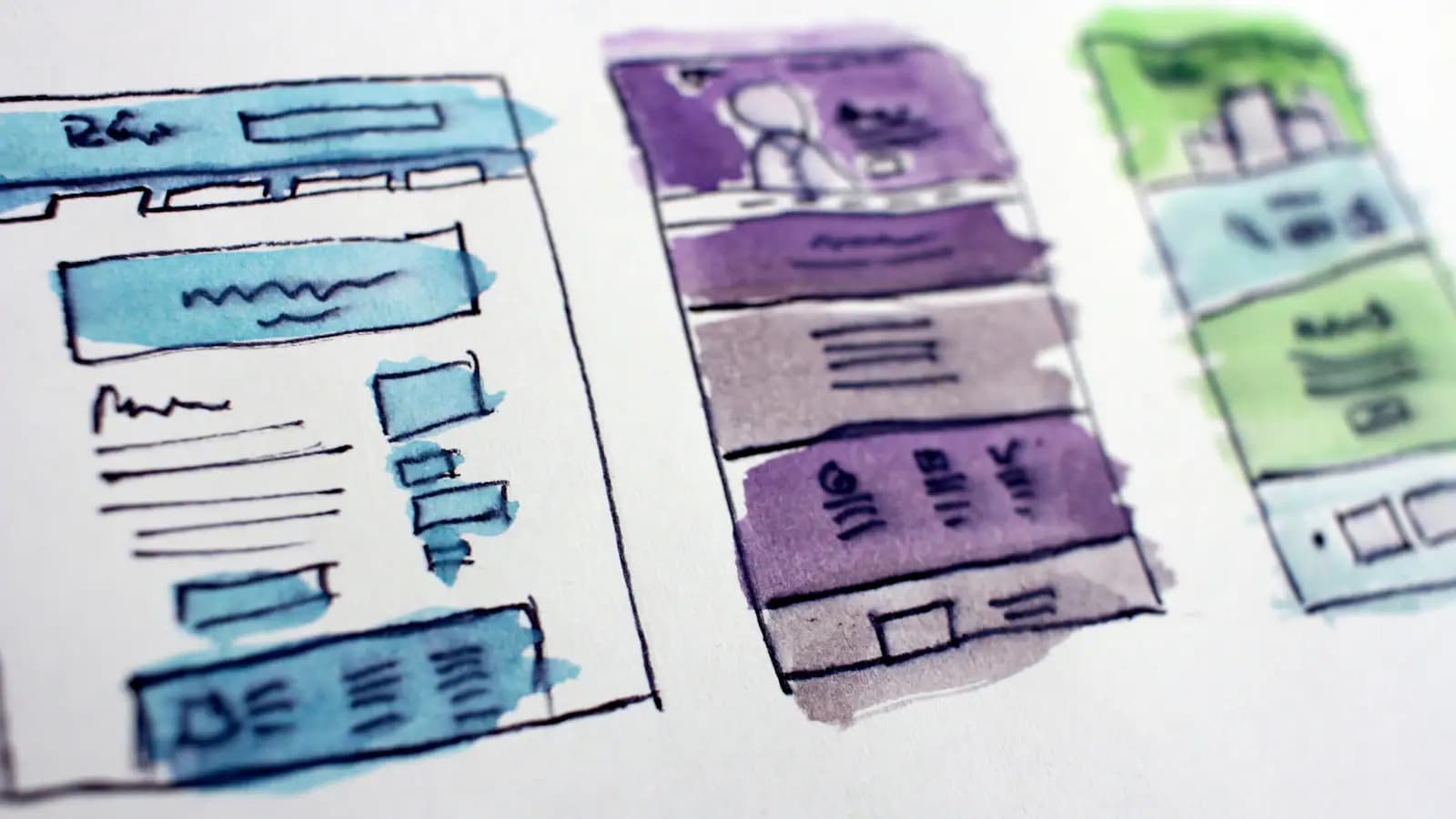
A serious UI/UX company delivers a design system and buildable files, not attractive screenshots.

Software Development Cost in Saudi Arabia
Software cost follows integration count and business logic complexity, not screen count. A ten-screen system connecting to e-invoicing, inventory and payment costs…

POS System Development
A POS is judged by entry speed at peak and by whether it works offline. A purely cloud system that stops when the network drops stops sales, which no real point of…