Real Estate Portal Development in Egypt

Real Estate Portal Development in Egypt
A property portal differs from a single agency site in hosting multiple listers, which brings permission management, listing moderation and a pricing model for…
In short: A property portal differs from a single agency site in hosting multiple listers, which brings permission management, listing moderation and a pricing model for listers. Its hardest part is not the engineering but keeping data quality acceptable from sources you do not control.
What is Real Estate Portal Development?
It is a platform where multiple brokers and developers list their units and buyers search across everything on offer. Its business model is either lister subscriptions, paid featured placement, or a commission on the deal.
Why Real Estate Portal Development is worth the investment in Egypt
- Listing a unit with enough detail: Photos, floor plans and virtual tours cut the number of unserious viewings.
- Organised follow-up with enquirers: A property buyer takes weeks to decide, and without a follow-up system most opportunities are lost.
- Reach beyond the showroom: A digitally listed unit is seen by a buyer in another city or another country.
- Contract and collection management: Property management systems track instalment and renewal dates instead of separate spreadsheets.
Who needs Real Estate Portal Development?
- Founders building a marketplace covering a city or region
- Broker associations wanting a shared platform
- Large developers hosting approved brokers to present their projects
Core capabilities
- A lister dashboard: Adding units, updating status and tracking listing performance without platform staff intervening.
- Listing moderation: An approval path that blocks duplicate or incomplete listings before they reach the public.
- Unified search across listers: Indexing every unit in one search engine with consistent filters despite varied input sources.
- Lister pricing model: Subscription tiers or featured placement with automated billing and renewal tracking.
Technologies and tools
These are the tools we actually use on Real Estate Portal Development projects. Which ones apply depends on the size and budget of the project, not on what is newest:
- Next.js
- Google Maps API
- Matterport
- Elasticsearch
- Odoo
- CRM integrations
- Cloudinary
Cost and timeline in Egypt
| Tier | Scope | Indicative cost (EGP) | Duration |
|---|---|---|---|
| Starter | Limited scope, core functionality | 60,000 - 150,000 | from 6 weeks |
| Standard | Full scope with integrations | 150,000 - 450,000 | 6-18 weeks |
| Advanced | Enterprise scope, complex integrations | 450,000+ | 18+ weeks |
These are indicative 2026 ranges for the Egypt market, not a quotation. Actual cost is set after a scoping session, and the largest driver is usually the number of external integrations rather than the number of screens.
How a Real Estate Portal Development project runs
1. Designing the unit data model
Defining projects, buildings, units and their attributes so precise filtering is possible later.
2. Building search and filters
Filtering by price, area, rooms and location is the single most important screen on any property platform.
3. The visual gallery
High-quality photography, floor plans and 3D tours, linked to the map.
4. Enquiry and follow-up channels
Interest forms wired into a CRM with an assigned owner and a response time.
5. Post-sale or rental management
Contracts, instalments and maintenance requests, where the platform handles them.
Best practices
- Standardise the photography: Consistent angles and lighting make units comparable and raise the credibility of the listing.
- Show the location precisely on the map: Location is the first factor in a property decision, and hiding it reduces serious enquiries.
- Update unit status immediately: A sold unit still listed wastes enquirers' time and damages reputation.
- Respond to enquiries quickly: Property enquirers contact several agencies; the fastest responder gets the viewing.
- Add virtual tours to higher-value units: The higher the price, the more valuable reducing physical viewings becomes.
Common mistakes to avoid
- Incomplete unit data: A listing without area, price or location generates no serious enquiries.
- Weak or outdated photos: The leading reason a listing is skipped, however good the unit.
- Not routing enquiries into a follow-up system: An enquiry that only reaches an inbox is forgotten within days.
- A slow site heavy with images: Property platforms are image-heavy and need specific optimisation.
- Ignoring mobile search: Most initial property searching happens on a phone, on the move.
What is specific to Egypt
The Egyptian market combines a large population with a deep developer base, which keeps delivery cost relatively lower than the Gulf at comparable technical quality. Against that, exchange rate volatility makes pricing in local currency and contracting in shorter phases safer for both sides.
- Local payment gateways such as Fawry, Paymob and Meeza reach a wide segment that international bank cards do not.
- Cash on delivery remains the most used option in e-commerce and must be supported with clear cash handling in the system.
- Addressing is irregular in many areas, so relying on coordinates and nearby landmarks matters more than the text address field in any delivery system.
- Exchange rate volatility makes pricing in pounds and contracting in short phases safer for both sides than long fixed-price contracts.
Frequently asked questions
Q: What is the hardest challenge in building a property portal?
A: Data quality. Different listers enter the same unit with different names, areas and prices, and without strict input rules and moderation the platform loses credibility quickly.
Q: How do I launch with an empty platform?
A: By focusing on one geographic area and building depth of inventory there first. A portal covering one district thoroughly beats one covering the whole country with ten listings.
Q: Which revenue model works best?
A: Monthly lister subscriptions are the most stable and predictable. Deal commission looks attractive but is difficult to track and enforce in practice in property.
Q: What if I am not satisfied with the design?
A: Design goes through agreed revision rounds before development. Changing a design in its own phase takes hours; changing it after development takes days, which is why we settle it early.
Q: Do you host the project or do I?
A: Either. We usually recommend cloud hosting in the client company's name, managed under the maintenance contract, so ownership stays with you and operation with us.
Q: How do you ensure system security?
A: Encryption of sensitive data, role-based permissions, regular security updates, and tested backups. Security is part of the design rather than a phase added before launch.
Conclusion
Real Estate Portal Development is less a purely technical decision than an operational one: the difference between a project that lands and one that stalls usually shows up in how clearly the scope was defined before starting, not in the choice of technology. Begin by stating precisely which problem you are solving, then ask any prospective partner how they intend to measure success.
Codlex Tech is a software development company working since 2020 with clients across Saudi Arabia, Egypt and the Middle East on websites, mobile apps, e-commerce, ERP and CRM systems.
Contact: [info.codlextech@gmail.com](mailto:info.codlextech@gmail.com) — [+201223280094](tel:+201223280094) — [codlextech.com](https://www.codlextech.com)
Latest Articles
Real Estate Website Design in Egypt
A property website is judged on the quality of its search and filtering, not on the beauty of its homepage.

Real Estate CRM in Egypt: Client Management
Property CRM differs from generic CRM because the sales cycle is longer and anchored to a specific unit: a buyer takes interest, compares, views, and may return two…
Virtual Tours for Real Estate in Egypt: Tech 2026
A virtual tour cuts the number of unserious viewings and opens the unit to buyers from another city or another country.

Best Software Companies in Saudi Arabia: A Complete Guide 2026
Choosing a software company is settled by two questions rather than a portfolio: what do I receive at handover, and who could continue the work after you? A company…
Web Development Company in Saudi Arabia: How to Choose the Best
A web development company is judged by what it hands over after launch: source code, deployment documentation, and whether another developer could continue the work.
Mobile App Development Company in Saudi Arabia
An app development company is judged by what happens after launch, not by the launch: who publishes updates, who owns the store accounts, who handles crashes.
SEO Company in Saudi Arabia: Boost Your Online Presence
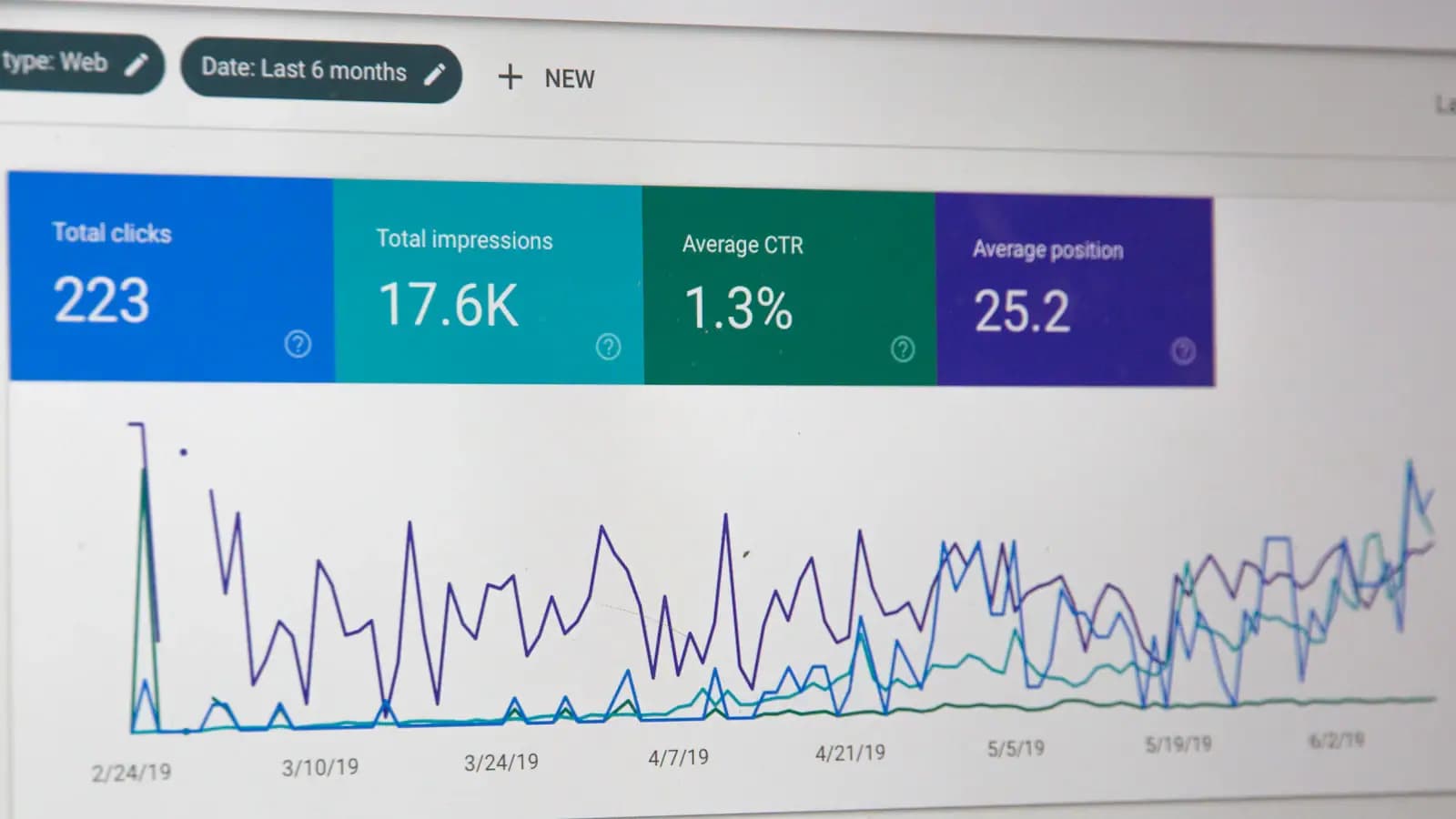
A serious SEO company starts with a technical audit and a current-state report before promising any ranking.

Digital Marketing Company in Saudi Arabia
A serious digital marketing agency installs measurement before spending anything. An agency that starts campaigns and reports clicks and impressions without tying…

E-Commerce Development Saudi
An online store in Saudi Arabia has three non-negotiable requirements: Mada support, e-invoicing compliant with the Fatoora system, and full Arabic RTL.
UI/UX Design Company in Saudi Arabia
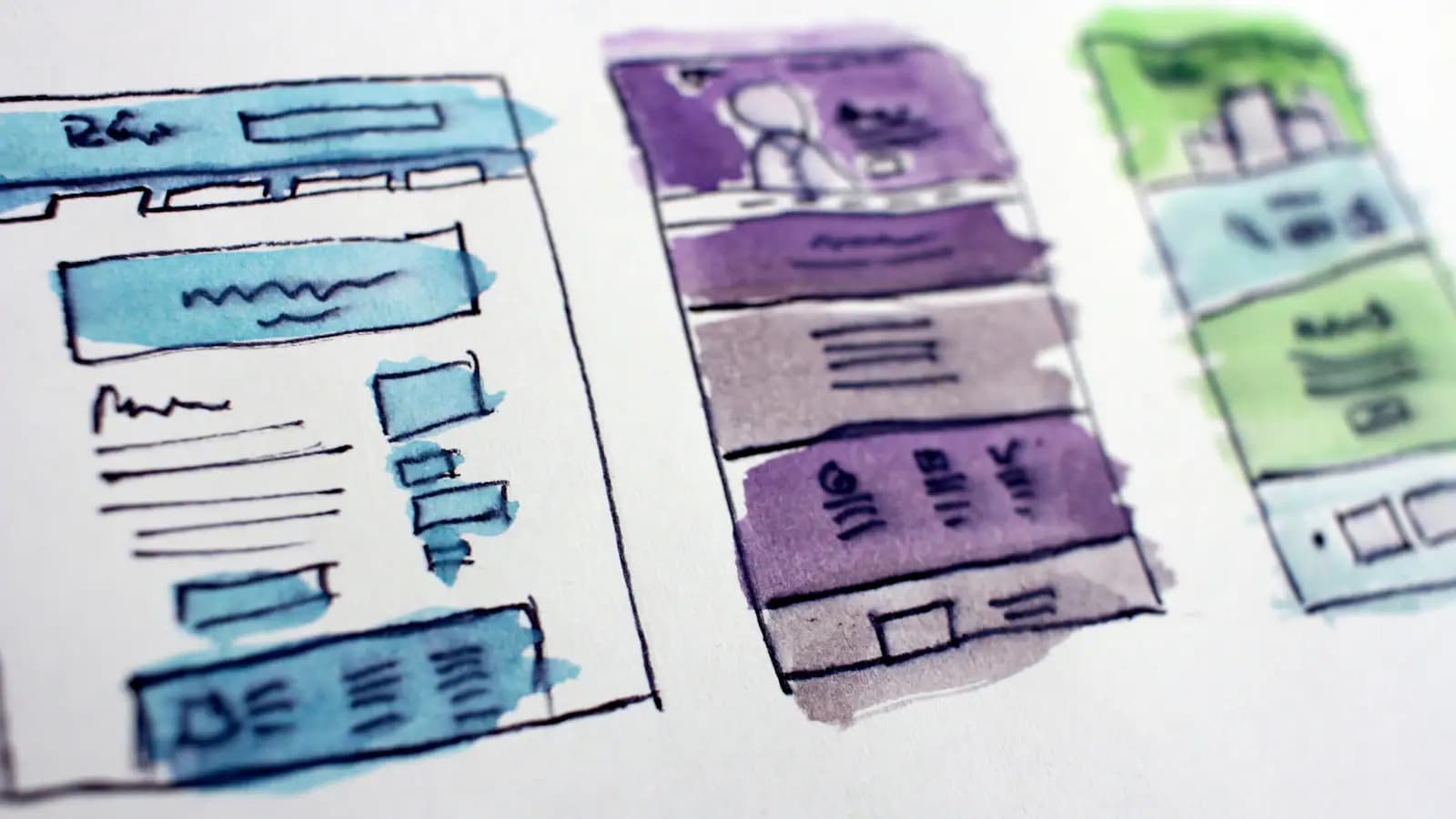
A serious UI/UX company delivers a design system and buildable files, not attractive screenshots.

Software Development Cost in Saudi Arabia
Software cost follows integration count and business logic complexity, not screen count. A ten-screen system connecting to e-invoicing, inventory and payment costs…

POS System Development
A POS is judged by entry speed at peak and by whether it works offline. A purely cloud system that stops when the network drops stops sales, which no real point of…