Online Ordering System for Restaurants in Egypt
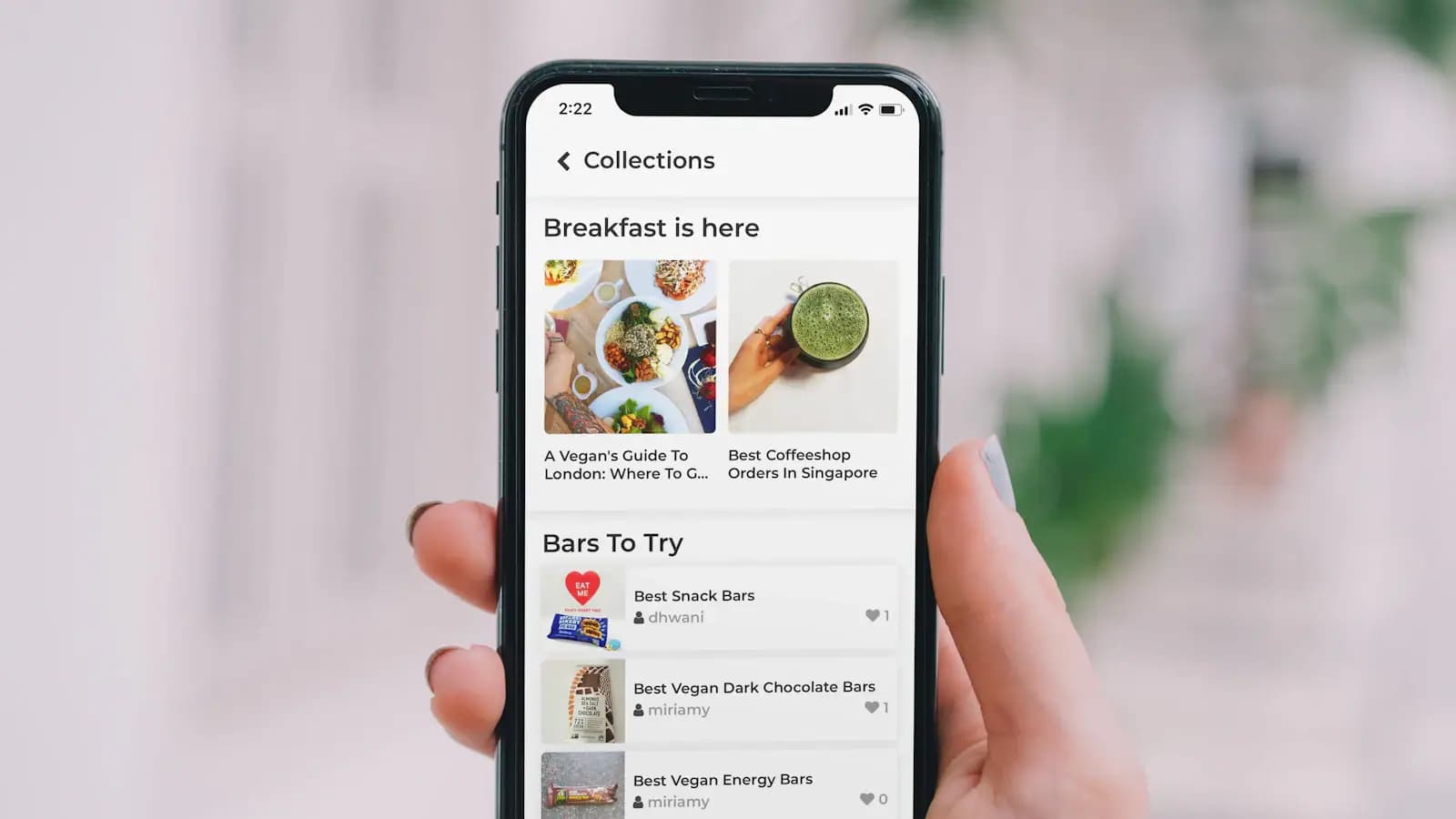
Online Ordering System for Restaurants in Egypt
A direct ordering channel saves the delivery platform commission — typically 15% to 30% of order value — and gives you the customer data that otherwise stays with…
In short: A direct ordering channel saves the delivery platform commission — typically 15% to 30% of order value — and gives you the customer data that otherwise stays with the platform. Break-even usually arrives after a few hundred orders a month.
What is Online Ordering System for Restaurants?
It is a website or app under the restaurant's own name that takes orders directly and routes them to the kitchen screen. The substantive difference from platforms is not technology but ownership: the customer's number and order history stay with you, so you can reach them again without paying commission twice.
Why Online Ordering System for Restaurants is worth the investment in Egypt
- Order accuracy at peak: An order appearing straight on the kitchen screen removes handwriting errors and forgotten items.
- Control over item cost: Linking recipes to inventory deducts ingredients with every order and reveals real wastage.
- Faster service per table: Reducing table turn time increases daily orders without expanding the premises.
- A direct ordering channel: Your own app or site saves delivery platform commission on repeat orders.
Who needs Online Ordering System for Restaurants?
- Restaurants where delivery is a large share of sales and commission is eroding margin
- Restaurants with a repeat customer base they want to move onto their own channel
- Chains wanting offers and a loyalty programme that platforms do not allow
Core capabilities
- A live-updated digital menu: Sold-out items hidden immediately rather than the order being cancelled after acceptance.
- Cash and electronic payment: Cash on delivery alongside Fawry and Paymob, because cash remains the most used option.
- Order tracking: Clear states from confirmed to preparing to out for delivery, cutting chase calls.
- Offers and loyalty: Discount codes and points redeemable on the next order, encouraging repeat business on your channel rather than the platform's.
Technologies and tools
These are the tools we actually use on Online Ordering System for Restaurants projects. Which ones apply depends on the size and budget of the project, not on what is newest:
- POS systems
- KDS
- Foodics
- Odoo Restaurant
- Flutter
- Thermal printers
- Payment terminals
Cost and timeline in Egypt
| Tier | Scope | Indicative cost (EGP) | Duration |
|---|---|---|---|
| Starter | Limited scope, core functionality | 40,000 - 100,000 | from 4 weeks |
| Standard | Full scope with integrations | 100,000 - 300,000 | 4-14 weeks |
| Advanced | Enterprise scope, complex integrations | 300,000+ | 14+ weeks |
These are indicative 2026 ranges for the Egypt market, not a quotation. Actual cost is set after a scoping session, and the largest driver is usually the number of external integrations rather than the number of screens.
How a Online Ordering System for Restaurants project runs
1. Building the menu and recipes
Entering items, options and modifiers and linking them to ingredients — the stage that determines cost accuracy later.
2. POS and screen setup
Configuring cashier terminals, the kitchen display and printers, and mapping sections to stations.
3. Connecting order channels
Wiring dine-in, the app and delivery platforms into the same system to avoid entering orders twice.
4. Inventory and supplier setup
Defining units of measure, reorder points and linking purchasing to suppliers.
5. Training and go-live
Training cashiers and kitchen during quiet hours, then going live with the first peak watched closely.
Best practices
- Design the digital menu for fewest taps: A cashier at peak needs an item in two taps, not down a nested menu.
- Split kitchen screens by section: Grill, drinks and desserts each run at a different rhythm and need their own screen.
- Count stock regularly: Comparing theoretical against actual stock is the only way to find wastage.
- Track preparation times: Average time per item exposes kitchen bottlenecks before customers complain.
- Prepare an offline mode: A network outage at peak must not stop sales; the system works locally and syncs later.
Common mistakes to avoid
- A digital menu that does not match reality: Sold-out items still listed create cancellations and angry customers.
- Skipping recipe linking: Without it the system is only a till and gives no visibility into cost.
- Total dependence on delivery platforms: Commission eats the margin, and the customer base belongs to the platform, not the restaurant.
- Training during peak: A first day of operation at a busy hour guarantees chaos and a bad impression of the system.
- Ignoring peak-hour reports: Scheduling staff without data produces shortages at peak and surplus in the quiet.
What is specific to Egypt
The Egyptian market combines a large population with a deep developer base, which keeps delivery cost relatively lower than the Gulf at comparable technical quality. Against that, exchange rate volatility makes pricing in local currency and contracting in shorter phases safer for both sides.
- Local payment gateways such as Fawry, Paymob and Meeza reach a wide segment that international bank cards do not.
- Cash on delivery remains the most used option in e-commerce and must be supported with clear cash handling in the system.
- Addressing is irregular in many areas, so relying on coordinates and nearby landmarks matters more than the text address field in any delivery system.
- Exchange rate volatility makes pricing in pounds and contracting in short phases safer for both sides than long fixed-price contracts.
Frequently asked questions
Q: Should I drop delivery platforms entirely?
A: Usually not. Platforms bring new customers; your own channel keeps the repeat ones. The aim is to move recurring orders across, not to abandon platforms.
Q: How do I persuade customers to order from my site?
A: An offer that exists nowhere else, a QR code printed on delivery bags, and a slightly lower price reflecting the commission you save.
Q: Do I need my own delivery riders?
A: Not necessarily. The system can connect to a third-party courier, or you can run your own riders nearby and use couriers for longer distances.
Q: Could another developer continue the work?
A: Yes, and it is a standard we hold ourselves to: documented code in a conventional structure with build and deployment documentation, so you are not tied to us for future changes.
Q: How do you handle our existing data?
A: We start by assessing its quality and cleaning it before migration. Messy data migrated as-is produces reports nobody trusts in the new system.
Q: Do you provide team training?
A: Yes — role-based training close to launch rather than months before, with a short usage guide for each screen the team actually uses.
Conclusion
Online Ordering System for Restaurants is less a purely technical decision than an operational one: the difference between a project that lands and one that stalls usually shows up in how clearly the scope was defined before starting, not in the choice of technology. Begin by stating precisely which problem you are solving, then ask any prospective partner how they intend to measure success.
Codlex Tech is a software development company working since 2020 with clients across Saudi Arabia, Egypt and the Middle East on websites, mobile apps, e-commerce, ERP and CRM systems.
Contact: [info.codlextech@gmail.com](mailto:info.codlextech@gmail.com) — [+201223280094](tel:+201223280094) — [codlextech.com](https://www.codlextech.com)
Latest Articles
Restaurant Management Systems in Egypt
A restaurant management system connects the till to the kitchen display and to inventory, deducting each item's ingredients automatically on sale and exposing…
Restaurant POS System in Egypt 2026
A restaurant POS in Egypt must issue receipts compliant with the Tax Authority's e-receipt system and keep working when the internet drops.
Restaurant Reservation System in Egypt
A reservation system reduces empty tables at peak and cuts no-shows through automated confirmation before the booking.
Best Software Companies in Saudi Arabia: A Complete Guide 2026
Choosing a software company is settled by two questions rather than a portfolio: what do I receive at handover, and who could continue the work after you? A company…
Web Development Company in Saudi Arabia: How to Choose the Best
A web development company is judged by what it hands over after launch: source code, deployment documentation, and whether another developer could continue the work.
Mobile App Development Company in Saudi Arabia
An app development company is judged by what happens after launch, not by the launch: who publishes updates, who owns the store accounts, who handles crashes.
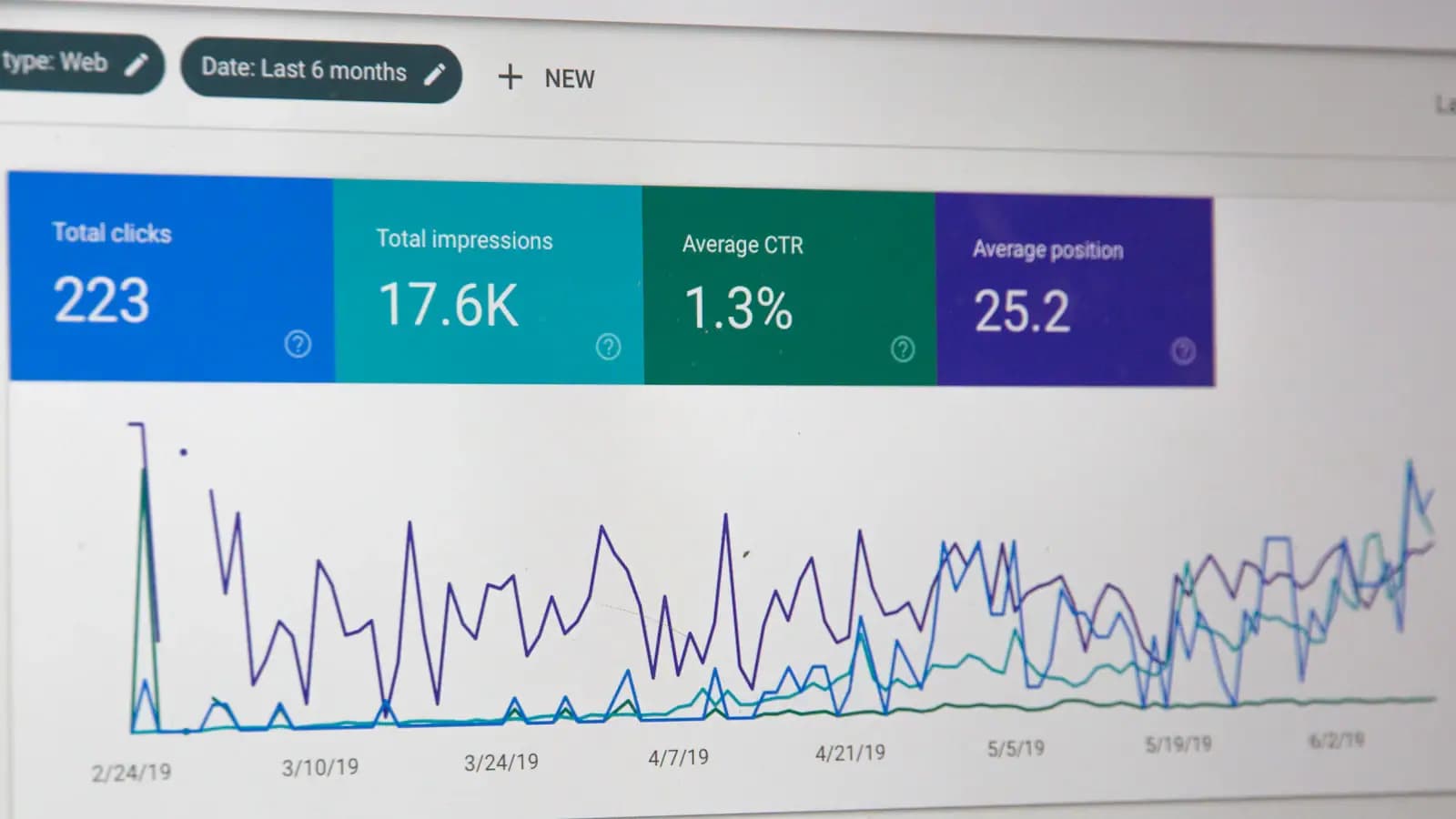
SEO Company in Saudi Arabia: Boost Your Online Presence
A serious SEO company starts with a technical audit and a current-state report before promising any ranking.

Digital Marketing Company in Saudi Arabia
A serious digital marketing agency installs measurement before spending anything. An agency that starts campaigns and reports clicks and impressions without tying…

E-Commerce Development Saudi
An online store in Saudi Arabia has three non-negotiable requirements: Mada support, e-invoicing compliant with the Fatoora system, and full Arabic RTL.
UI/UX Design Company in Saudi Arabia
A serious UI/UX company delivers a design system and buildable files, not attractive screenshots.

Software Development Cost in Saudi Arabia
Software cost follows integration count and business logic complexity, not screen count. A ten-screen system connecting to e-invoicing, inventory and payment costs…
POS System Development
A POS is judged by entry speed at peak and by whether it works offline. A purely cloud system that stops when the network drops stops sales, which no real point of…