Medical Website Design in Egypt: Clinic & Hospital Guide

Medical Website Design in Egypt: Clinic & Hospital Guide
A clinic website is measured by one thing: how many patients booked an appointment through it.
In short: A clinic website is measured by one thing: how many patients booked an appointment through it. Anything that does not serve that — stock photography, long institutional text — pushes the booking button further away and lowers conversion.
What is Medical Website Design?
It introduces the doctor or facility and allows direct booking. It differs from a commercial site in that the patient's decision rests on trust: credentials, patient experiences, and clarity about what is actually offered.
Why Medical Website Design is worth the investment in Egypt
- Less waiting and crowding: Advance booking and slot allocation regulate patient flow and reduce congestion at reception.
- Records available instantly: Patient history and prior tests in front of the doctor during consultation improve decision quality.
- Fewer no-shows: Automated reminders before an appointment lower the absence rate that wastes clinic time.
- More accurate billing and insurance: Linking services to codes and insurers reduces rejected claims.
Who needs Medical Website Design?
- Doctors opening a private practice and building a patient base
- Multi-specialty medical centres needing to present doctors and services
- Clinics currently taking bookings by phone only
Core capabilities
- Booking in three steps: Choose doctor, choose slot, confirm details. Every extra step loses a patient back to the phone.
- Doctor profiles: Credentials, precise specialty and years of experience — what builds trust before booking.
- A page per service: A separate page for each procedure or specialty, because patients search by condition, not by clinic name.
- Location and opening hours: A clear map and current hours, the two pieces of information patients look for most before visiting.
Technologies and tools
These are the tools we actually use on Medical Website Design projects. Which ones apply depends on the size and budget of the project, not on what is newest:
- HL7/FHIR
- Laravel
- PostgreSQL
- Twilio
- WhatsApp Business API
- Role-based access
- Encryption at rest
Cost and timeline in Egypt
| Tier | Scope | Indicative cost (EGP) | Duration |
|---|---|---|---|
| Starter | Limited scope, core functionality | 70,000 - 170,000 | from 6 weeks |
| Standard | Full scope with integrations | 170,000 - 500,000 | 6-20 weeks |
| Advanced | Enterprise scope, complex integrations | 500,000+ | 20+ weeks |
These are indicative 2026 ranges for the Egypt market, not a quotation. Actual cost is set after a scoping session, and the largest driver is usually the number of external integrations rather than the number of screens.
How a Medical Website Design project runs
1. Mapping the patient journey
From booking to reception to consultation to dispensing and follow-up, defining what is recorded at each point.
2. Building the medical record
Defining history, diagnosis and prescription fields appropriate to the specialty.
3. Scheduling and reminders
Setting doctor schedules, consultation slots and reminder channels via SMS or WhatsApp.
4. Billing and insurance
Linking services to prices and insurance policies and preparing claims.
5. Permissions and privacy
Controlling who sees what, and logging every access to a patient record.
Best practices
- Keep booking to three steps: Every extra step in online booking loses a patient back to the phone.
- Design the doctor's screen for speed: A doctor has minutes per patient; the screen shows what matters without navigation.
- Encrypt patient data: Encryption and access restriction are not add-ons but baseline requirements for health data.
- Log every record access: An audit trail protects the clinic and exposes any unjustified access.
- Give patients their own copy: Digital access to reports and prescriptions reduces enquiry calls.
Common mistakes to avoid
- Storing sensitive data unencrypted: The single largest legal and reputational risk a health facility can take.
- A system that does not fit the specialty workflow: Dentistry differs from internal medicine and from labs; a generic system serves none of them well.
- Skipping appointment reminders: A high no-show rate costs the clinic more than the system itself.
- Double entry between reception and doctor: Data typed twice means errors and wasted time.
- No privacy training: Most medical data breaches come from human practice, not a technical vulnerability.
What is specific to Egypt
The Egyptian market combines a large population with a deep developer base, which keeps delivery cost relatively lower than the Gulf at comparable technical quality. Against that, exchange rate volatility makes pricing in local currency and contracting in shorter phases safer for both sides.
- Local payment gateways such as Fawry, Paymob and Meeza reach a wide segment that international bank cards do not.
- Cash on delivery remains the most used option in e-commerce and must be supported with clear cash handling in the system.
- Addressing is irregular in many areas, so relying on coordinates and nearby landmarks matters more than the text address field in any delivery system.
- Exchange rate volatility makes pricing in pounds and contracting in short phases safer for both sides than long fixed-price contracts.
Frequently asked questions
Q: What is the most important element on a medical site?
A: A booking button visible on every page. Patients usually arrive from a search about symptoms or a specialty, and if they cannot see a clear path to book they leave for a booking platform instead.
Q: Should I publish patient testimonials?
A: Yes, with privacy respected: no patient photograph or data is published without explicit written consent, and text-only reviews are the safer default.
Q: How does the site appear in local search?
A: A page per specialty, a Google Maps listing with details matching the site exactly, and structured data identifying the facility as a clinic with a defined location and hours.
Q: Do you work with clients outside Saudi Arabia and Egypt?
A: Yes, we work with clients across the Gulf and the Middle East. Coordination is remote with regular reviews and short delivery phases.
Q: How do you estimate project duration?
A: After a scoping session establishing requirements and integrations. Estimating before scope is a guess, and any number given on a first call is either padded heavily or will be revised.
Q: What if I am not satisfied with the design?
A: Design goes through agreed revision rounds before development. Changing a design in its own phase takes hours; changing it after development takes days, which is why we settle it early.
Conclusion
Medical Website Design is less a purely technical decision than an operational one: the difference between a project that lands and one that stalls usually shows up in how clearly the scope was defined before starting, not in the choice of technology. Begin by stating precisely which problem you are solving, then ask any prospective partner how they intend to measure success.
Codlex Tech is a software development company working since 2020 with clients across Saudi Arabia, Egypt and the Middle East on websites, mobile apps, e-commerce, ERP and CRM systems.
Contact: [info.codlextech@gmail.com](mailto:info.codlextech@gmail.com) — [+201223280094](tel:+201223280094) — [codlextech.com](https://www.codlextech.com)
Latest Articles

Clinic Management System in Egypt
A clinic management system brings booking, medical records and billing into one path, so patient details are not typed twice between reception and doctor.

Hospital Management System in Egypt
A hospital information system is far larger than a clinic system: it adds inpatient care, theatres, labs, pharmacy and medical stores, and needs a phased rollout…

Telemedicine Platforms in Egypt
A telemedicine platform is not just a video call: it needs booking, payment, a medical record and an electronic prescription for the consultation to be complete.

Best Software Companies in Saudi Arabia: A Complete Guide 2026
Choosing a software company is settled by two questions rather than a portfolio: what do I receive at handover, and who could continue the work after you? A company…
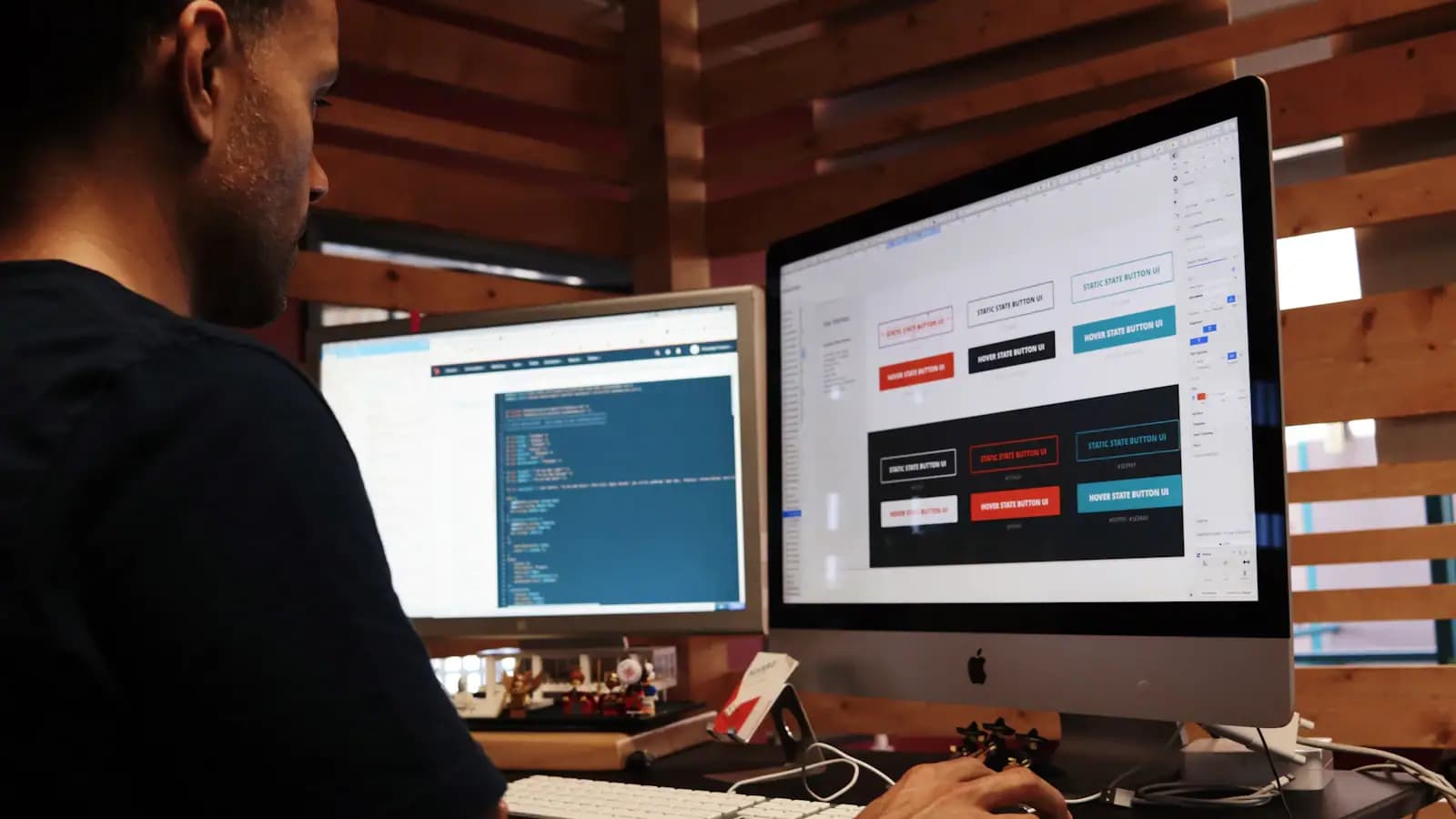
Web Development Company in Saudi Arabia: How to Choose the Best
A web development company is judged by what it hands over after launch: source code, deployment documentation, and whether another developer could continue the work.
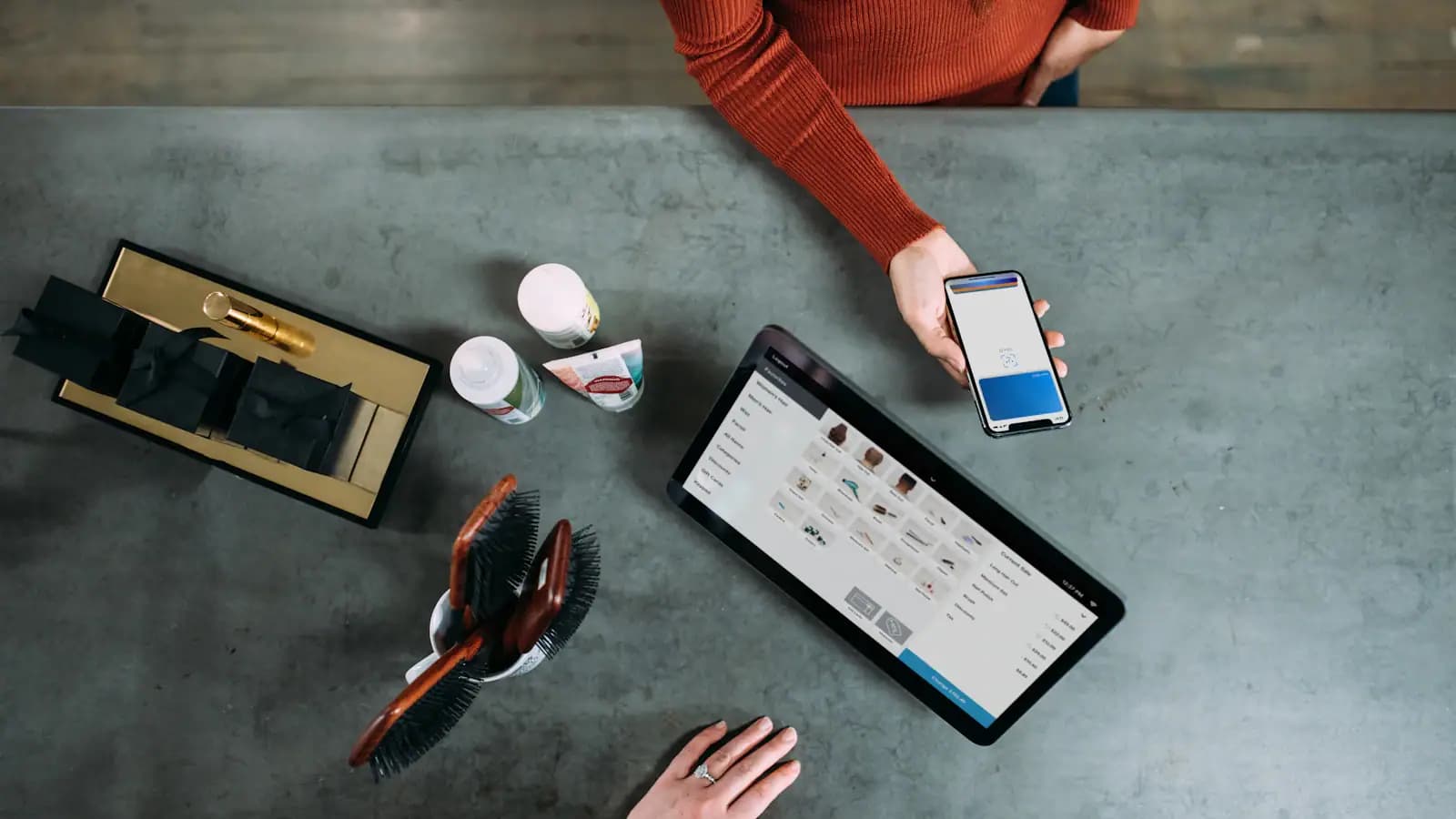
Mobile App Development Company in Saudi Arabia
An app development company is judged by what happens after launch, not by the launch: who publishes updates, who owns the store accounts, who handles crashes.
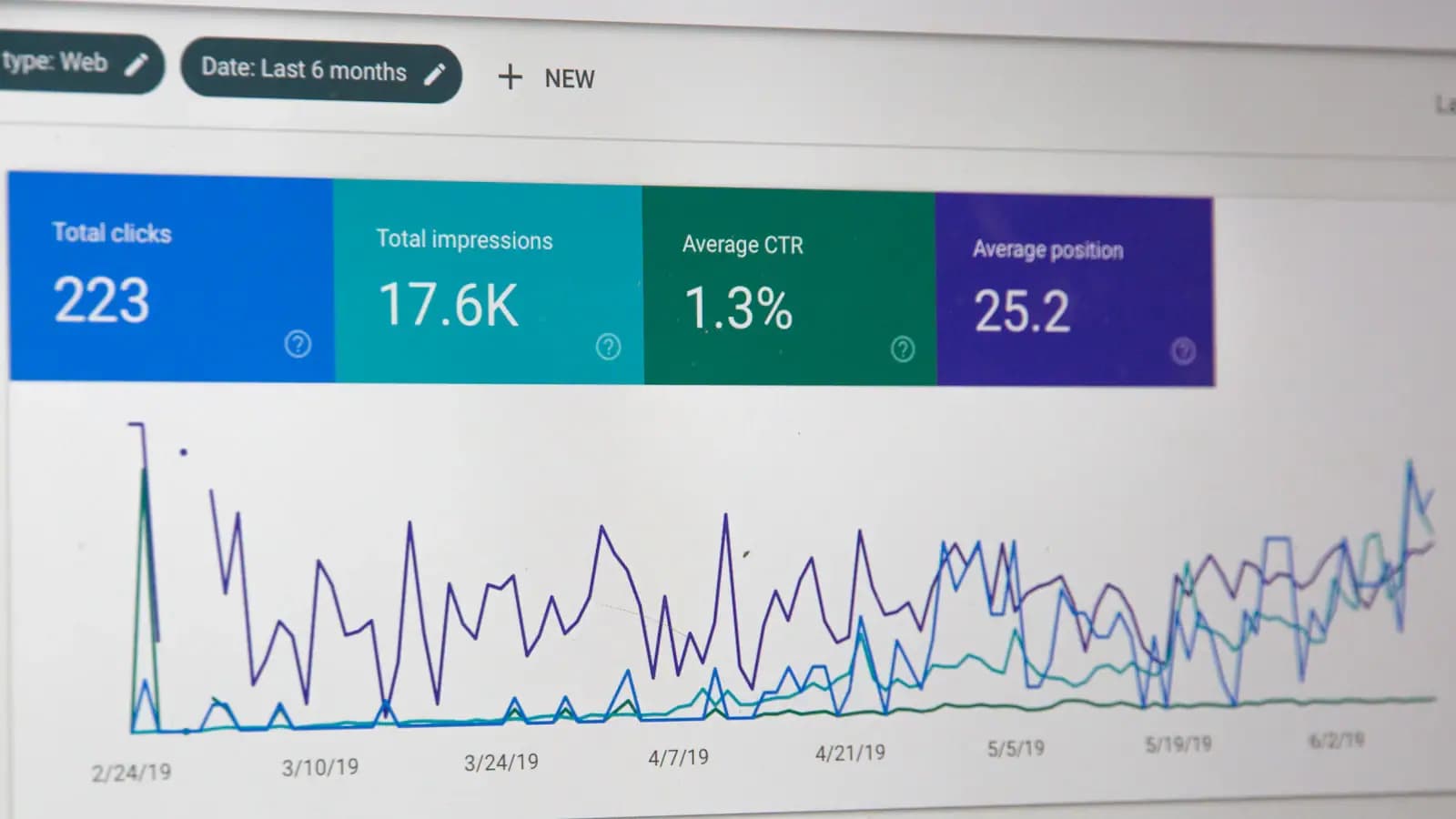
SEO Company in Saudi Arabia: Boost Your Online Presence
A serious SEO company starts with a technical audit and a current-state report before promising any ranking.

Digital Marketing Company in Saudi Arabia
A serious digital marketing agency installs measurement before spending anything. An agency that starts campaigns and reports clicks and impressions without tying…

E-Commerce Development Saudi
An online store in Saudi Arabia has three non-negotiable requirements: Mada support, e-invoicing compliant with the Fatoora system, and full Arabic RTL.
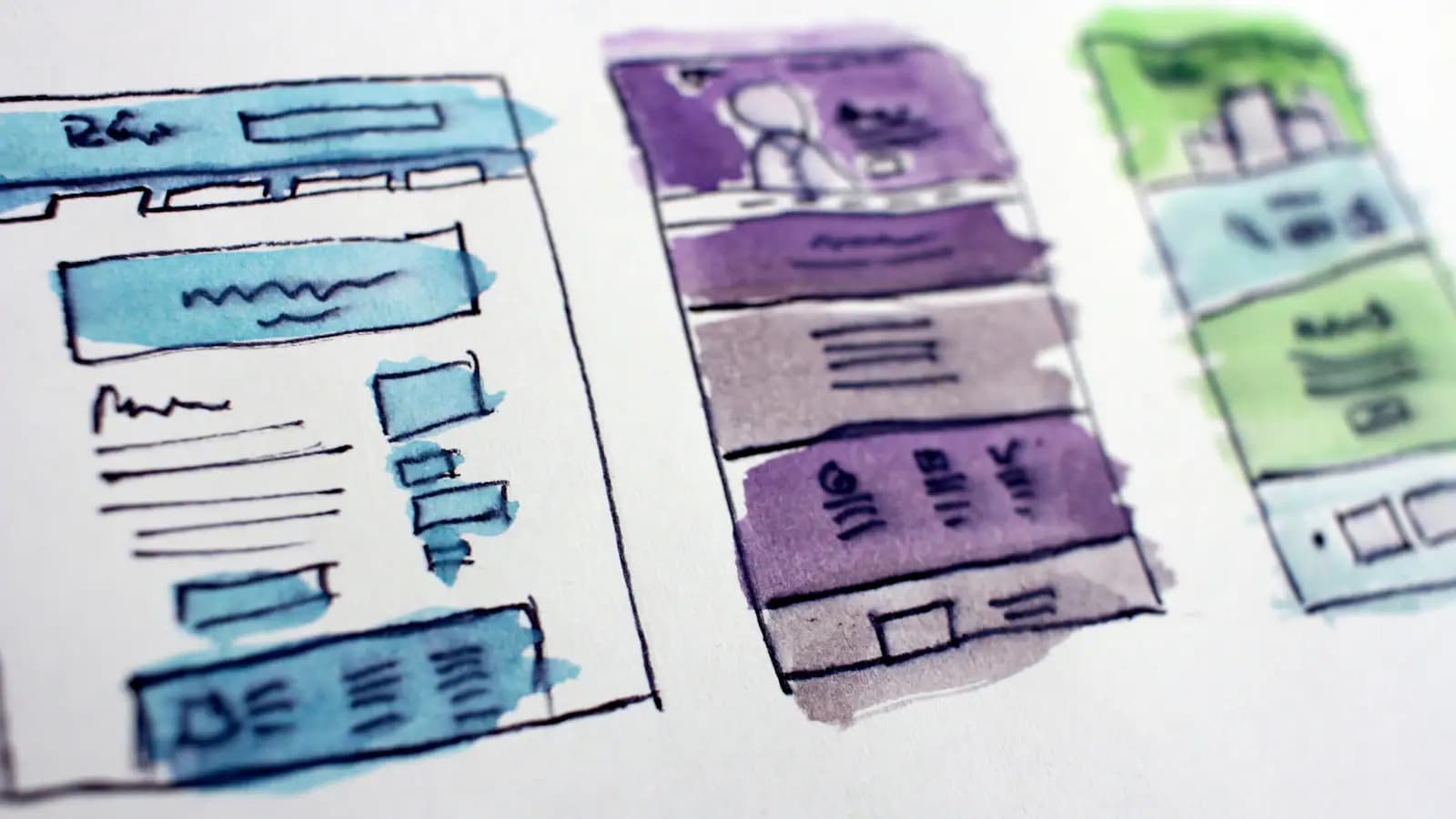
UI/UX Design Company in Saudi Arabia
A serious UI/UX company delivers a design system and buildable files, not attractive screenshots.

Software Development Cost in Saudi Arabia
Software cost follows integration count and business logic complexity, not screen count. A ten-screen system connecting to e-invoicing, inventory and payment costs…

POS System Development
A POS is judged by entry speed at peak and by whether it works offline. A purely cloud system that stops when the network drops stops sales, which no real point of…