Learning Management System (LMS) in Egypt

Learning Management System (LMS) in Egypt
An LMS serves the organisation rather than the individual learner: it manages enrolment, cohorts, reporting and proof of training completion.
In short: An LMS serves the organisation rather than the individual learner: it manages enrolment, cohorts, reporting and proof of training completion. Choosing one starts with a single question — do you need compliance reporting and organisational tracking, or just content hosting?
What is Learning Management System (LMS)?
It is the system an organisation uses to manage training across groups of learners: assigning paths, tracking progress, producing reports. It emphasises administration and tracking more than the individual learning experience.
Why Learning Management System (LMS) is worth the investment in Egypt
- Learning without place or time constraints: Learners take a lesson when it suits them, which opens the market to people who cannot attend in person.
- Accurate progress measurement: Knowing who completed which lesson and where they stopped guides intervention before a learner drops out.
- Lower cost per learner: Content is produced once and delivered to thousands without a room and a trainer per group.
- Instant curriculum updates: Editing one lesson reaches every learner, instead of reprinting materials.
Who needs Learning Management System (LMS)?
- Companies with recurring mandatory training that must be evidenced
- Universities and schools managing courses and student cohorts
- Organisations training partners or distributors outside the company
Core capabilities
- Cohort management and assignment: Assigning a learning path to a whole department or job role with a due date, rather than individual sign-up.
- Compliance reporting: A report showing who completed, who is late and who has not started — the output management and auditors need.
- Content standard support: Importing existing SCORM or xAPI content instead of rebuilding it inside the system.
- HR system integration: Syncing employees and departments automatically so the learner list is not maintained by hand.
Technologies and tools
These are the tools we actually use on Learning Management System (LMS) projects. Which ones apply depends on the size and budget of the project, not on what is newest:
- Moodle
- LearnDash
- Next.js
- HLS video
- Vimeo
- Zoom API
- SCORM
- Firebase
Cost and timeline in Egypt
| Tier | Scope | Indicative cost (EGP) | Duration |
|---|---|---|---|
| Starter | Limited scope, core functionality | 85,000 - 200,000 | from 8 weeks |
| Standard | Full scope with integrations | 200,000 - 600,000 | 8-22 weeks |
| Advanced | Enterprise scope, complex integrations | 600,000+ | 22+ weeks |
These are indicative 2026 ranges for the Egypt market, not a quotation. Actual cost is set after a scoping session, and the largest driver is usually the number of external integrations rather than the number of screens.
How a Learning Management System (LMS) project runs
1. Curriculum design and learning outcomes
Defining what the learner should be able to do after each unit, before producing any content.
2. Content production
Filming and editing lessons and splitting them into short units suited to on-screen attention.
3. Building the platform
Enrolment, learning paths, video player, assessments, certificates and the instructor dashboard.
4. Assessment and interaction
Quizzes, assignments and discussion spaces, because learning without interaction ends in drop-off.
5. Launch and monitoring
Tracking completion rates and stopping points, and reworking the units where learners leak.
Best practices
- Split lessons into short segments: An eight-minute segment is completed far more often than an hour-long lecture.
- Assess after every unit: Immediate recall fixes the material and gives the learner a sense of progress.
- Optimise streaming for weak networks: Multiple quality levels and offline download are baseline requirements in the region.
- Show a progress bar: Seeing the completed percentage is one of the strongest drivers of continuation.
- Issue a verifiable certificate: A certificate with a verification code raises the value of the path for learner and employer alike.
Common mistakes to avoid
- Uploading recorded lectures as-is: A two-hour classroom recording is not digital learning; it just relocates the boredom.
- Ignoring completion rates: A platform with 5% completion produces no educational effect however many enrol.
- Neglecting the mobile experience: A large share of learners watch on a phone in scattered moments.
- No clear path: A library of lessons without ordering leaves the learner unsure where to start.
- Providing no learner support: A question that finds no answer stops that learner at that point permanently.
What is specific to Egypt
The Egyptian market combines a large population with a deep developer base, which keeps delivery cost relatively lower than the Gulf at comparable technical quality. Against that, exchange rate volatility makes pricing in local currency and contracting in shorter phases safer for both sides.
- The e-invoice and e-receipt system is mandatory for registered companies and requires direct integration with the Tax Authority platform.
- VAT is 14% and needs correct handling inside any invoicing or point-of-sale system.
- Local payment gateways such as Fawry, Paymob and Meeza reach a wide segment that international bank cards do not.
- Cash on delivery remains the most used option in e-commerce and must be supported with clear cash handling in the system.
Frequently asked questions
Q: What is the difference between an LMS and a course platform?
A: A course platform sells content to an individual learner. An LMS manages organisational training: it assigns paths to groups, tracks compliance, and produces completion reports management or regulators require.
Q: Moodle or a custom system?
A: Moodle suits standard requirements on a limited budget and is free and well proven. A custom system becomes justified when you need deep integration with your own systems or a fundamentally different user experience.
Q: How do we ensure employees actually complete training?
A: Clear due dates, automated reminders, and a report that reaches the department manager rather than only the employee. Compliance is an administrative matter more than a technical one.
Q: Could another developer continue the work?
A: Yes, and it is a standard we hold ourselves to: documented code in a conventional structure with build and deployment documentation, so you are not tied to us for future changes.
Q: How do you handle our existing data?
A: We start by assessing its quality and cleaning it before migration. Messy data migrated as-is produces reports nobody trusts in the new system.
Q: Do you provide team training?
A: Yes — role-based training close to launch rather than months before, with a short usage guide for each screen the team actually uses.
Conclusion
Learning Management System (LMS) is less a purely technical decision than an operational one: the difference between a project that lands and one that stalls usually shows up in how clearly the scope was defined before starting, not in the choice of technology. Begin by stating precisely which problem you are solving, then ask any prospective partner how they intend to measure success.
Codlex Tech is a software development company working since 2020 with clients across Saudi Arabia, Egypt and the Middle East on websites, mobile apps, e-commerce, ERP and CRM systems.
Contact: [info.codlextech@gmail.com](mailto:info.codlextech@gmail.com) — [+201223280094](tel:+201223280094) — [codlextech.com](https://www.codlextech.com)
Latest Articles

E-Learning Platforms in Egypt: Complete Guide
An e-learning platform is measured by course completion rate, not by enrolments. Platforms that transplant classroom lectures unchanged typically see very low…

Create an Online Course Platform in Egypt
A course platform combines an educational product with an online store: it needs a convincing sales page and payment that works locally as much as it needs a good…

Virtual Classroom Solutions in Egypt: Guide 2026
A virtual classroom differs from a recorded course in being synchronous: everyone is present at the same time, which makes connection stability and interaction…

Best Software Companies in Saudi Arabia: A Complete Guide 2026
Choosing a software company is settled by two questions rather than a portfolio: what do I receive at handover, and who could continue the work after you? A company…
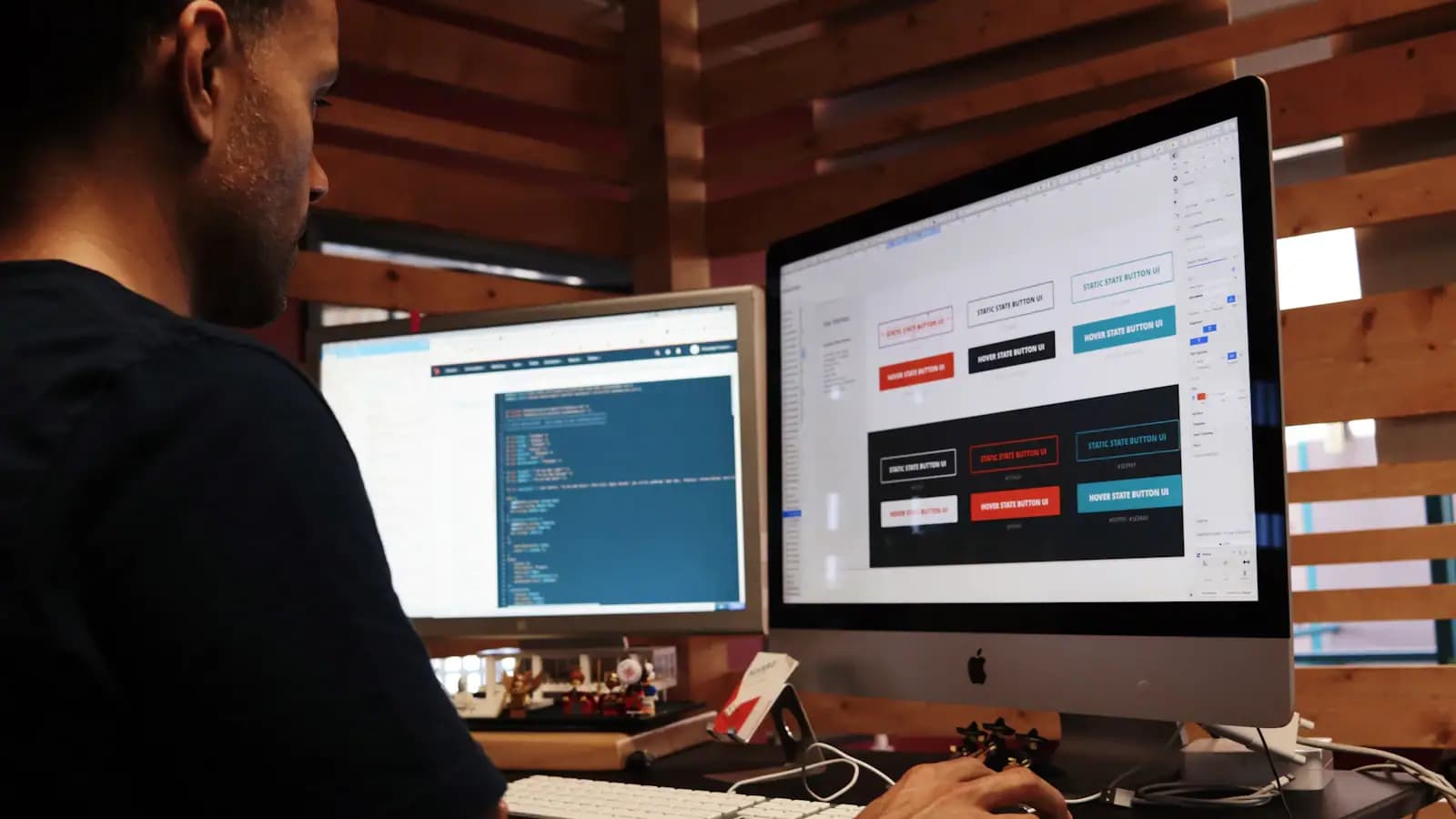
Web Development Company in Saudi Arabia: How to Choose the Best
A web development company is judged by what it hands over after launch: source code, deployment documentation, and whether another developer could continue the work.

Mobile App Development Company in Saudi Arabia
An app development company is judged by what happens after launch, not by the launch: who publishes updates, who owns the store accounts, who handles crashes.
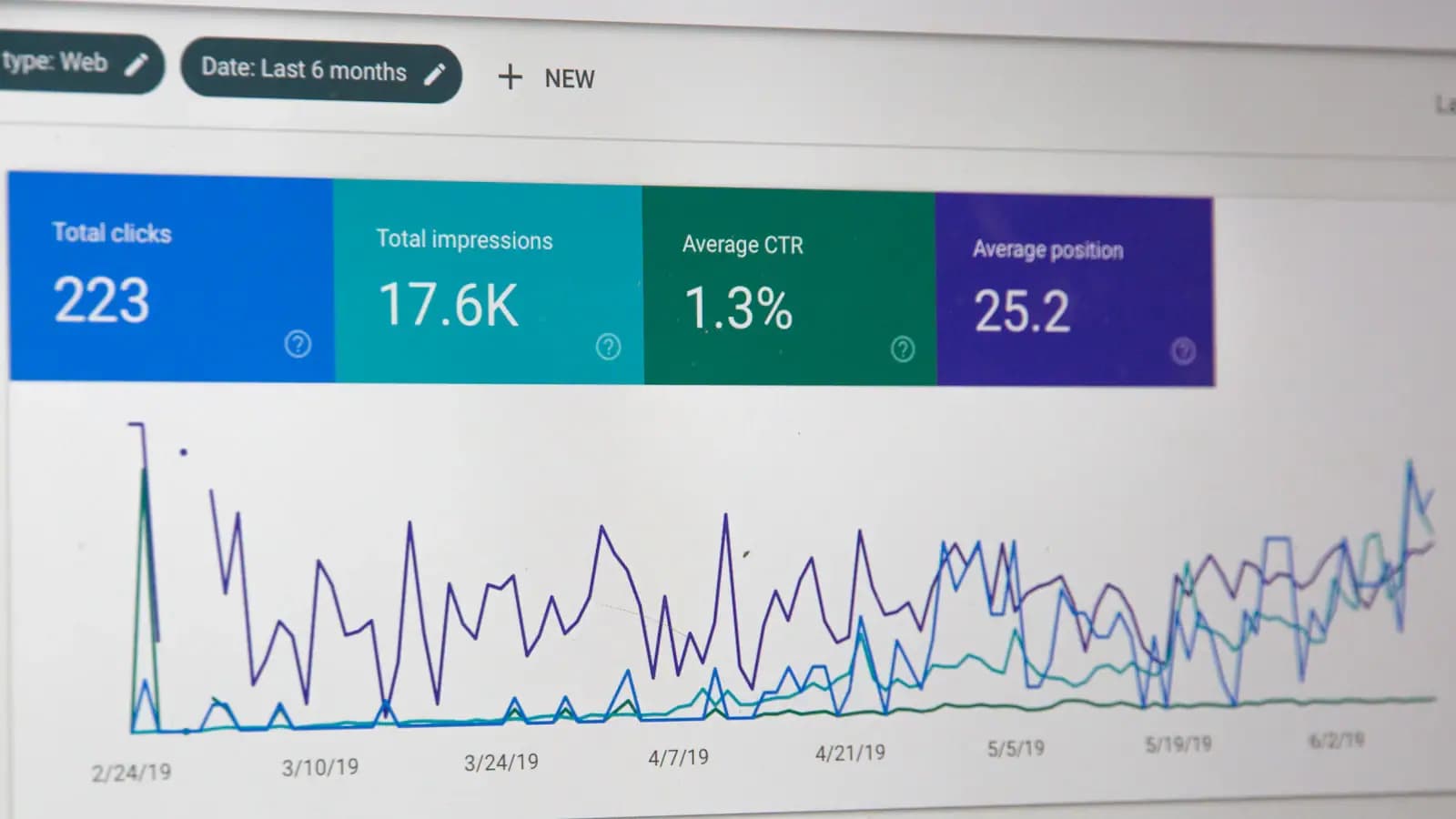
SEO Company in Saudi Arabia: Boost Your Online Presence
A serious SEO company starts with a technical audit and a current-state report before promising any ranking.

Digital Marketing Company in Saudi Arabia
A serious digital marketing agency installs measurement before spending anything. An agency that starts campaigns and reports clicks and impressions without tying…

E-Commerce Development Saudi
An online store in Saudi Arabia has three non-negotiable requirements: Mada support, e-invoicing compliant with the Fatoora system, and full Arabic RTL.

UI/UX Design Company in Saudi Arabia
A serious UI/UX company delivers a design system and buildable files, not attractive screenshots.

Software Development Cost in Saudi Arabia
Software cost follows integration count and business logic complexity, not screen count. A ten-screen system connecting to e-invoicing, inventory and payment costs…

POS System Development
A POS is judged by entry speed at peak and by whether it works offline. A purely cloud system that stops when the network drops stops sales, which no real point of…