IT Infrastructure Solutions in Saudi Arabia

IT Infrastructure Solutions in Saudi Arabia
IT infrastructure is noticed only when it fails. Investing in it is justified not by a new capability but by reduced downtime: an hour of outage in a mid-sized…
In short: IT infrastructure is noticed only when it fails. Investing in it is justified not by a new capability but by reduced downtime: an hour of outage in a mid-sized company usually costs more than the gap between a cheap solution and a reliable one.
What is IT Infrastructure Solutions?
It covers networks, servers, storage, backup and security — the foundation every system runs on. Its central decision is how to divide what stays on-premise from what moves to the cloud.
Why IT Infrastructure Solutions is worth the investment in Saudi Arabia
- Avoiding an expensive decision: Choosing the wrong platform costs many times the consulting fee that would have prevented it.
- An opinion not tied to a vendor: A consultant who does not sell the product evaluates it more neutrally than a sales representative.
- Faster decisions: Weeks of internal comparison are compressed by prior experience with similar cases.
- A realistic readiness assessment: Knowing whether the company is actually ready for the system it wants prevents a stalled project.
Who needs IT Infrastructure Solutions?
- Companies suffering repeated outages or slow internal networks
- Companies opening a new office or branch
- Companies that have outgrown their existing infrastructure
Core capabilities
- Network design and segmentation: Separating guest, management and operational networks — a basic security measure neglected in many offices.
- Tested backups: Scheduled copies in more than one location with periodic restore testing, because an untested backup is an assumption rather than a guarantee.
- Monitoring and alerting: Detecting faults and abnormal consumption before users report them.
Technologies and tools
These are the tools we actually use on IT Infrastructure Solutions projects. Which ones apply depends on the size and budget of the project, not on what is newest:
- Process mapping
- TCO analysis
- Vendor scorecards
- Architecture review
- Miro
- Power BI
Cost and timeline in Saudi Arabia
| Tier | Scope | Indicative cost (SAR) | Duration |
|---|---|---|---|
| Starter | Limited scope, core functionality | 8,000 - 20,000 | from 2 weeks |
| Standard | Full scope with integrations | 20,000 - 60,000 | 2-8 weeks |
| Advanced | Enterprise scope, complex integrations | 60,000+ | 8+ weeks |
These are indicative 2026 ranges for the Saudi Arabia market, not a quotation. Actual cost is set after a scoping session, and the largest driver is usually the number of external integrations rather than the number of screens.
How a IT Infrastructure Solutions project runs
1. Scoping session
Establishing the real question to be answered, which is usually not the question asked at the start.
2. Data gathering and interviews
Interviewing the people who do the work daily, not only those who describe the process in theory.
3. Current-state analysis
Documenting systems, processes and their actual costs, and identifying the gaps.
4. Building and comparing options
Presenting alternatives with cost, risk and timeline for each, rather than a single recommendation.
5. An actionable roadmap
Ordered steps with priorities, resources and owners — not a report that goes in a drawer.
Best practices
- Ask for options, not one answer: A good report lays out alternatives and trade-offs and leaves the decision to the business owner.
- Attach a number to every recommendation: A recommendation without cost or expected impact is hard to decide on.
- Involve the operations team early: Recommendations the implementers do not believe in are not applied, however correct they are.
- Set a clear time box: Open-ended consulting turns into recurring meetings with no deliverables.
- Agree the success criteria: How will we know in six months that this was right? That must be answered before starting.
Common mistakes to avoid
- Engaging a consultant after deciding: Using them to justify a decision already made wastes the fee and reduces no risk.
- Withholding information: An assessment built on an incomplete picture necessarily produces a wrong recommendation.
- Hiring a consultant who sells the solution: The conflict of interest makes the recommendation predictable in advance.
- Expecting delivery within the consulting scope: Advice and implementation are different scopes with different pricing and timelines.
- Allocating no resources to act on it: A roadmap without budget and a team stays a document.
What is specific to Saudi Arabia
The Saudi market operates under Vision 2030, which has pushed government and semi-government bodies to require specific levels of digitisation from their suppliers. In practice that means a company dealing with a government entity needs compliant e-invoicing and integration with national platforms, not merely an internal system that works.
- VAT is 15% and must appear clearly on invoices and in system reports.
- Right-to-left Arabic support is a baseline requirement for local user acceptance, not an optional extra.
- Local payment rails such as Mada and Apple Pay carry a large share of transactions and must be supported alongside international cards.
- The Wage Protection System requires salaries to be paid through approved channels, so any HR system must export files in the required format.
Frequently asked questions
Q: On-premise or cloud?
A: Usually a mix. Systems needing low latency or subject to data residency stay on-premise; the rest moves to the cloud where elasticity is higher and maintenance is the provider's responsibility.
Q: How often should I test backups?
A: At least quarterly, with an actual restore rather than checking files exist. Most companies discover their backups are unrecoverable at the exact moment they need them.
Q: What is the most common weak point?
A: No network segmentation and weak permission management. A single flat network where everyone reaches everything means compromising one device opens a path to the whole estate.
Q: What are the payment terms?
A: A 30% deposit at contract, with the balance tied to phase delivery rather than to dates, so you never pay for a phase that has not been delivered.
Q: Who owns the hosting and domain accounts?
A: The client company. We register the domain and hosting in your name and hand over the credentials, because registering them to a vendor makes transferring them later difficult or impossible.
Q: What does the post-delivery warranty cover?
A: Fixing any defect in what was delivered during the agreed warranty period at no cost. New features sit outside the warranty and are scoped separately.
Conclusion
IT Infrastructure Solutions is less a purely technical decision than an operational one: the difference between a project that lands and one that stalls usually shows up in how clearly the scope was defined before starting, not in the choice of technology. Begin by stating precisely which problem you are solving, then ask any prospective partner how they intend to measure success.
Codlex Tech is a software development company working since 2020 with clients across Saudi Arabia, Egypt and the Middle East on websites, mobile apps, e-commerce, ERP and CRM systems.
Contact: [info.codlextech@gmail.com](mailto:info.codlextech@gmail.com) — [+201223280094](tel:+201223280094) — [codlextech.com](https://www.codlextech.com)
Latest Articles

Technical Consulting in Saudi Arabia
Technical consulting is bought before spending, not after. Its cost is a small fraction of what it prevents: choosing the wrong platform or an architecture that…

Technical Team Training in Saudi Arabia
Technical team training usually fails for one reason: it ends and there is no real project to apply it to.

Technology Consulting Retainers in Saudi Arabia
Technology consulting retainers suit companies needing recurring technical judgement without hiring a full-time CTO.

IT Consulting Services in Egypt
IT consulting in Egypt is usually engaged after a project has stalled, when its real value lies before.

Technology Strategy for Businesses in Egypt
Technology strategy connects what you buy to what you want to achieve commercially. Companies buying systems without one end up with ten that do not integrate and a…

Digital Transformation Consulting in Egypt
Digital transformation consulting fails when it ends in a report rather than an executable plan.

Best Software Companies in Saudi Arabia: A Complete Guide 2026
Choosing a software company is settled by two questions rather than a portfolio: what do I receive at handover, and who could continue the work after you? A company…
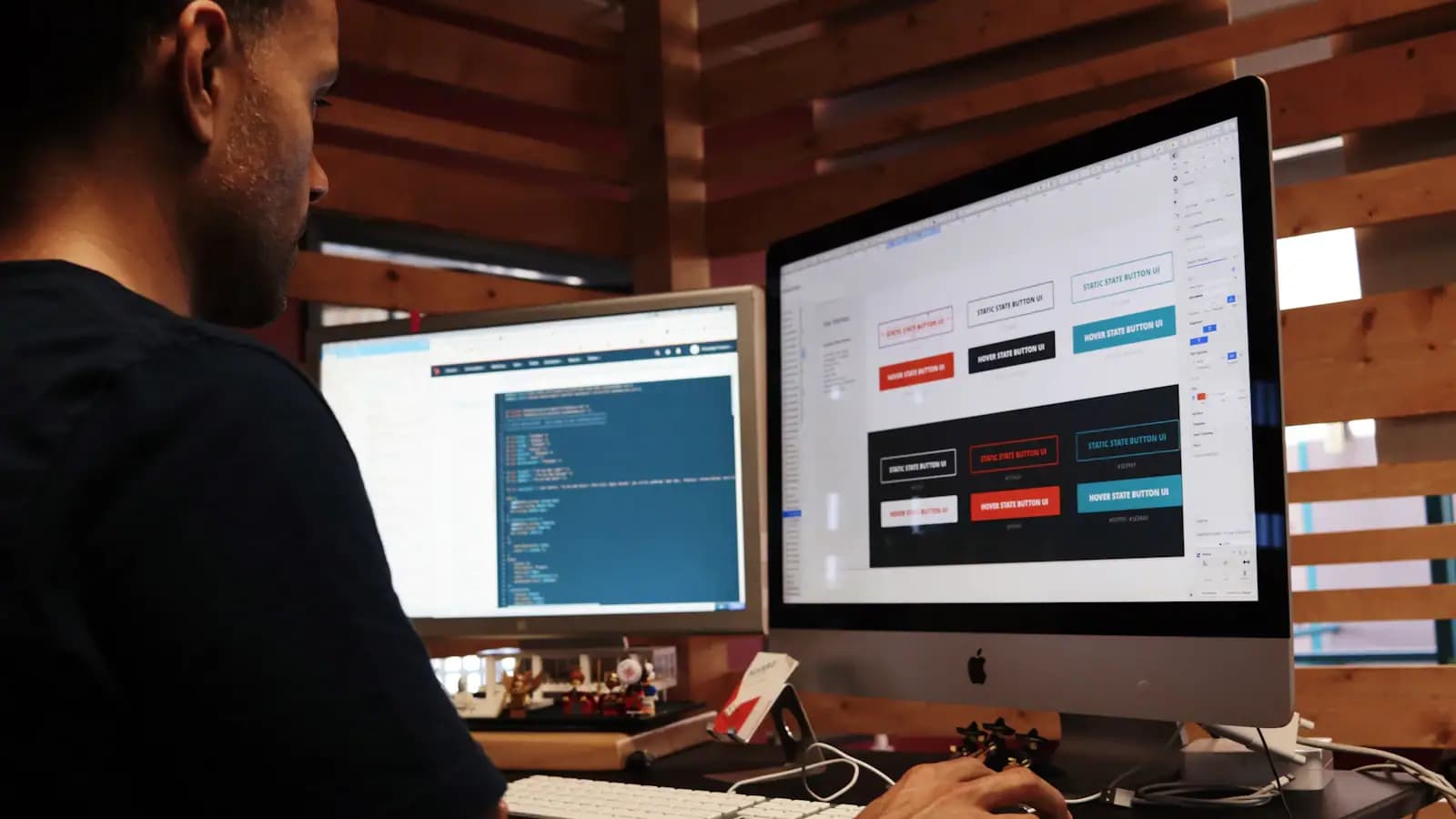
Web Development Company in Saudi Arabia: How to Choose the Best
A web development company is judged by what it hands over after launch: source code, deployment documentation, and whether another developer could continue the work.

Mobile App Development Company in Saudi Arabia
An app development company is judged by what happens after launch, not by the launch: who publishes updates, who owns the store accounts, who handles crashes.
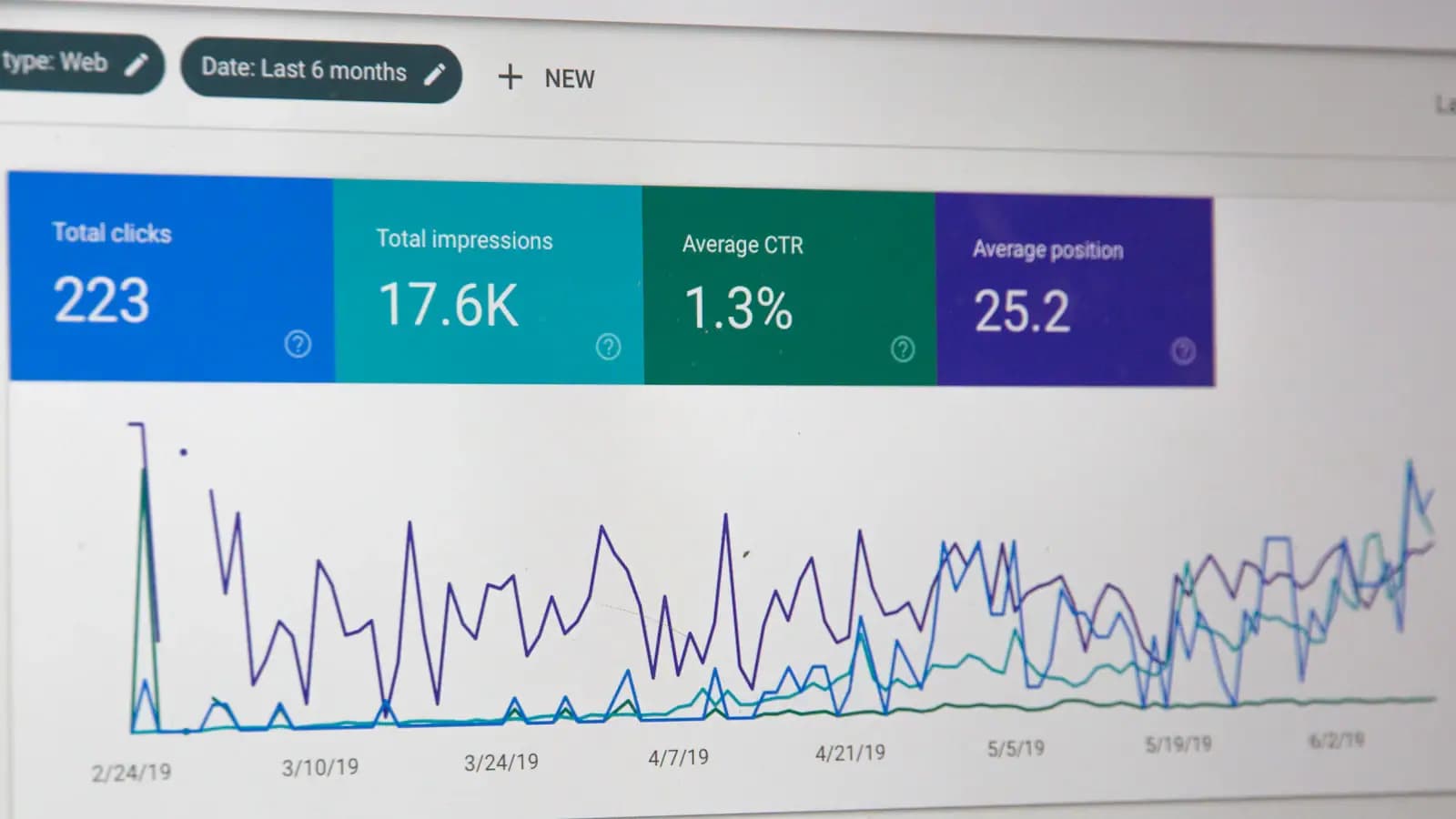
SEO Company in Saudi Arabia: Boost Your Online Presence
A serious SEO company starts with a technical audit and a current-state report before promising any ranking.

Digital Marketing Company in Saudi Arabia
A serious digital marketing agency installs measurement before spending anything. An agency that starts campaigns and reports clicks and impressions without tying…

E-Commerce Development Saudi
An online store in Saudi Arabia has three non-negotiable requirements: Mada support, e-invoicing compliant with the Fatoora system, and full Arabic RTL.