Influencer Marketing in Saudi Arabia: Leverage Social Influence

Influencer Marketing in Saudi Arabia: Leverage Social Influence
Collaborating with a smaller creator whose audience is genuinely interested usually outperforms a large account with a general following.
In short: Collaborating with a smaller creator whose audience is genuinely interested usually outperforms a large account with a general following. The correct measure is not follower count but engagement rate and how well their audience matches your target customer.
What is Influencer Marketing?
Influencer marketing reaches an audience whose trust was built with a person rather than a brand. Its strength is transferred trust; its risk is that the wrong account produces reach without conversion and wastes the entire budget.
Why Influencer Marketing is worth the investment in Saudi Arabia
- Every unit of spend is traceable: Unlike billboards and print, you know exactly how many orders came from each campaign and at what cost.
- Precise targeting: Reaching a specific age band, city and interest cuts waste compared with broadcast advertising.
- Fast, cheap testing: You can test two messages on a small budget before committing to one.
- Retargeting people who visited and did not buy: A visitor who viewed the product and did not finish is the cheapest customer to win back.
Who needs Influencer Marketing?
- Brands targeting a specific age group or interest
- New products needing a credible trial to build trust
- Companies finding direct advertising costs high
Core capabilities
- Selecting on engagement, not followers: Engagement rate and audience match matter more than count, because a large account with an uninterested audience produces no orders.
- Advertising disclosure: Making clear the content is paid — a regulatory requirement in Saudi Arabia and a trust factor with the audience.
- Measurement with dedicated links and codes: A link or code per collaboration to see what it actually produced, because talking about reach alone measures nothing.
Technologies and tools
These are the tools we actually use on Influencer Marketing projects. Which ones apply depends on the size and budget of the project, not on what is newest:
- Google Ads
- Meta Ads Manager
- TikTok Ads
- Snapchat Ads
- Google Analytics 4
- Google Tag Manager
- Looker Studio
Cost and timeline in Saudi Arabia
| Tier | Scope | Indicative cost (SAR) | Duration |
|---|---|---|---|
| Starter | Limited scope, core functionality | 4,000 - 8,000/شهر | from 4 weeks |
| Standard | Full scope with integrations | 8,000 - 25,000/شهر | 4-12 weeks |
| Advanced | Enterprise scope, complex integrations | 25,000+/شهر | 12+ weeks |
These are indicative 2026 ranges for the Saudi Arabia market, not a quotation. Actual cost is set after a scoping session, and the largest driver is usually the number of external integrations rather than the number of screens.
How a Influencer Marketing project runs
1. Defining the goal and the metric
Agreeing what success means — calls, orders or sign-ups — and the acceptable cost for each.
2. Measurement before spend
Installing tracking and conversion events first, because a campaign without measurement is blind spending.
3. Audiences and messaging
Segmenting the audience and writing more than one message and creative to test against each other.
4. Pilot launch
Running on a limited budget to gather enough data before increasing spend.
5. Optimise and scale
Switching off what does not work, raising budget on what does, and refreshing creative before the audience saturates.
Best practices
- Match the ad to the landing page: An ad promising an offer that lands on a generic homepage wastes the click you paid for.
- Test one variable at a time: Changing image, copy and audience together makes it impossible to know what improved.
- Refresh creative regularly: Running the same asset at the same audience raises cost steadily over time.
- Measure cost per customer, not per click: A campaign with cheap clicks and no orders is worse than one with expensive clicks and real orders.
- Always keep a testing budget: Total reliance on one channel leaves you hostage to a change in its policy or pricing.
Common mistakes to avoid
- Spending without conversion tracking: Months of advertising end without knowing which campaign brought which customer.
- Targeting far too broadly: Trying to reach everyone burns budget on people who will not buy.
- Judging a campaign after two days: Platforms need a learning period before performance settles.
- Ignoring landing page quality: The best campaign cannot rescue a slow or unconvincing page.
- Copying competitors' ads: You do not know whether their campaign works at all, and you may be copying a failure.
What is specific to Saudi Arabia
The Saudi market operates under Vision 2030, which has pushed government and semi-government bodies to require specific levels of digitisation from their suppliers. In practice that means a company dealing with a government entity needs compliant e-invoicing and integration with national platforms, not merely an internal system that works.
- Dealings with government entities run through national platforms, and a company unable to integrate with them is excluded before its proposal is assessed.
- Smartphone penetration is high and most browsing and buying happens on mobile, so the mobile experience is the primary one rather than a scaled-down version.
- The technical labour market is competitive, and building internal capability needs a hiring and training plan rather than total reliance on an external vendor.
- E-invoicing (Fatoora) is mandatory for VAT-registered businesses, and any sales system must issue compliant invoices.
Frequently asked questions
Q: How do I choose the right influencer?
A: Review engagement rate rather than follower count, inspect the comments — are they from a real interested audience or generic? — and ask for audience details: age, city and interests.
Q: How do I measure the outcome?
A: With a tracking link or a discount code specific to each collaboration. Without that you cannot tell whether it brought customers or only exposure, which makes evaluation impressionistic.
Q: Is disclosure mandatory?
A: Yes in Saudi Arabia, and undisclosed paid content exposes both parties to liability. Disclosure also does not harm results; audiences accept clear advertising more readily than hidden advertising they discover.
Q: How do you handle our existing data?
A: We start by assessing its quality and cleaning it before migration. Messy data migrated as-is produces reports nobody trusts in the new system.
Q: Do you provide team training?
A: Yes — role-based training close to launch rather than months before, with a short usage guide for each screen the team actually uses.
Q: How long is a maintenance contract and what does it include?
A: Monthly or annual contracts covering security updates, backups, fault resolution and a defined number of hours for small changes.
Conclusion
Influencer Marketing is less a purely technical decision than an operational one: the difference between a project that lands and one that stalls usually shows up in how clearly the scope was defined before starting, not in the choice of technology. Begin by stating precisely which problem you are solving, then ask any prospective partner how they intend to measure success.
Codlex Tech is a software development company working since 2020 with clients across Saudi Arabia, Egypt and the Middle East on websites, mobile apps, e-commerce, ERP and CRM systems.
Contact: [info.codlextech@gmail.com](mailto:info.codlextech@gmail.com) — [+201223280094](tel:+201223280094) — [codlextech.com](https://www.codlextech.com)
Latest Articles

Digital Marketing Company in Saudi Arabia
A serious digital marketing agency installs measurement before spending anything. An agency that starts campaigns and reports clicks and impressions without tying…
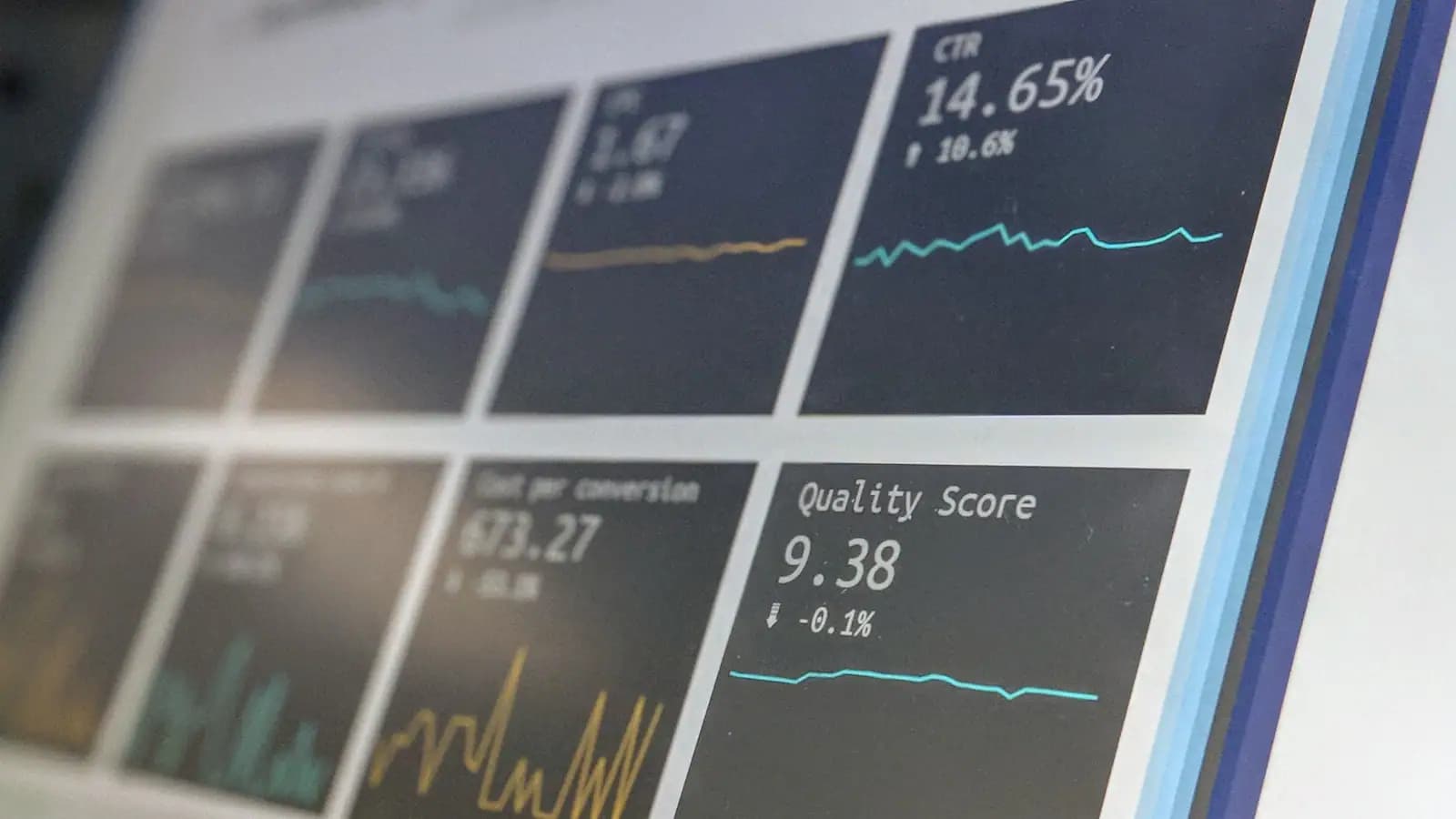
Google Ads in Saudi Arabia
Google Ads works on search intent that already exists, which makes it the channel closest to direct demand.

Social Media Management in Saudi Arabia: Grow Your Brand
Social media management in Saudi Arabia is measured by engagement and conversion, not follower count.

Content Marketing in Saudi Arabia
Content marketing works when it answers a question your customer is actually asking, not when it talks about your company.

App Store Optimisation in Saudi Arabia
App store optimisation works on three elements, ordered by impact: icon and screenshots first, then title and keywords, then reviews.
Facebook and Instagram Ads in Saudi Arabia
Meta ads work on interest rather than search intent, which makes retargeting their strongest use: reaching someone who visited your site and did not buy costs far…
TikTok Marketing in Saudi Arabia
TikTok rewards content rather than account size: a post from a new account can reach hundreds of thousands if it holds the viewer in the first two seconds.
LinkedIn Marketing in Saudi Arabia
LinkedIn is the most expensive channel per click but the most precise for reaching decision-makers: targeting by job title, company size and sector is not available…
Email Marketing in Saudi Arabia
Email marketing remains among the highest-return channels because it addresses a list that opted in voluntarily.

Conversion Rate Optimisation (CRO) in Saudi Arabia
Conversion optimisation is cheaper than buying more traffic: raising conversion from 1% to 1.5% is equivalent to a 50% traffic increase with no extra ad spend.

YouTube Marketing in Saudi Arabia
YouTube is a second search engine rather than a social platform: most educational video views come from search rather than the feed.

Snapchat Marketing in Saudi Arabia
Snapchat has notably strong presence in the Saudi market compared with other markets, which makes it a channel that cannot be ignored when targeting local audiences.