Cloud Security in Egypt: Protecting Your Data

Cloud Security in Egypt: Protecting Your Data
Most cloud security incidents do not come from breaching the provider but from customer misconfiguration: over-broad permissions, publicly open storage, or access…
In short: Most cloud security incidents do not come from breaching the provider but from customer misconfiguration: over-broad permissions, publicly open storage, or access keys exposed in code. Cloud security is a shared responsibility with a clear dividing line.
What is Cloud Security?
Cloud security is controlling who can reach what, encrypting data, and monitoring unusual behaviour. The provider secures the infrastructure; permission configuration, encryption and application protection are yours.
Why Cloud Security is worth the investment in Egypt
- No upfront hardware capital: You start on a small server and grow with demand, instead of buying for a peak that may never arrive.
- Scaling only at peak: A store whose load doubles during a sale raises resources for a few days, then lowers them, and pays accordingly.
- Higher availability: Distribution across more than one data centre keeps the service running when one fails.
- Managed services save build time: Managed databases, storage and backup are ready to use rather than built and maintained yourself.
Who needs Cloud Security?
- Companies that moved to the cloud without a security review
- Companies handling sensitive financial, health or personal data
- Companies with multiple development teams accessing the same environment
Core capabilities
- Identity and access management: Granting each user and service the least privilege sufficient for its work, and reviewing it periodically because permissions accumulate over time.
- Encryption at rest and in transit: Encrypting disks, databases and connections, with managed handling of encryption keys.
- Monitoring and alerting: Detecting unusual activity such as access from a new location or bulk data export.
- Automated configuration scanning: Tools that continuously inspect the estate and surface open storage or an exposed port before it is exploited.
Technologies and tools
These are the tools we actually use on Cloud Security projects. Which ones apply depends on the size and budget of the project, not on what is newest:
- AWS
- Google Cloud
- Microsoft Azure
- Docker
- Kubernetes
- Terraform
- CloudFront
- S3
Cost and timeline in Egypt
| Tier | Scope | Indicative cost (EGP) | Duration |
|---|---|---|---|
| Starter | Limited scope, core functionality | 35,000 - 100,000 | from 4 weeks |
| Standard | Full scope with integrations | 100,000 - 300,000 | 4-16 weeks |
| Advanced | Enterprise scope, complex integrations | 300,000+ | 16+ weeks |
These are indicative 2026 ranges for the Egypt market, not a quotation. Actual cost is set after a scoping session, and the largest driver is usually the number of external integrations rather than the number of screens.
How a Cloud Security project runs
1. System inventory and readiness assessment
Deciding what can move as-is, what needs rebuilding, and what must stay on-premise.
2. Choosing the deployment model
Public, private or hybrid, according to data sovereignty requirements and cost.
3. Network and access design
Isolating environments and setting access control and encryption before any real data moves.
4. Migration in waves
Moving the least sensitive systems first to build experience, then the critical ones.
5. Cost control and monitoring
Enabling alerts and spend limits and reviewing idle resources monthly.
Best practices
- Set spend limits on day one: A surprise cloud bill always comes from a resource left running, not from planned usage.
- Use infrastructure as code: Defining resources in files makes rebuilding an environment deterministic rather than improvised.
- Encrypt in transit and at rest: Partial encryption gives a false sense of security.
- Rehearse restores regularly: An untested backup is an assumption, not a guarantee.
- Track cost per service: Breaking the bill down by service reveals where the spend actually goes.
Common mistakes to avoid
- Lifting and shifting without adaptation: An application designed for a single server gains nothing from the cloud and may cost more than before.
- Leaving test resources running: Forgotten staging environments make up a large share of inflated bills.
- Neglecting access management: Granting broad permissions to make work easier is the leading cause of breach incidents.
- Single-vendor lock-in with no plan: Using highly provider-specific services makes a later move expensive.
- Ignoring data residency: Some sectors require data to remain within national borders.
What is specific to Egypt
The Egyptian market combines a large population with a deep developer base, which keeps delivery cost relatively lower than the Gulf at comparable technical quality. Against that, exchange rate volatility makes pricing in local currency and contracting in shorter phases safer for both sides.
- The local developer base is broad, which keeps delivery cost relatively lower but demands finer discrimination between providers given the quality spread.
- Connection quality varies by area, so systems that stop when the network drops need a local operating mode that syncs later.
- The e-invoice and e-receipt system is mandatory for registered companies and requires direct integration with the Tax Authority platform.
- VAT is 14% and needs correct handling inside any invoicing or point-of-sale system.
Frequently asked questions
Q: What is the most common cloud security mistake?
A: Permissions wider than needed. Granting full access to unblock work and then forgetting to narrow it precedes most incidents. The rule is to start at least privilege and widen only on demonstrated need.
Q: How do I protect access keys?
A: Never write them in code or commit them to a repository. Store them in a secrets manager, rotate them periodically, and grant services access through roles rather than static keys wherever possible.
Q: Who is liable if a breach happens?
A: Responsibility is shared: the provider secures the infrastructure, you are responsible for your configuration, permissions, data and application. Most real incidents occur on the second side.
Q: Do you work with clients outside Saudi Arabia and Egypt?
A: Yes, we work with clients across the Gulf and the Middle East. Coordination is remote with regular reviews and short delivery phases.
Q: How do you estimate project duration?
A: After a scoping session establishing requirements and integrations. Estimating before scope is a guess, and any number given on a first call is either padded heavily or will be revised.
Q: What if I am not satisfied with the design?
A: Design goes through agreed revision rounds before development. Changing a design in its own phase takes hours; changing it after development takes days, which is why we settle it early.
Conclusion
Cloud Security is less a purely technical decision than an operational one: the difference between a project that lands and one that stalls usually shows up in how clearly the scope was defined before starting, not in the choice of technology. Begin by stating precisely which problem you are solving, then ask any prospective partner how they intend to measure success.
Codlex Tech is a software development company working since 2020 with clients across Saudi Arabia, Egypt and the Middle East on websites, mobile apps, e-commerce, ERP and CRM systems.
Contact: [info.codlextech@gmail.com](mailto:info.codlextech@gmail.com) — [+201223280094](tel:+201223280094) — [codlextech.com](https://www.codlextech.com)
Latest Articles

Cloud Computing Solutions in Egypt: Complete Guide
Moving to the cloud in Egypt converts server capital into monthly operating cost, but the saving is not automatic: high bills always come from resources left…

Cloud Migration in Egypt: Migration Guide
Migrating systems to the cloud should happen in waves, not a single move: start with a non-critical system to build experience, then approach the important ones.

Cloud Cost Optimization in Egypt: Savings Guide
Cloud cost optimisation starts with seeing the bill broken down by service and project, because what is not measured cannot be reduced.

Best Software Companies in Saudi Arabia: A Complete Guide 2026
Choosing a software company is settled by two questions rather than a portfolio: what do I receive at handover, and who could continue the work after you? A company…
Web Development Company in Saudi Arabia: How to Choose the Best
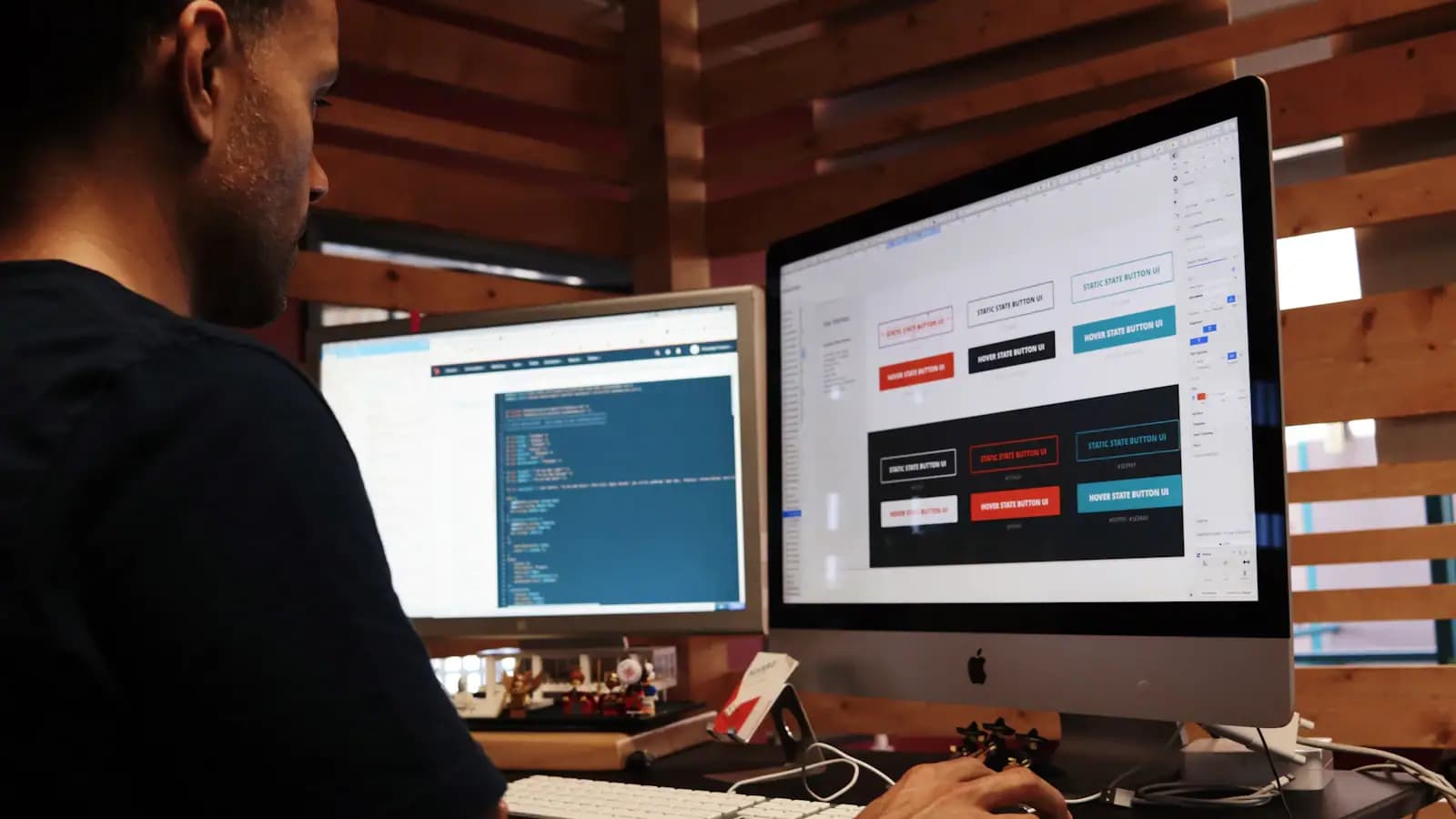
A web development company is judged by what it hands over after launch: source code, deployment documentation, and whether another developer could continue the work.

Mobile App Development Company in Saudi Arabia
An app development company is judged by what happens after launch, not by the launch: who publishes updates, who owns the store accounts, who handles crashes.
SEO Company in Saudi Arabia: Boost Your Online Presence
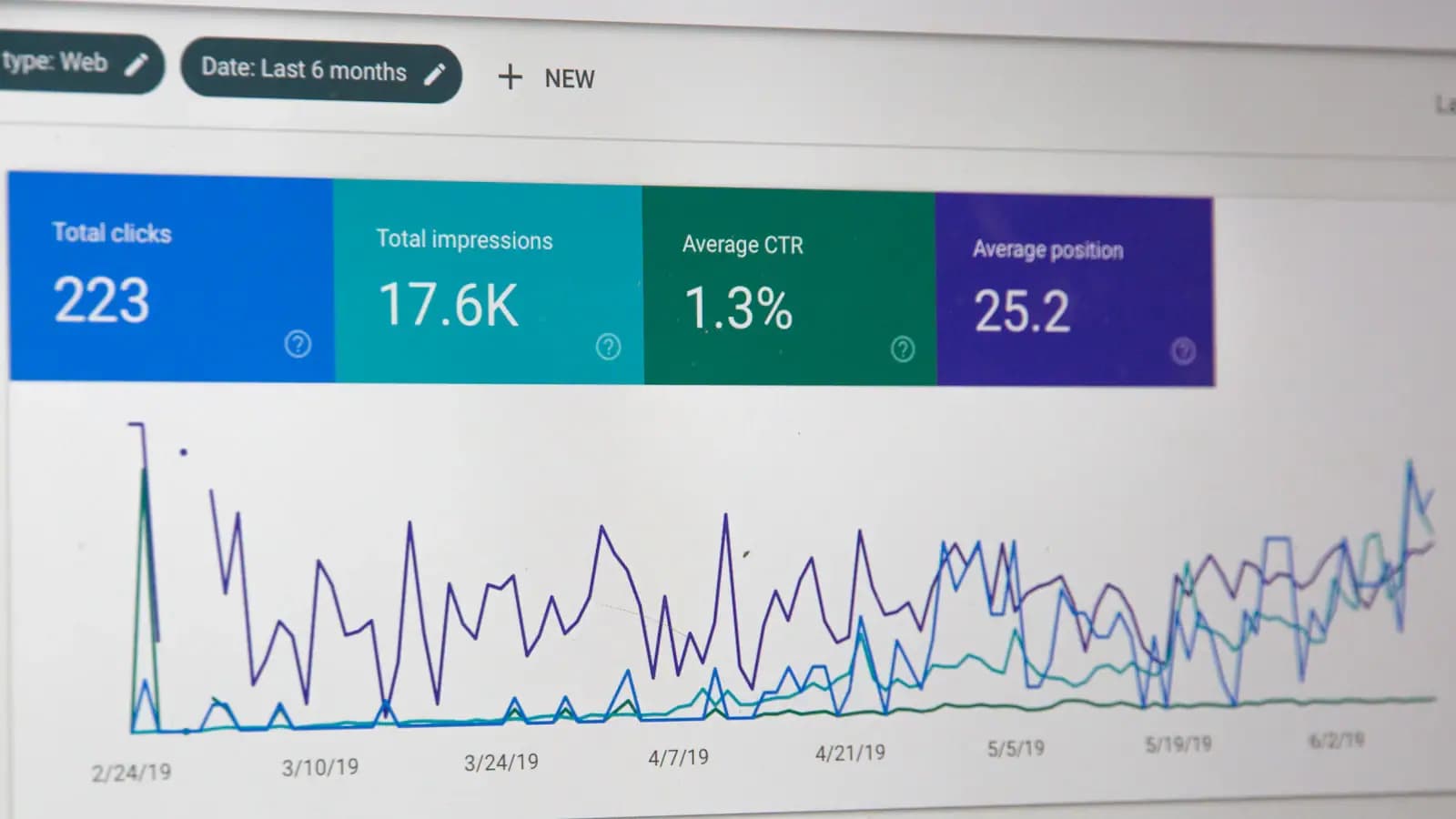
A serious SEO company starts with a technical audit and a current-state report before promising any ranking.

Digital Marketing Company in Saudi Arabia
A serious digital marketing agency installs measurement before spending anything. An agency that starts campaigns and reports clicks and impressions without tying…

E-Commerce Development Saudi
An online store in Saudi Arabia has three non-negotiable requirements: Mada support, e-invoicing compliant with the Fatoora system, and full Arabic RTL.
UI/UX Design Company in Saudi Arabia
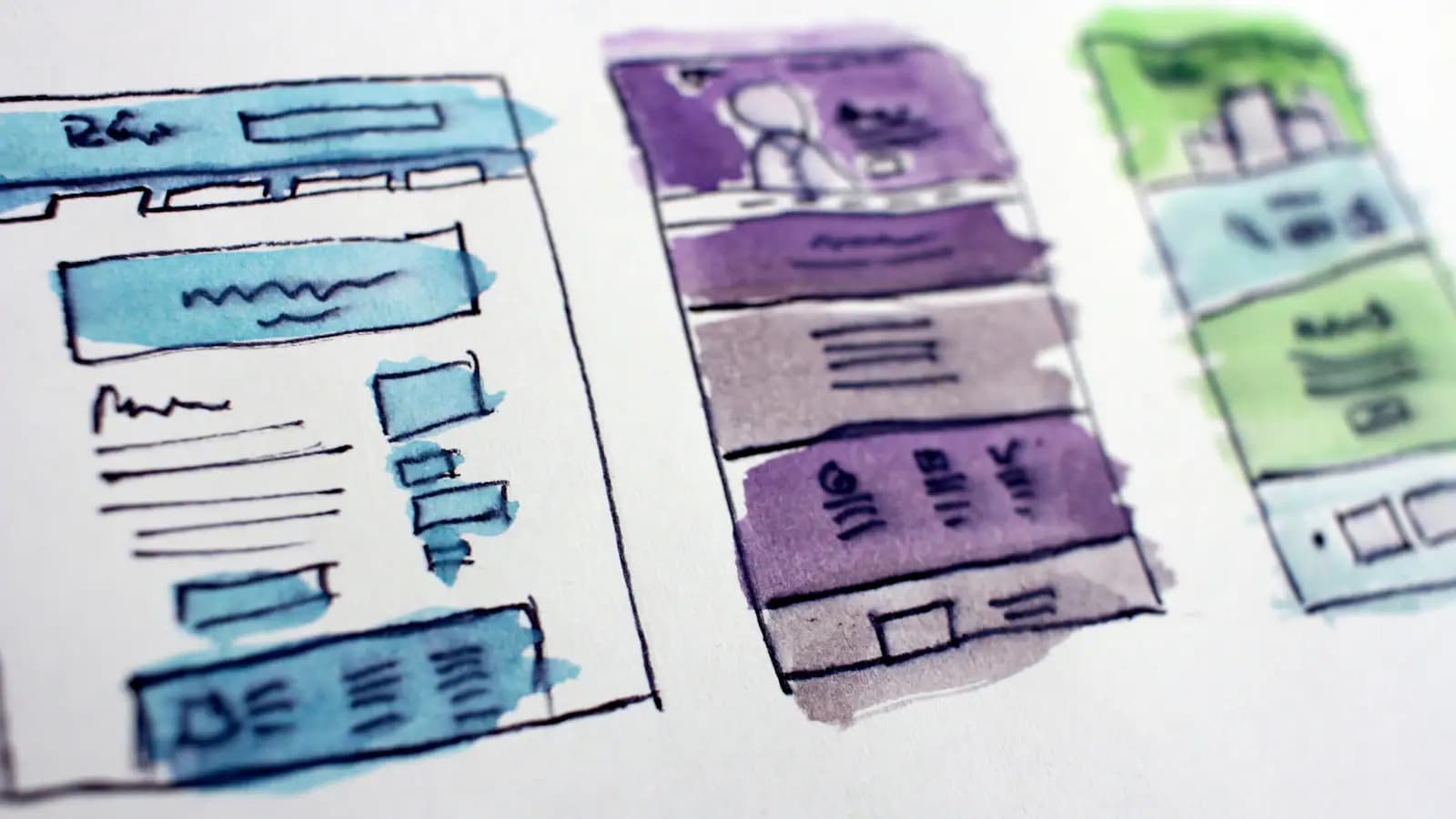
A serious UI/UX company delivers a design system and buildable files, not attractive screenshots.

Software Development Cost in Saudi Arabia
Software cost follows integration count and business logic complexity, not screen count. A ten-screen system connecting to e-invoicing, inventory and payment costs…

POS System Development
A POS is judged by entry speed at peak and by whether it works offline. A purely cloud system that stops when the network drops stops sales, which no real point of…