Accounting Automation in Egypt: Smart Accounting

Accounting Automation in Egypt: Smart Accounting
Accounting automation in Egypt is driven by a regulatory requirement before it is a choice: e-invoicing is mandatory for registered companies and requires direct…
In short: Accounting automation in Egypt is driven by a regulatory requirement before it is a choice: e-invoicing is mandatory for registered companies and requires direct integration with the Tax Authority platform. Automation here is not an improvement but a condition of operating.
What is Accounting Automation?
It moves recurring accounting cycles into the system: issuing invoices and transmitting them, generating entries from their source, bank reconciliation, and preparing returns. The aim is reducing the manual entry that causes most closing errors.
Why Accounting Automation is worth the investment in Egypt
- Eliminating double entry: Manually copying data between systems is the most time-wasting task in most companies and the most error-prone.
- Speed that holds under load: An automated process handles a thousand requests in the time it takes for ten, which no human team can guarantee.
- A logged trail for every step: Each automated run records its timing and inputs, which makes auditing and fault-finding straightforward.
- Less dependence on specific people: A documented, automated process does not stop for a holiday or a resignation.
Who needs Accounting Automation?
- Tax-registered companies issuing electronic invoices manually
- Companies spending significant time reconciling bank statements
- Companies whose monthly close slips because of accumulated data entry
Core capabilities
- Automated e-invoicing: Issuing the invoice and transmitting it to the tax platform directly with a retry queue, rather than uploading files by hand.
- Entries generated at source: Producing journal entries from sales, purchases and inventory directly instead of re-entering them in accounting.
- Bank reconciliation: Importing the statement and matching it automatically against recorded movements, surfacing only the differences.
- Tax reporting: Preparing return data from recorded movements rather than assembling it manually at period end.
Technologies and tools
These are the tools we actually use on Accounting Automation projects. Which ones apply depends on the size and budget of the project, not on what is newest:
- n8n
- Zapier
- Make
- Power Automate
- Python
- UiPath
- Webhooks
- REST APIs
Cost and timeline in Egypt
| Tier | Scope | Indicative cost (EGP) | Duration |
|---|---|---|---|
| Starter | Limited scope, core functionality | 35,000 - 85,000 | from 3 weeks |
| Standard | Full scope with integrations | 85,000 - 230,000 | 3-12 weeks |
| Advanced | Enterprise scope, complex integrations | 230,000+ | 12+ weeks |
These are indicative 2026 ranges for the Egypt market, not a quotation. Actual cost is set after a scoping session, and the largest driver is usually the number of external integrations rather than the number of screens.
How a Accounting Automation project runs
1. Inventory of processes and their frequency
Measuring how often each task recurs and how long it takes — automation is justified by repetition, not complexity.
2. Documenting the current process precisely
Mapping every step, decision and exception; automating a process nobody understands just produces chaos faster.
3. Simplify before automating
Remove unnecessary steps first, because automating a redundant step cements it permanently.
4. Build and pilot
Running the scenario against a limited sample while the manual path stays available as a fallback.
5. Monitor and expand
Tracking success rate and exceptions, then widening the scope to the remaining cases.
Best practices
- Start with one high-frequency process: A visible win on one process builds internal buy-in faster than a company-wide automation programme.
- Design the exception path: What happens when a step fails? Automation without error handling stops silently.
- Keep humans on sensitive decisions: Approving a large payment or cancelling a contract stays a human call, assisted by the system.
- Use APIs, not click simulation: Automation built on mimicking screen clicks breaks with the first interface change.
- Measure the hours actually saved: Compare working hours before and after to know whether the automation is worth maintaining.
Common mistakes to avoid
- Automating a broken process: The result is a broken process that runs faster; fix the path first.
- Automating something that happens monthly: Build and maintenance cost exceeds the time saved.
- Not telling the team: Automation imposed without explanation gets resisted and worked around.
- No monitoring: A scenario that has been failing for two weeks unnoticed means accumulated missing data.
- Connecting systems without normalising data: Mismatched date or phone formats between two systems corrupt the integration silently.
What is specific to Egypt
The Egyptian market combines a large population with a deep developer base, which keeps delivery cost relatively lower than the Gulf at comparable technical quality. Against that, exchange rate volatility makes pricing in local currency and contracting in shorter phases safer for both sides.
- Exchange rate volatility makes pricing in pounds and contracting in short phases safer for both sides than long fixed-price contracts.
- The local developer base is broad, which keeps delivery cost relatively lower but demands finer discrimination between providers given the quality spread.
- Connection quality varies by area, so systems that stop when the network drops need a local operating mode that syncs later.
- The e-invoice and e-receipt system is mandatory for registered companies and requires direct integration with the Tax Authority platform.
Frequently asked questions
Q: Is e-invoicing mandatory?
A: Yes for tax-registered companies in Egypt, with the scope extended progressively to include electronic receipts. Any accounting or POS system must provide this integration out of the box rather than as a later add-on.
Q: How does automation reduce closing errors?
A: By eliminating double entry. Most closing errors come from recording a transaction twice, or recording it in accounting differently from its source. Generating the entry from its source removes that possibility.
Q: Do I need to change my accounting system?
A: Not necessarily. If your system exposes APIs it can be connected to the e-invoicing platform and to other systems. Replacement becomes justified only if the system is closed and accepts no integration.
Q: How do you handle our existing data?
A: We start by assessing its quality and cleaning it before migration. Messy data migrated as-is produces reports nobody trusts in the new system.
Q: Do you provide team training?
A: Yes — role-based training close to launch rather than months before, with a short usage guide for each screen the team actually uses.
Q: How long is a maintenance contract and what does it include?
A: Monthly or annual contracts covering security updates, backups, fault resolution and a defined number of hours for small changes.
Conclusion
Accounting Automation is less a purely technical decision than an operational one: the difference between a project that lands and one that stalls usually shows up in how clearly the scope was defined before starting, not in the choice of technology. Begin by stating precisely which problem you are solving, then ask any prospective partner how they intend to measure success.
Codlex Tech is a software development company working since 2020 with clients across Saudi Arabia, Egypt and the Middle East on websites, mobile apps, e-commerce, ERP and CRM systems.
Contact: [info.codlextech@gmail.com](mailto:info.codlextech@gmail.com) — [+201223280094](tel:+201223280094) — [codlextech.com](https://www.codlextech.com)
Latest Articles

Business Process Automation in Egypt
Automation is justified by repetition, not complexity: a simple process running a hundred times a day deserves it more than a complex one occurring monthly.

Robotic Process Automation (RPA) in Egypt
Robotic process automation simulates user clicks on systems that expose no API, which makes it a practical answer for legacy software.

HR Automation in Egypt: Integrated System
HR automation usually starts with attendance and leave because they are the most repetitive and most disputed.

Best Software Companies in Saudi Arabia: A Complete Guide 2026
Choosing a software company is settled by two questions rather than a portfolio: what do I receive at handover, and who could continue the work after you? A company…
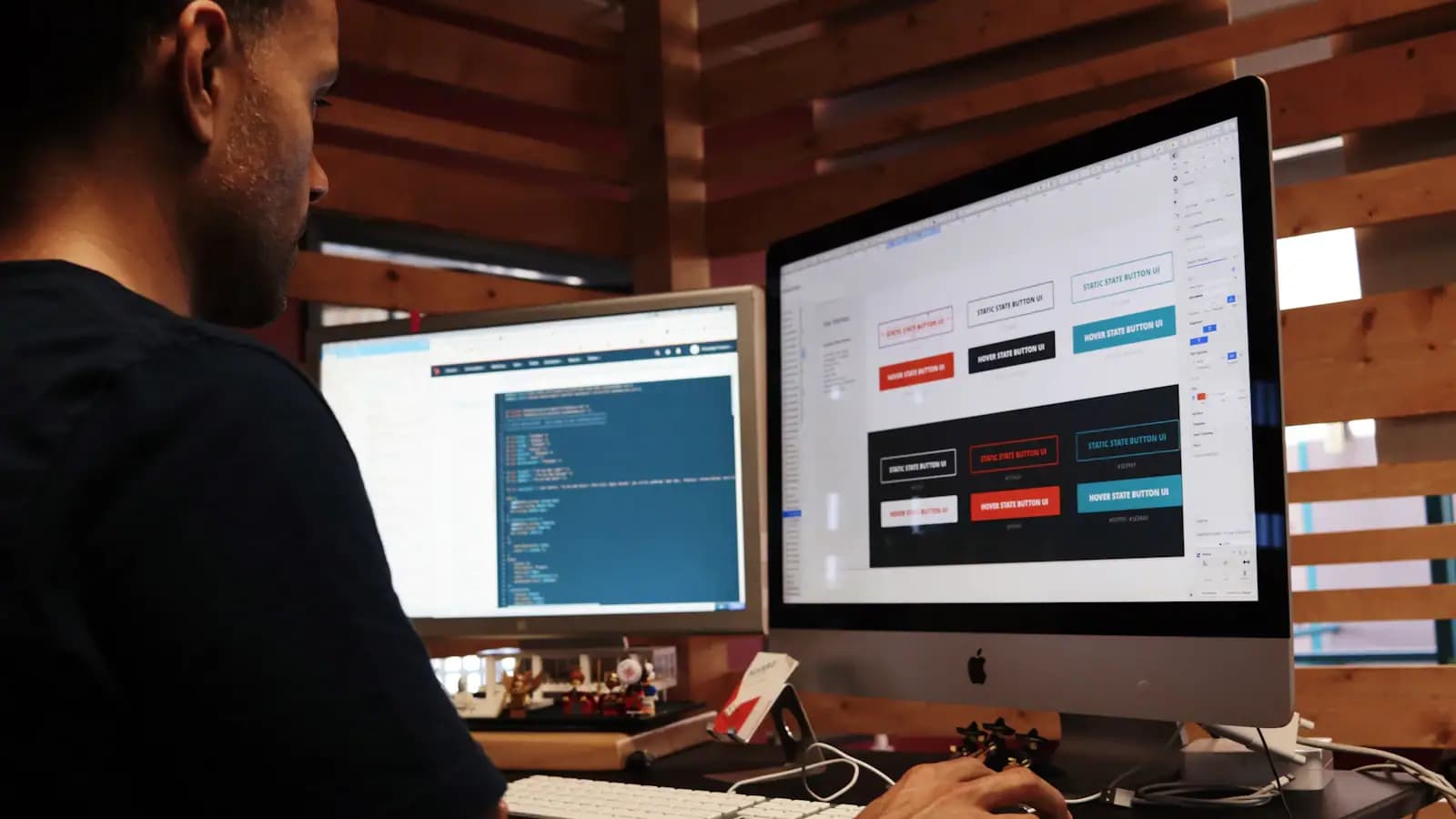
Web Development Company in Saudi Arabia: How to Choose the Best
A web development company is judged by what it hands over after launch: source code, deployment documentation, and whether another developer could continue the work.

Mobile App Development Company in Saudi Arabia
An app development company is judged by what happens after launch, not by the launch: who publishes updates, who owns the store accounts, who handles crashes.
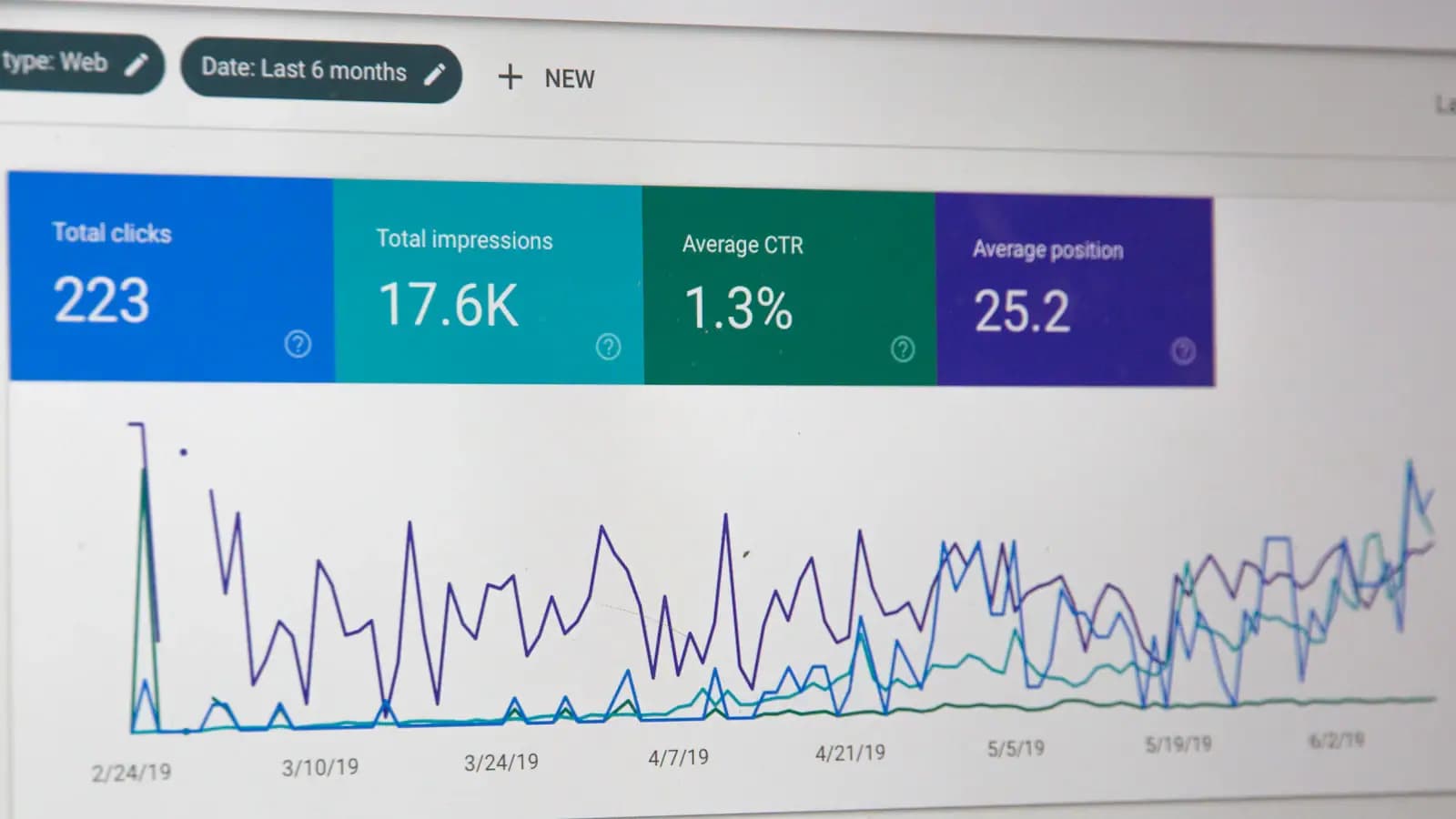
SEO Company in Saudi Arabia: Boost Your Online Presence
A serious SEO company starts with a technical audit and a current-state report before promising any ranking.

Digital Marketing Company in Saudi Arabia
A serious digital marketing agency installs measurement before spending anything. An agency that starts campaigns and reports clicks and impressions without tying…

E-Commerce Development Saudi
An online store in Saudi Arabia has three non-negotiable requirements: Mada support, e-invoicing compliant with the Fatoora system, and full Arabic RTL.
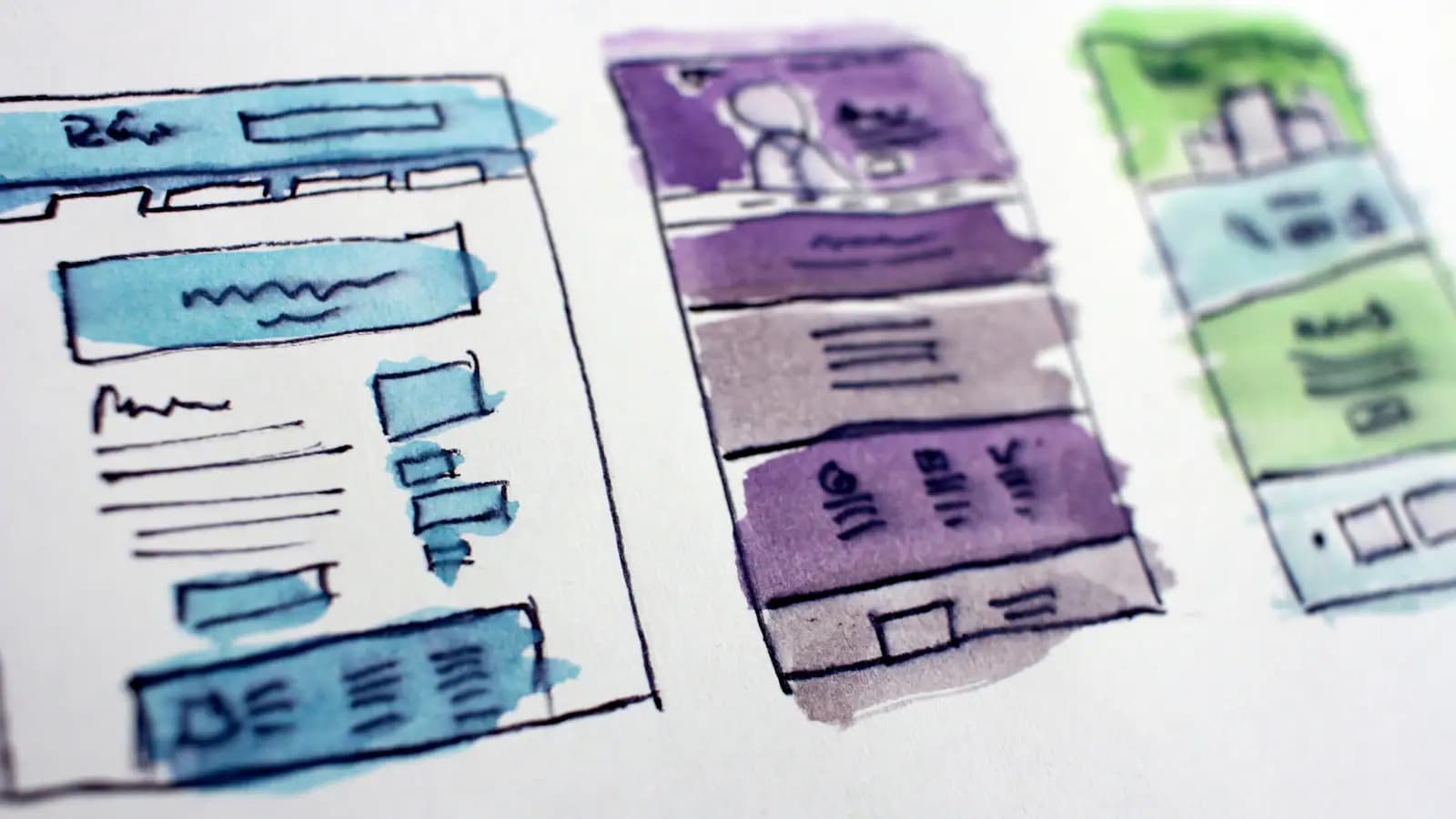
UI/UX Design Company in Saudi Arabia
A serious UI/UX company delivers a design system and buildable files, not attractive screenshots.

Software Development Cost in Saudi Arabia
Software cost follows integration count and business logic complexity, not screen count. A ten-screen system connecting to e-invoicing, inventory and payment costs…

POS System Development
A POS is judged by entry speed at peak and by whether it works offline. A purely cloud system that stops when the network drops stops sales, which no real point of…