Salesforce Implementation in Egypt: Enterprise Guide

Salesforce Implementation in Egypt: Enterprise Guide
Salesforce is powerful and flexible but priced per user per month in dollars, which makes it relatively expensive in Egypt compared with alternatives.
In short: Salesforce is powerful and flexible but priced per user per month in dollars, which makes it relatively expensive in Egypt compared with alternatives. It becomes justified for complex sales cycles or broad enterprise integration needs, not for simple customer tracking.
What is Salesforce Implementation?
Salesforce is a cloud CRM platform covering sales, service and marketing, with a large app marketplace and advanced automation and reporting. Implementing it is a configuration project rather than an installation: the value comes from tuning it to your processes.
Why Salesforce Implementation is worth the investment in Egypt
- Opportunities stop falling through: Every enquiry becomes a record with an owner and a follow-up date, instead of messages scattered across WhatsApp and email.
- Continuity when the team changes: When a salesperson leaves, their customer history and conversations stay in the system.
- More accurate sales forecasting: Deal stages and close rates give a projected number for next month rather than a personal estimate.
- Effort focused on serious buyers: Lead scoring directs a rep's time toward the people with real purchase intent.
Who needs Salesforce Implementation?
- Companies with large sales teams and complex multi-stage cycles
- Local branches of global companies bound to a group standard
- Companies needing deep integration with existing enterprise systems
Core capabilities
- Process automation: Rules and flows that execute steps automatically when a deal changes state, without manual intervention.
- Advanced reports and dashboards: Dashboards built without code covering team performance, forecasting and lead sources.
- App marketplace: Ready integrations with hundreds of tools, avoiding custom development.
- Granular permissions: Fine control over who sees which record and which field, essential in large teams.
Technologies and tools
These are the tools we actually use on Salesforce Implementation projects. Which ones apply depends on the size and budget of the project, not on what is newest:
- Salesforce
- HubSpot
- Zoho CRM
- Odoo CRM
- WhatsApp Business API
- Zapier
- REST APIs
Cost and timeline in Egypt
| Tier | Scope | Indicative cost (EGP) | Duration |
|---|---|---|---|
| Starter | Limited scope, core functionality | 70,000 - 150,000 | from 6 weeks |
| Standard | Full scope with integrations | 150,000 - 400,000 | 6-18 weeks |
| Advanced | Enterprise scope, complex integrations | 400,000+ | 18+ weeks |
These are indicative 2026 ranges for the Egypt market, not a quotation. Actual cost is set after a scoping session, and the largest driver is usually the number of external integrations rather than the number of screens.
How a Salesforce Implementation project runs
1. Mapping the real sales cycle
Documenting the stages a customer actually passes through from first contact to contract, as it happens rather than as assumed.
2. Consolidating lead sources
Connecting website forms, ads, WhatsApp and email so every enquiry lands automatically.
3. Configuring stages and fields
Defining deal stages, required fields and the rules for assigning leads to reps.
4. Migrating the customer base
Importing existing customers after de-duplication and normalising phone number formats.
5. Training and adoption tracking
Training, then monitoring how often records are updated — an out-of-date CRM is worse than none.
Best practices
- Keep required fields few: Every extra field lowers the chance the rep logs the call at all.
- Bring WhatsApp into the system: In Arabic-speaking markets most conversations happen on WhatsApp; leaving it outside empties the CRM of value.
- Connect CRM to invoicing: Knowing a customer's actual rather than expected value changes how you prioritise follow-up.
- Automate follow-up reminders: Most deals are lost to missing follow-up, not to an outright no.
- Review stalled deals weekly: A deal that has not moved a stage in a month needs a decision, not more waiting.
Common mistakes to avoid
- Using CRM as an address book: Without stages and follow-ups it becomes a list of names that does nothing for sales.
- Mandating the system without simplifying entry: If logging takes longer than the call itself, it will not be used.
- Migrating an uncleaned customer base: Duplicate numbers and missing fields make reports misleading from day one.
- Not connecting it to marketing: Without lead source you cannot measure which channel deserves the spend.
- Ignoring the reports: A system whose reports nobody reads changes no decisions.
What is specific to Egypt
The Egyptian market combines a large population with a deep developer base, which keeps delivery cost relatively lower than the Gulf at comparable technical quality. Against that, exchange rate volatility makes pricing in local currency and contracting in shorter phases safer for both sides.
- The local developer base is broad, which keeps delivery cost relatively lower but demands finer discrimination between providers given the quality spread.
- Connection quality varies by area, so systems that stop when the network drops need a local operating mode that syncs later.
- The e-invoice and e-receipt system is mandatory for registered companies and requires direct integration with the Tax Authority platform.
- VAT is 14% and needs correct handling inside any invoicing or point-of-sale system.
Frequently asked questions
Q: Is Salesforce right for mid-sized Egyptian companies?
A: Usually not on cost. Dollar-denominated per-user subscription makes it expensive compared with Zoho or Odoo, which cover similar needs for a fraction of the price.
Q: How long does implementation take?
A: Two to six months depending on complexity. Configuration, data migration and training are the bulk; custom development adds further time.
Q: What is most often wasted on Salesforce projects?
A: Licences for users who do not actually use the system, and over-customisation that complicates the interface until reps avoid it. Review genuinely active user counts quarterly.
Q: What if I am not satisfied with the design?
A: Design goes through agreed revision rounds before development. Changing a design in its own phase takes hours; changing it after development takes days, which is why we settle it early.
Q: Do you host the project or do I?
A: Either. We usually recommend cloud hosting in the client company's name, managed under the maintenance contract, so ownership stays with you and operation with us.
Q: How do you ensure system security?
A: Encryption of sensitive data, role-based permissions, regular security updates, and tested backups. Security is part of the design rather than a phase added before launch.
Conclusion
Salesforce Implementation is less a purely technical decision than an operational one: the difference between a project that lands and one that stalls usually shows up in how clearly the scope was defined before starting, not in the choice of technology. Begin by stating precisely which problem you are solving, then ask any prospective partner how they intend to measure success.
Codlex Tech is a software development company working since 2020 with clients across Saudi Arabia, Egypt and the Middle East on websites, mobile apps, e-commerce, ERP and CRM systems.
Contact: [info.codlextech@gmail.com](mailto:info.codlextech@gmail.com) — [+201223280094](tel:+201223280094) — [codlextech.com](https://www.codlextech.com)
Latest Articles

CRM Systems in Egypt: Customer Relationship Management
The most important decision in a CRM rollout in Egypt is bringing WhatsApp inside the system, because most sales conversations happen there.

CRM for Real Estate in Egypt
Property CRM has to know the inventory: which unit is reserved for whom and since when. Generic systems track a deal with a value but cannot stop the same unit…

Best CRM for Small Businesses in Egypt
Small businesses do not fail at CRM because of technology but because of complexity: a system with twenty required fields will not be used by a team of three.

CRM Integration in Egypt: Systems Integration Guide
A CRM's value multiplies once it is connected to lead sources and to invoicing: you learn where a customer came from and what they actually spent.

Best Software Companies in Saudi Arabia: A Complete Guide 2026
Choosing a software company is settled by two questions rather than a portfolio: what do I receive at handover, and who could continue the work after you? A company…

Web Development Company in Saudi Arabia: How to Choose the Best
A web development company is judged by what it hands over after launch: source code, deployment documentation, and whether another developer could continue the work.

Mobile App Development Company in Saudi Arabia
An app development company is judged by what happens after launch, not by the launch: who publishes updates, who owns the store accounts, who handles crashes.
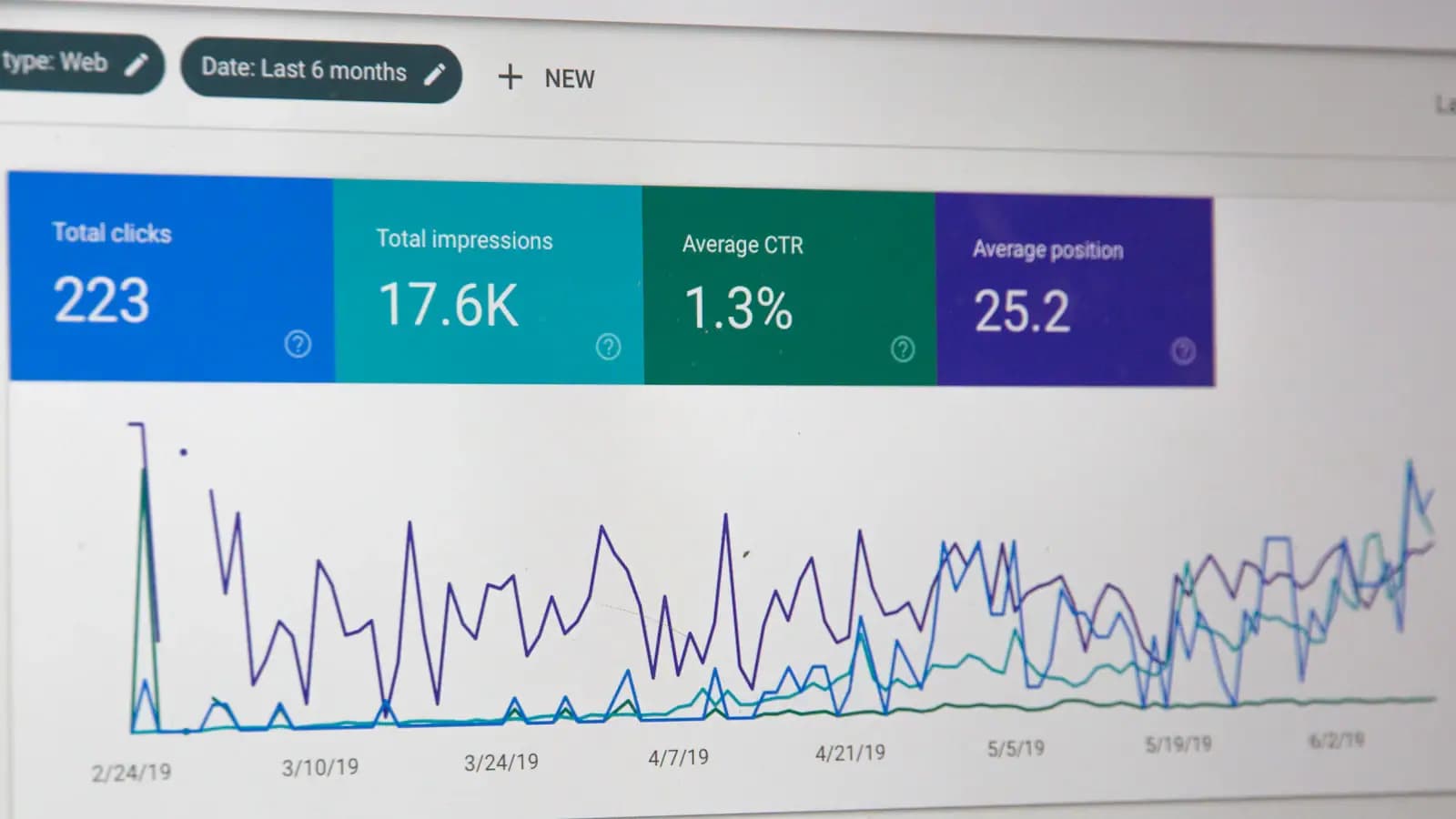
SEO Company in Saudi Arabia: Boost Your Online Presence
A serious SEO company starts with a technical audit and a current-state report before promising any ranking.

Digital Marketing Company in Saudi Arabia
A serious digital marketing agency installs measurement before spending anything. An agency that starts campaigns and reports clicks and impressions without tying…

E-Commerce Development Saudi
An online store in Saudi Arabia has three non-negotiable requirements: Mada support, e-invoicing compliant with the Fatoora system, and full Arabic RTL.
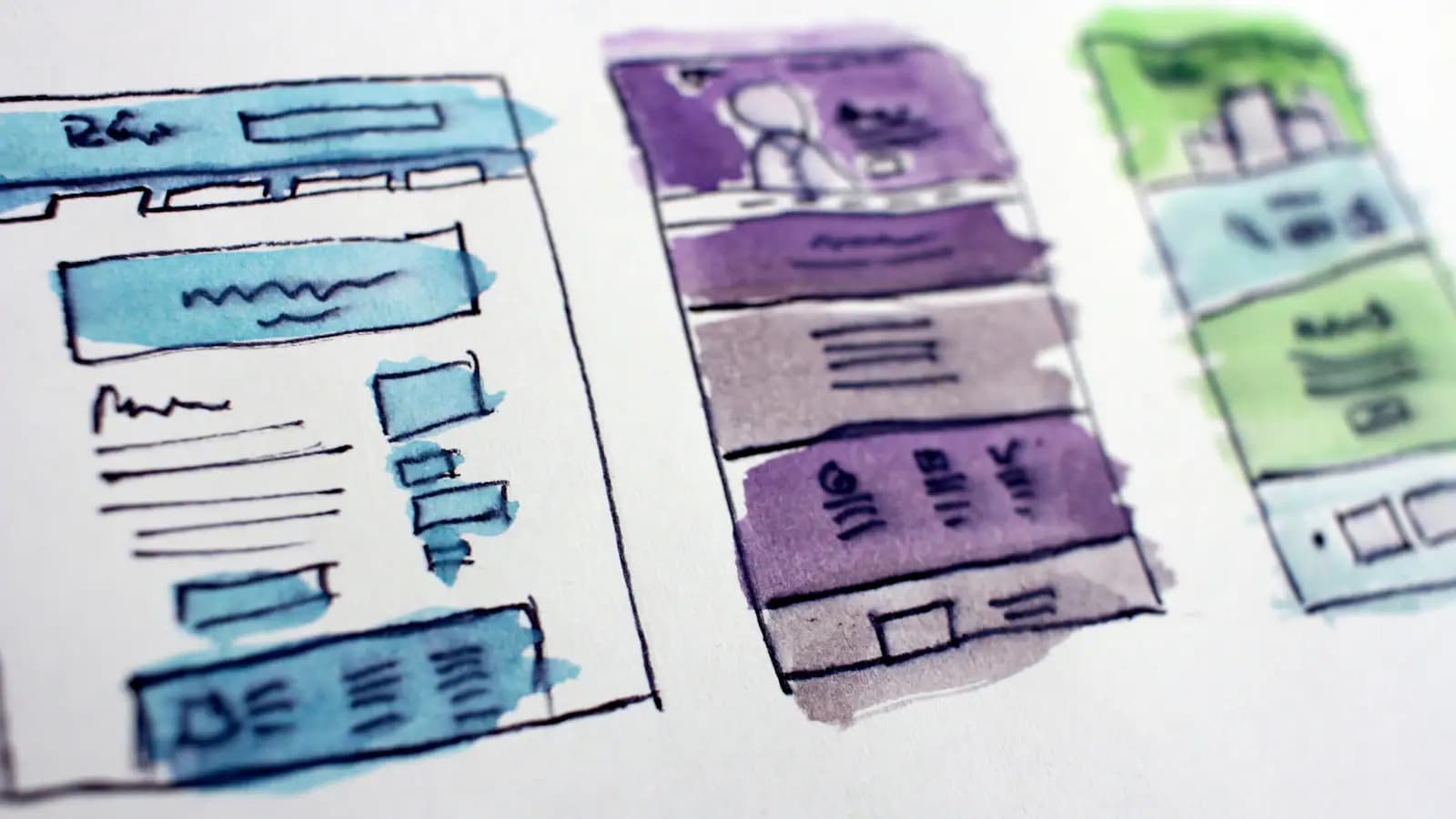
UI/UX Design Company in Saudi Arabia
A serious UI/UX company delivers a design system and buildable files, not attractive screenshots.

Software Development Cost in Saudi Arabia
Software cost follows integration count and business logic complexity, not screen count. A ten-screen system connecting to e-invoicing, inventory and payment costs…