Cloud ERP in Egypt: The Future

Cloud ERP in Egypt: The Future
Cloud ERP removes server cost and maintenance and makes the system reachable from any branch, in exchange for a fixed monthly subscription instead of upfront…
In short: Cloud ERP removes server cost and maintenance and makes the system reachable from any branch, in exchange for a fixed monthly subscription instead of upfront investment. The decisive factor in Egypt is not technical but connection quality at your sites and any data residency requirements.
What is Cloud ERP?
It is the same ERP hosted on cloud infrastructure rather than a server inside the company. The difference is not functionality but the cost and responsibility model: the provider handles servers, backups and updates.
Why Cloud ERP is worth the investment in Egypt
- One source of truth: The argument between the sales report and the warehouse report ends, because both read the same record.
- Faster monthly close: Companies moving from separate spreadsheets to ERP typically cut the accounting close from weeks to days.
- Control over purchasing and stock: Reorder points and electronic approvals prevent both over-ordering and sudden stockouts.
- Audit and compliance readiness: Every movement carries a logged trail with a user and a timestamp, which is what auditors and tax authorities ask for.
Who needs Cloud ERP?
- Companies with multiple branches needing unified access
- Companies without an internal IT team to maintain servers
- Growing companies that prefer monthly operating cost to upfront investment
Core capabilities
- No on-premise servers: Removing the cost of buying a server, cooling the room, maintaining it and replacing it every few years.
- Access from any branch: The same system available from every location without a complex private network between them.
- Managed backups and updates: The provider handles backups and upgrades instead of these being an internal responsibility that usually gets neglected.
- Elastic scaling: Adding users or resources as you grow without buying hardware.
Technologies and tools
These are the tools we actually use on Cloud ERP projects. Which ones apply depends on the size and budget of the project, not on what is newest:
- Odoo
- ERPNext
- Microsoft Dynamics
- SAP Business One
- PostgreSQL
- REST APIs
- Power BI
Cost and timeline in Egypt
| Tier | Scope | Indicative cost (EGP) | Duration |
|---|---|---|---|
| Starter | Limited scope, core functionality | 120,000 - 280,000 | from 12 weeks |
| Standard | Full scope with integrations | 280,000 - 800,000 | 12-32 weeks |
| Advanced | Enterprise scope, complex integrations | 800,000+ | 32+ weeks |
These are indicative 2026 ranges for the Egypt market, not a quotation. Actual cost is set after a scoping session, and the largest driver is usually the number of external integrations rather than the number of screens.
How a Cloud ERP project runs
1. Process study and gap analysis
Comparing current operations against what the system provides, and deciding what changes in the system versus what changes in the process.
2. Chart of accounts and master data
Accounts, items, suppliers and customers; the quality of this stage determines the quality of every later report.
3. Configuration and customisation
Setting approval cycles, permissions and print templates, and building what the system does not cover as standard.
4. Balance migration and pilot run
Migrating reconciled opening balances, then running a full month in parallel with the old system.
5. Training and cutover
Training each role on its own screens, then switching at the start of an accounting period to simplify reconciliation.
Best practices
- Clean data before migration, not after: Duplicate items and suppliers under varying names only multiply their problems inside the new system.
- Start with finance and inventory: They underpin every other module; launching HR first leaves the system without visible value.
- Minimise customisation: Every code change becomes a burden at every system upgrade.
- Set permissions precisely: Who can change a price or reverse an entry must be defined and logged.
- Appoint an internal system owner: Someone in the company who understands the system and is the first line for questions, instead of going back to the vendor each time.
Common mistakes to avoid
- Buying modules that will not be used: Paying for manufacturing or project modules the company does not need adds cost and complexity for nothing.
- A big-bang cutover: Switching off the old system abruptly with no parallel run leaves the company without a safety net.
- Training users months before launch: Early training is forgotten; it should sit close to the actual cutover.
- Neglecting approval workflows: A system without electronic approvals pushes the company back to paper and wet signatures.
- Expecting immediate results: The real benefit appears after one or two accounting cycles of steady operation.
What is specific to Egypt
The Egyptian market combines a large population with a deep developer base, which keeps delivery cost relatively lower than the Gulf at comparable technical quality. Against that, exchange rate volatility makes pricing in local currency and contracting in shorter phases safer for both sides.
- VAT is 14% and needs correct handling inside any invoicing or point-of-sale system.
- Local payment gateways such as Fawry, Paymob and Meeza reach a wide segment that international bank cards do not.
- Cash on delivery remains the most used option in e-commerce and must be supported with clear cash handling in the system.
- Addressing is irregular in many areas, so relying on coordinates and nearby landmarks matters more than the text address field in any delivery system.
Frequently asked questions
Q: What happens when the internet goes down?
A: A cloud system stops working at that site. That is why a backup connection is advisable at critical locations, and why point of sale should run locally and sync later if sales cannot tolerate an outage.
Q: Is my data safe in the cloud?
A: In practice usually safer than a server in an office: data centres provide encryption, backups and physical security that are hard to match internally. What matters is who holds access and how it is managed.
Q: Which is cheaper long term?
A: Cloud is cheaper in the early years and at mid-scale. On-premise can become cheaper at very large, stable scale, but it transfers maintenance and security responsibility entirely to you.
Q: How do you handle our existing data?
A: We start by assessing its quality and cleaning it before migration. Messy data migrated as-is produces reports nobody trusts in the new system.
Q: Do you provide team training?
A: Yes — role-based training close to launch rather than months before, with a short usage guide for each screen the team actually uses.
Q: How long is a maintenance contract and what does it include?
A: Monthly or annual contracts covering security updates, backups, fault resolution and a defined number of hours for small changes.
Conclusion
Cloud ERP is less a purely technical decision than an operational one: the difference between a project that lands and one that stalls usually shows up in how clearly the scope was defined before starting, not in the choice of technology. Begin by stating precisely which problem you are solving, then ask any prospective partner how they intend to measure success.
Codlex Tech is a software development company working since 2020 with clients across Saudi Arabia, Egypt and the Middle East on websites, mobile apps, e-commerce, ERP and CRM systems.
Contact: [info.codlextech@gmail.com](mailto:info.codlextech@gmail.com) — [+201223280094](tel:+201223280094) — [codlextech.com](https://www.codlextech.com)
Latest Articles

ERP Systems in Egypt: Choosing the Right System
Choosing an ERP in Egypt starts from one non-negotiable requirement: integration with the Tax Authority's e-invoicing system.

Odoo ERP in Egypt: The Open Source Solution
Odoo is open source and split into apps you enable as needed, which makes it the most widely adopted choice among mid-sized Egyptian companies.
ERP for Manufacturing in Egypt: Production Management
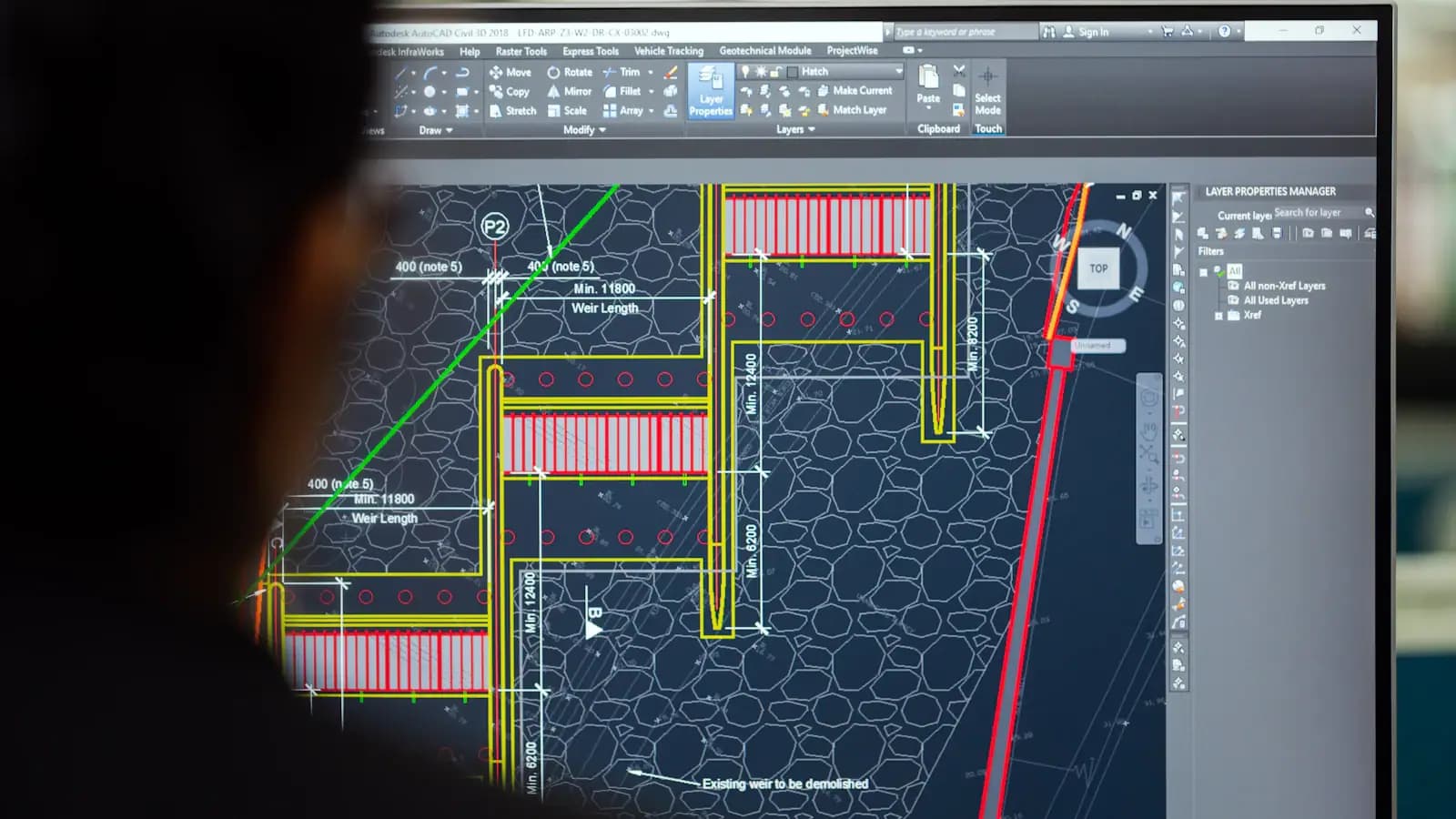
Manufacturing ERP adds three things to a standard system: the bill of materials, work orders, and actual product costing.

ERP Implementation Guide in Egypt: Success Steps
More than half of stalled ERP projects fail for non-technical reasons: unclean master data, no project owner, or attempting a single cutover.

Best Software Companies in Saudi Arabia: A Complete Guide 2026
Choosing a software company is settled by two questions rather than a portfolio: what do I receive at handover, and who could continue the work after you? A company…
Web Development Company in Saudi Arabia: How to Choose the Best
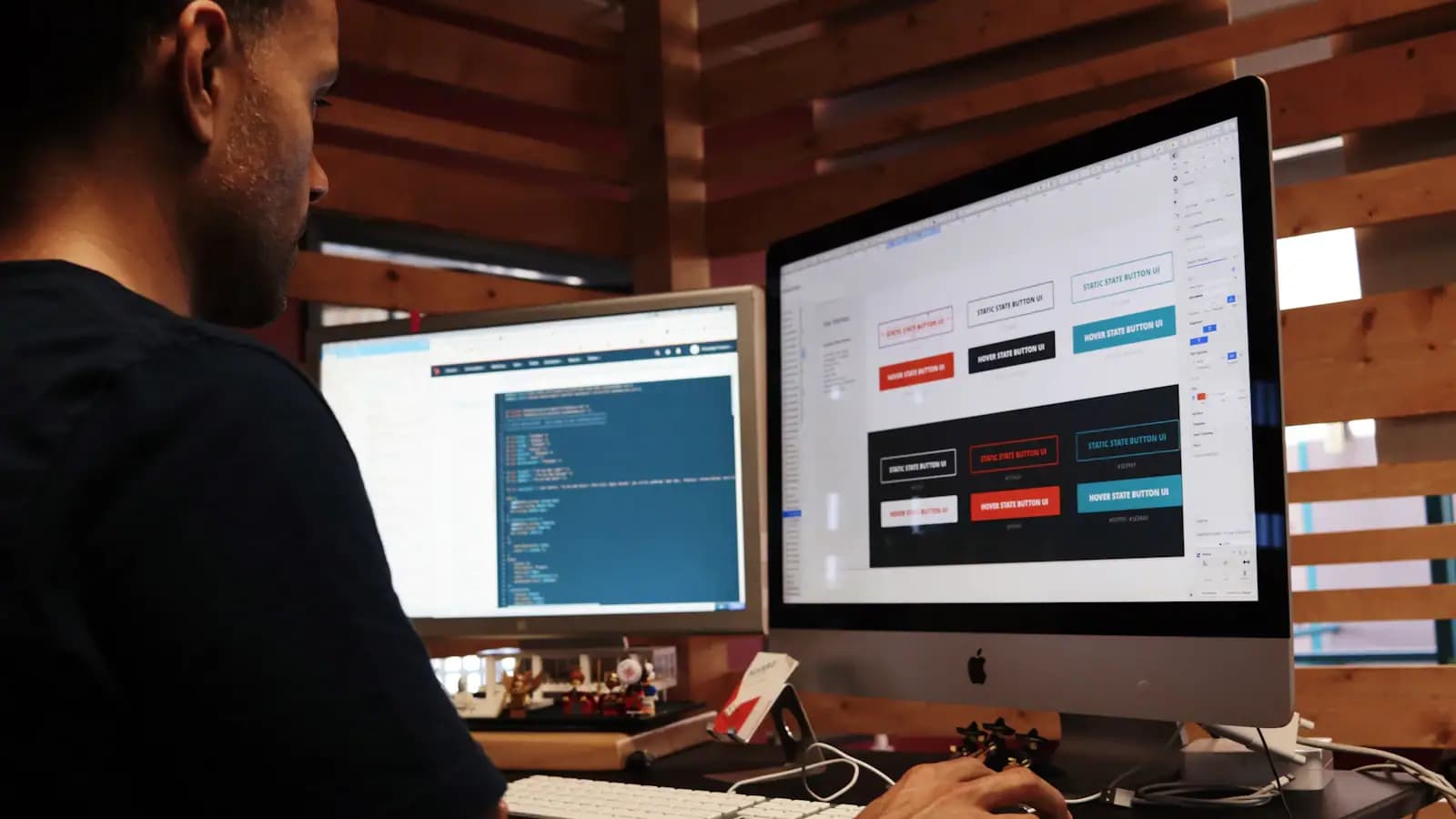
A web development company is judged by what it hands over after launch: source code, deployment documentation, and whether another developer could continue the work.

Mobile App Development Company in Saudi Arabia
An app development company is judged by what happens after launch, not by the launch: who publishes updates, who owns the store accounts, who handles crashes.
SEO Company in Saudi Arabia: Boost Your Online Presence
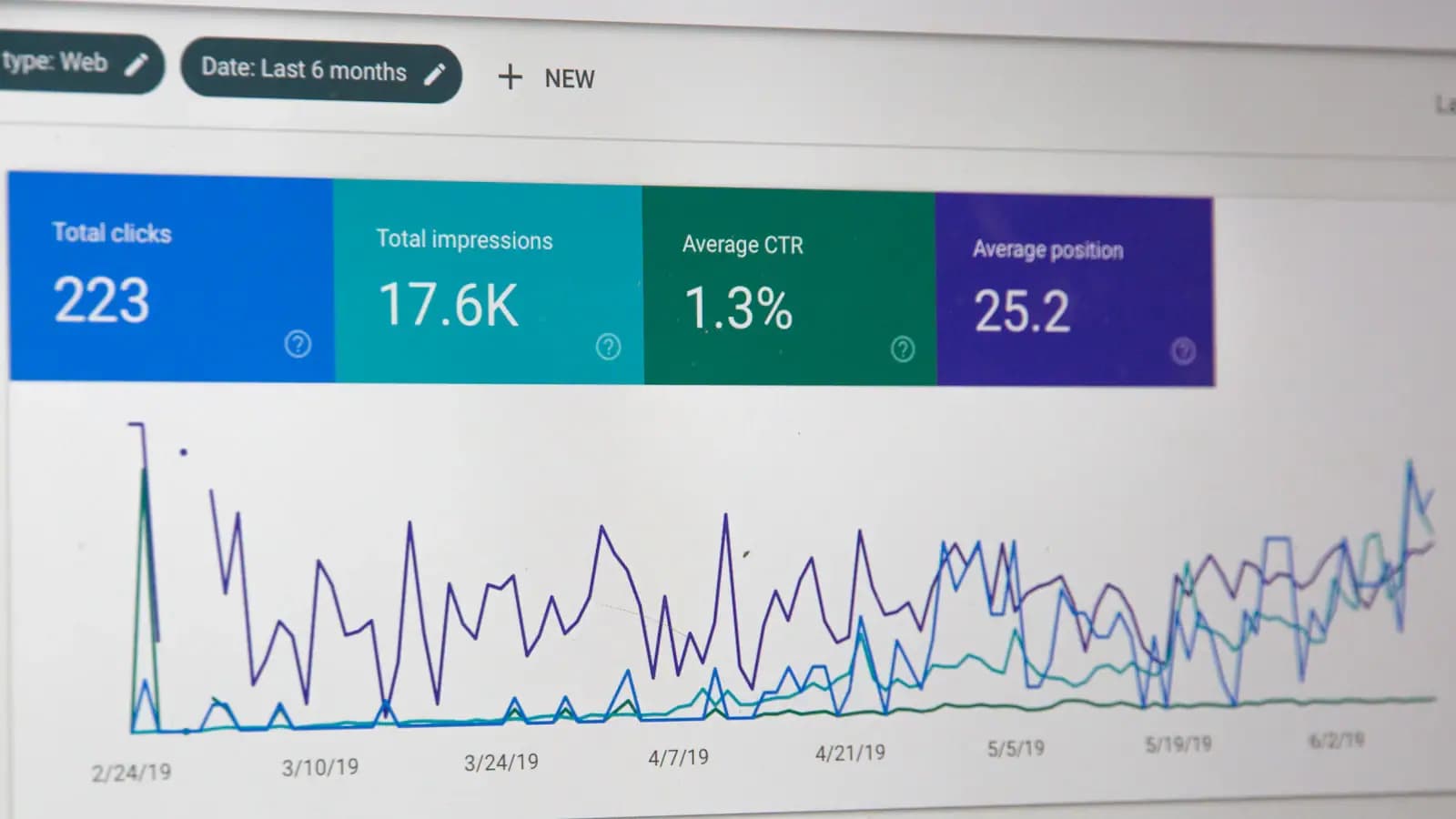
A serious SEO company starts with a technical audit and a current-state report before promising any ranking.

Digital Marketing Company in Saudi Arabia
A serious digital marketing agency installs measurement before spending anything. An agency that starts campaigns and reports clicks and impressions without tying…

E-Commerce Development Saudi
An online store in Saudi Arabia has three non-negotiable requirements: Mada support, e-invoicing compliant with the Fatoora system, and full Arabic RTL.
UI/UX Design Company in Saudi Arabia
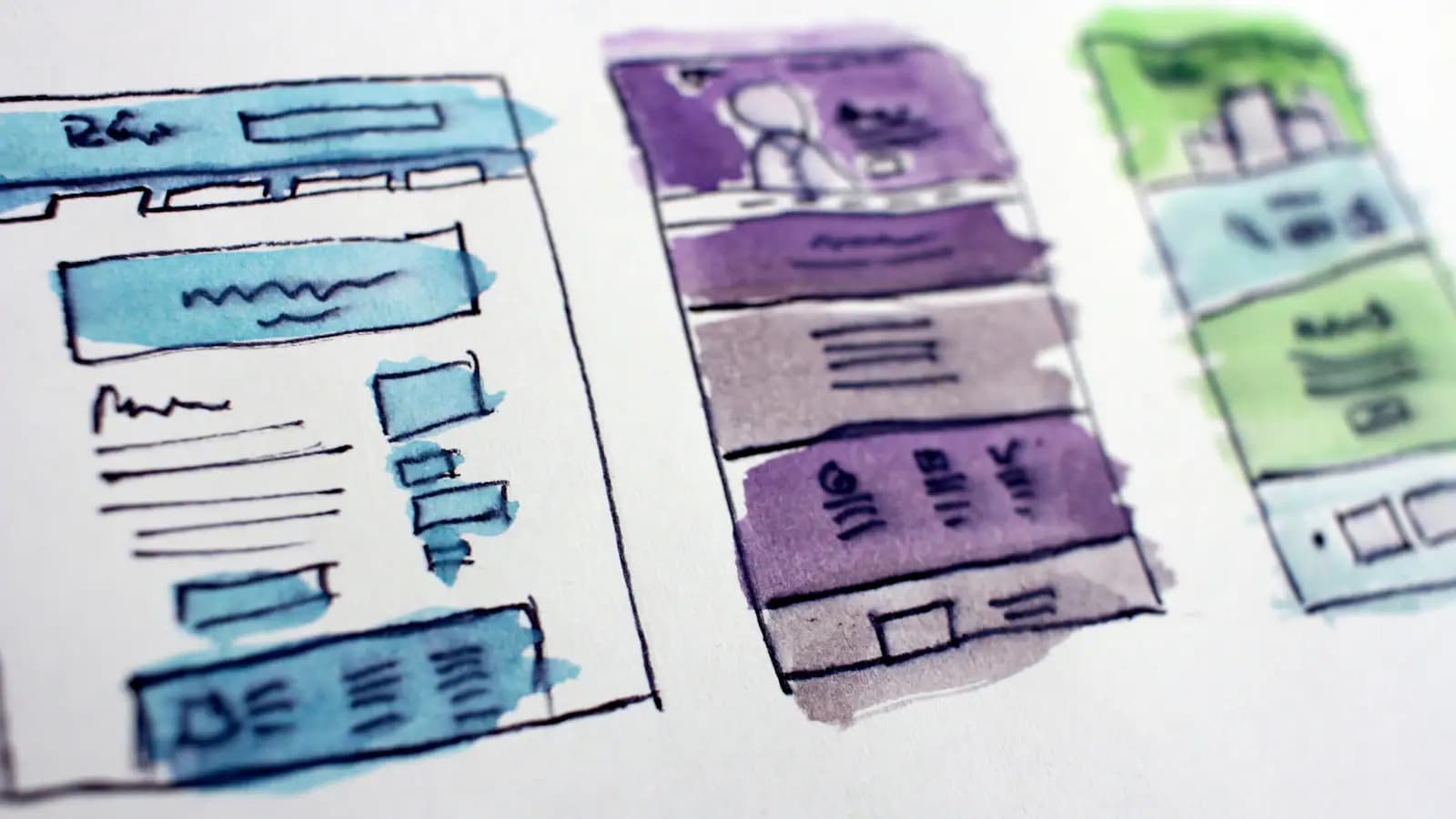
A serious UI/UX company delivers a design system and buildable files, not attractive screenshots.

Software Development Cost in Saudi Arabia
Software cost follows integration count and business logic complexity, not screen count. A ten-screen system connecting to e-invoicing, inventory and payment costs…